
A practical guide for Doncaster SMEs on using container storage to free up workspace, stay organised and delay the disruption and cost of relocating. Includes unit size advice, security and access considerations, and a move-in checklist.
How To Protect Furniture During A Home Renovation

I hope you enjoy reading this blog post. If you'd like to learn more about our storage solutions click here.
Author: Harry Merrett | Director of Blue Box Storage Doncaster
Published:
June 19, 2026
Home renovations are exciting. New kitchens, larger living spaces, loft conversions and home extensions can dramatically improve how a property looks and functions. The problem is that most homeowners focus heavily on the finished result and underestimate the disruption that happens during the building process itself.
Dust, debris, moisture, accidental knocks and constant foot traffic can quickly damage furniture and possessions that have taken years to acquire. A dining table that looked perfect before work started can emerge scratched, stained or covered in fine construction dust. Sofas can absorb dust and odours. Appliances can be damaged by moisture and building materials. Even sentimental possessions can become casualties of a busy building site.
Furniture storage during renovation projects is often one of the most overlooked parts of renovation planning. Yet taking time to protect your belongings before work begins can save significant money, stress and frustration later.
This guide explains everything homeowners need to know about storing furniture during renovation work, protecting valuable belongings, avoiding common mistakes and deciding where to store furniture during renovation projects of all sizes.
Table of Contents
Why Renovations Put Furniture At Risk
Most people understand that renovations create mess, but many underestimate just how far that mess can travel throughout a property.
Builders may only be working in one room, but dust rarely stays confined to a single area. Air movement, foot traffic and opening doors can spread fine particles throughout an entire home. During larger projects such as extensions or loft conversions, the entire property can effectively become part of the construction zone.
Furniture is particularly vulnerable because many materials naturally attract and retain dust. Upholstered furniture, curtains, rugs and mattresses can absorb microscopic particles that are difficult to remove completely.
Renovations also create practical challenges. Furniture often needs moving multiple times during a project. Every move increases the chance of scratches, dents and accidental damage.
Even careful contractors carrying tools, timber, plasterboard and building materials through a home can unintentionally damage furniture positioned nearby.
Many homeowners discover too late that the cheapest and easiest solution would have been removing items from the work area before construction began. Many homeowners don't consider furniture storage during renovation until the first room is stripped back and they realise how little usable space remains.

The Main Threats To Furniture During Building Work
Understanding the risks makes it much easier to develop an effective furniture protection strategy.
Several hazards appear during almost every renovation project, regardless of size.
Dust And Airborne Particles
Construction dust is the most common issue homeowners encounter.
Activities such as sanding, plastering, cutting timber, removing walls and drilling into masonry release huge quantities of fine particles into the air.
Unlike ordinary household dust, construction dust is often abrasive. It can settle inside drawers, cupboards, electronics, fabrics and delicate finishes.
Once embedded into upholstery or carpets, removal can be difficult and expensive.
Moisture And Humidity
Building work frequently introduces moisture into a property.
Fresh plaster, concrete, screeds and paint all release moisture while drying. Extensions and structural alterations can also expose parts of a property to weather conditions during construction.
Wooden furniture is particularly vulnerable to fluctuating humidity levels. Timber can warp, swell or crack if exposed to excessive moisture for prolonged periods.
Accidental Impact Damage
Builders carry materials, tools and equipment through homes every day.
Even the most careful tradespeople can accidentally catch furniture with ladders, timber lengths, plasterboard sheets or power tools.
Corners, table edges, cabinets and decorative surfaces are particularly susceptible to knocks and scratches.
Paint And Chemical Exposure
Paint, adhesives, sealants and construction chemicals are commonly used during renovations.
Splashes and overspray can permanently stain fabrics, timber and decorative finishes.
Strong chemical odours can also linger in soft furnishings long after the work has been completed.
Theft Or Loss
Large renovation projects often involve multiple contractors entering and leaving the property over several months.
While incidents are uncommon, expensive electronics, jewellery and valuable possessions can be more vulnerable during periods of frequent access.
This is one reason many homeowners choose temporary storage during renovation projects involving substantial structural work.
How Dust Damages Furniture And Soft Furnishings
Dust is often viewed as a nuisance rather than a genuine threat. In reality, construction dust can cause significant damage if left unchecked.
The particles generated during building work are far finer than normal household dust. They can penetrate deep into fabrics, settle inside mechanical components and work their way into areas that are difficult to clean.
Sofas, armchairs and mattresses are particularly susceptible. Dust particles become trapped within fibres and cushioning materials, where ordinary vacuum cleaners may struggle to remove them completely.
Wooden furniture faces different challenges. Fine dust particles can act like sandpaper when wiped incorrectly across polished surfaces. Many homeowners accidentally create scratches while attempting to clean furniture after renovations.
Electronic devices are another concern. Dust can clog cooling vents, settle on circuit boards and reduce the lifespan of appliances and equipment.
Protecting furniture from dust requires more than simply throwing a dust sheet over the top. Effective protection often involves sealing items properly or removing them from the work area entirely.

Protecting Furniture During A Kitchen Renovation
Kitchen renovations are among the most disruptive home improvement projects. They combine demolition work, electrical installations, plumbing alterations, plastering, decorating and appliance installation within a relatively small space.
The amount of dust and disruption generated can be surprising.
Furniture located in adjoining rooms is often affected, particularly in modern open-plan homes.
Before work begins, remove as many movable items as possible from adjacent areas. Dining chairs, side tables, rugs and decorative items should ideally be relocated elsewhere.
Large furniture that cannot be moved should be wrapped using breathable protective covers rather than thin plastic sheets alone. Plastic can trap moisture underneath, particularly if plastering work is involved.
Kitchen appliances awaiting reinstallation should be thoroughly cleaned and stored in a dry environment. Manufacturers generally recommend keeping appliances upright where possible, particularly refrigerators and freezers.
Families remaining in the property during renovations often underestimate how much temporary space they will need. Creating clear pathways and reducing clutter helps both homeowners and contractors work more safely and efficiently.
Many people undertaking kitchen renovations use short-term furniture storage during renovation periods to free up valuable living space while work progresses.
Protecting Furniture During An Extension Project
Extensions present a unique challenge because they frequently involve both internal and external building work.
Walls may be removed, new openings created and parts of the property temporarily exposed to weather conditions. Even well-managed projects can result in dust and debris travelling throughout the home.
Furniture located near connection points between the existing house and new extension requires particular attention.
During structural work, vibrations can also affect delicate items such as mirrors, artwork, glass cabinets and antiques.
Effective furniture storage during renovation projects helps protect valuable belongings while giving contractors more room to work safely and efficiently.
Before construction begins, conduct a room-by-room assessment.
Ask yourself:
Which items are valuable?
Which items are difficult to replace?
Which items are particularly vulnerable to dust, moisture or impact damage?
Answering these questions helps prioritise protection measures.
Furniture positioned close to work zones should ideally be removed altogether. The cost of temporary storage is often far lower than replacing damaged furniture or paying for professional restoration.
During longer extension projects lasting several months, many homeowners find that home renovation storage solutions provide both practical protection and additional living space.
Reducing the amount of furniture within the house also makes cleaning easier throughout the project.
Protecting Furniture During A Loft Conversion
Loft conversions can appear less disruptive than extensions because most work takes place above the main living areas.
In practice, however, loft projects often generate significant amounts of dust and disturbance throughout the entire property.
Creating stair access usually requires substantial structural alterations. Contractors frequently need access through hallways, landings and upper-floor rooms.
This means furniture located well away from the loft itself can still be affected.
Bedrooms often require special consideration during loft conversions. Mattresses, wardrobes, bedside cabinets and soft furnishings can quickly accumulate dust if left exposed.
Wardrobes should be emptied where possible. Clothing absorbs dust remarkably easily and can require extensive cleaning afterwards.
If wardrobes cannot be moved, contents should be removed and stored separately in sealed containers.
Loft conversions also tend to last longer than many homeowners initially expect. Delays caused by weather, materials and inspections are not uncommon.
Planning furniture storage during renovation work from the outset helps avoid repeated moving and repacking as timelines change.
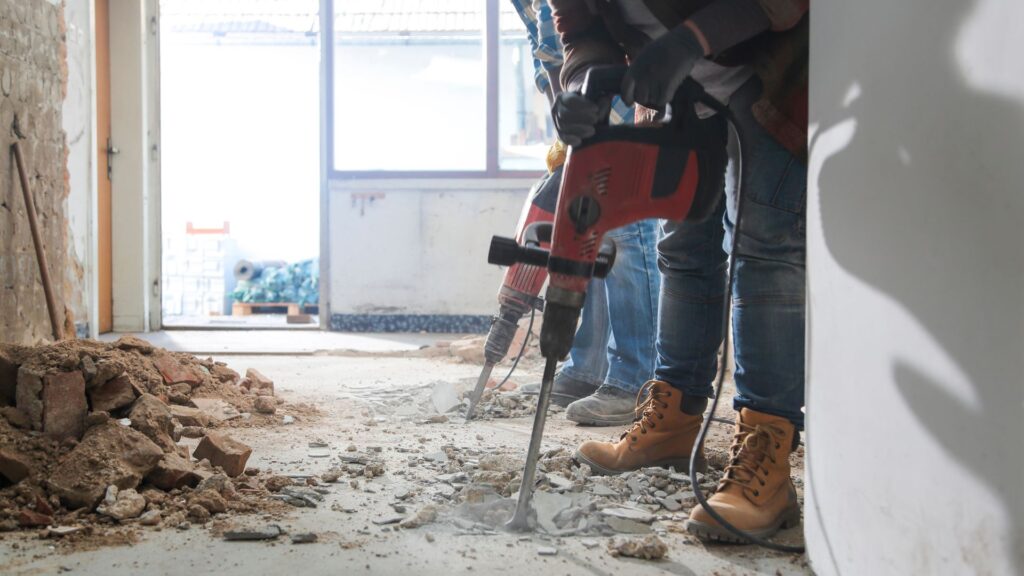
Should You Move Furniture To Another Room Or Into Storage?
One of the most common questions homeowners ask is whether furniture can simply be moved elsewhere in the property.
The answer depends largely on the scale of the renovation.
For small decorating projects affecting a single room, relocating furniture to another area of the house may be perfectly adequate.
For larger projects involving structural work, extensions or multiple rooms, moving furniture from room to room often becomes impractical.
Every additional move increases the risk of damage. Rooms quickly become overcrowded, making daily life more difficult and creating challenges for contractors.
For homeowners living in the property during building work, furniture storage during renovation can make day-to-day life considerably more manageable.
A useful rule is to assess how much of the property will remain unaffected.
If more than half of the home is involved in the renovation, external storage solutions become increasingly attractive.
Storage during home renovation projects provides several benefits:
- More working space for contractors.
- Reduced risk of accidental damage.
- Cleaner living areas.
- Less stress for homeowners.
- Easier access throughout the property.
- Greater protection for valuable possessions.
The right choice ultimately depends on project duration, available space and the value of the items being protected.
For larger renovations, many homeowners choose dedicated furniture storage solutions.
This allows furniture to remain protected until work has been fully completed and cleaning has taken place.
How To Prepare For Furniture Storage During Renovation
Moving furniture into storage during a renovation is often the safest option, but simply transporting items from your home into a storage unit without preparation can create problems of its own.
Taking a little extra time before furniture enters storage helps prevent damage, makes moving easier and ensures everything is ready to use when it returns home.
The first step is to thoroughly clean every item. Dust, food residue and moisture can all cause issues when furniture remains stored for several weeks or months. Crumbs left inside sofas can attract pests, while moisture trapped in fabrics can encourage mould growth.
Wooden furniture should be wiped down using appropriate cleaning products before being allowed to dry completely. Upholstered items should be vacuumed carefully, paying particular attention to crevices and seams.
Where practical, disassemble larger furniture pieces. Dining tables, bed frames and shelving units are often safer to store when taken apart. This reduces the amount of space required and lowers the risk of damage during transport.
Protective wrapping should then be applied. Breathable furniture covers are generally preferable to wrapping everything tightly in plastic. While plastic can provide protection during transport, long-term use can trap moisture and create condensation problems.
If you're planning to store furniture for several months, our guide to storing furniture long term provides additional advice.
Labelling furniture components, screws and fittings is another simple step that saves considerable frustration later. Many homeowners discover months after a renovation that they cannot remember which bolts belong to which piece of furniture.
Furniture Storage During Renovation: Best Practice Checklist
Furniture storage during renovation projects works best when a structured approach is followed.
Before placing anything into storage:
• Clean all furniture thoroughly
• Allow everything to dry completely
• Remove batteries from electronics
• Empty drawers and cupboards where practical
• Disassemble larger items
• Use protective covers
• Label components clearly
• Photograph valuable items
• Create an inventory
• Leave access space around stored items
These simple measures can dramatically reduce the likelihood of damage or inconvenience later.
How To Protect Valuable Or Sentimental Items
Most homeowners are primarily concerned about large furniture items during renovations. In reality, some of the most vulnerable possessions are often the smallest.
Family photographs, heirlooms, jewellery, children's artwork, important documents and inherited furniture frequently hold far more emotional value than their financial worth.
Replacing a damaged dining chair may be frustrating. Replacing irreplaceable family keepsakes is impossible.
Before work begins, identify any items that would cause genuine distress if damaged.
Good furniture storage during renovation planning should form part of the overall renovation schedule rather than being treated as an afterthought.
Photographs and paperwork should be stored in sealed waterproof containers. Digital copies of important documents provide additional protection.
Artwork should be removed from walls well before demolition or structural work starts. Vibrations from drilling and construction activity can damage frames and canvases even if dust never reaches them.
Antiques deserve particular attention. Older furniture often reacts differently to changes in temperature and humidity compared to modern manufactured items.
For especially valuable items, specialist storage may be worth considering.
The key principle is simple. If an item cannot easily be replaced, it should receive additional protection.
Furniture Storage Solutions Compared
There is no single renovation storage solution that suits every project. The right approach depends on budget, available space, project duration and the type of items being stored.
Many homeowners initially assume they can simply move everything into spare rooms. Sometimes this works. In other cases, it creates more problems than it solves. Secure furniture storage during renovation can help homeowners avoid repeatedly moving furniture from room to room throughout the project.
The comparison below highlights the advantages and disadvantages of the most common storage options.
| Storage Option | Advantages | Disadvantages | Best For |
|---|---|---|---|
| Keep Furniture In The Room | No moving required, no storage costs | High risk of dust, damage and disruption | Minor decorating work |
| Move Furniture Elsewhere In The House | Free, convenient access | Rooms become overcrowded, multiple moves required | Single-room renovations |
| Garage Storage | Convenient and often free | Can suffer from damp, condensation and temperature fluctuations | Short-term storage of durable items |
| Shed Storage | Easy access at home | Vulnerable to moisture, pests and security concerns | Garden furniture and lower-value items |
| Self Storage | Secure, protected, frees up living space | Additional cost | Major renovations, extensions and refurbishments |
The most suitable solution often changes as renovation projects grow in scope.
A spare bedroom may be perfectly adequate during a bathroom refurbishment. A whole-house renovation may require a completely different approach. Investing in proper furniture storage during renovation arrangements can significantly reduce the risk of accidental damage.
Using A Garage For Furniture Storage During Renovations
Garages are frequently the first storage option homeowners consider.
They offer convenience and immediate accessibility, but garages are not always suitable for furniture storage.
Many garages experience substantial fluctuations in temperature and humidity throughout the year. Condensation can develop on cold surfaces during winter months, creating a risk for wooden furniture, fabrics and electronics.
Garages also tend to become temporary dumping grounds during renovations. Tools, materials and furniture quickly compete for the same space.
If using a garage, elevate furniture off the floor where possible and ensure adequate airflow around stored items.
Using A Shed For Furniture Storage During Renovations
Garden sheds can work for certain belongings but are rarely ideal for valuable furniture.
Most sheds provide limited protection against changing weather conditions. Even well-maintained structures can experience dampness, temperature swings and pest activity.
Garden equipment, outdoor furniture and durable household items may cope perfectly well in a shed environment.
Sofas, mattresses, antique furniture and sentimental possessions generally require more protection.
Many homeowners underestimate how quickly moisture can affect furniture left in outbuildings for several months.
Why Self Storage Becomes Popular During Larger Renovations
As renovation projects increase in size, the practical benefits of dedicated storage become more obvious.
Contractors gain better access to working areas. Homeowners enjoy less clutter. Valuable possessions remain protected from dust, debris and accidental damage.
Storage units are particularly useful during:
• House extensions
• Loft conversions
• Kitchen remodels
• Whole-property refurbishments
• Structural alterations
• Home moves combined with renovation work
Many people undertaking major home improvements find that temporary furniture storage during renovation projects makes the entire process significantly easier to manage.
Container-based storage solutions can also provide flexibility for larger furniture items and household contents.
Common Mistakes Homeowners Make During Renovations
After years of helping customers store furniture and household belongings, certain mistakes appear repeatedly.
Most are entirely avoidable with a little forward planning.
Leaving Decisions Too Late
One of the biggest mistakes is waiting until builders arrive before deciding where furniture will go.
Last-minute decisions often lead to rushed packing, inadequate protection and unnecessary stress.
Ideally, storage plans should be finalised several weeks before work begins.
Underestimating Dust
Many homeowners assume dust sheets alone will solve the problem.
Construction dust can find its way through surprisingly small gaps and often settles in areas that appear well protected.
Furniture left inside active work zones remains vulnerable regardless of how carefully it is covered.
Forgetting About Access
Another common mistake is packing storage units too tightly.
Items needed during the renovation should remain accessible. Seasonal clothing, important documents and household essentials should not end up trapped behind a wall of furniture.
Our guide on how to pack a storage unit explains how to maximise protection while maintaining access.
Storing Damp Items
Furniture should never enter storage while damp.
Freshly cleaned upholstery, recently washed rugs or furniture exposed to rain during transport should be completely dry first.
Moisture is one of the leading causes of storage-related damage.
For homeowners concerned about container environments, our guide on preventing condensation offers useful advice.
Bringing Furniture Back Too Early
The temptation to move furniture back immediately after builders leave is understandable.
However, dust often continues settling for days or even weeks after work has finished. Decorating, snagging and final cleaning can also continue long after the main construction phase ends.
Waiting until the property has been thoroughly cleaned often prevents unnecessary re-cleaning later.
Successful furniture storage during renovation starts with cleaning, protecting and carefully packing furniture before it leaves the home.
How Long Should Furniture Stay In Storage During A Renovation?
This is one of the most common questions homeowners ask.
The short answer is that furniture should remain in storage until all major work, decorating and cleaning have been completed.
Returning furniture too early often creates unnecessary risk.
A kitchen renovation initially scheduled for three weeks may ultimately take six. An extension expected to finish in four months may require additional time for decorating and snagging.
Building projects frequently encounter delays caused by weather, material shortages and scheduling changes.
For this reason, flexible storage arrangements tend to work best.
Many homeowners choose storage agreements that allow extensions without needing to commit to fixed end dates.
If you're unsure how long your belongings can remain safely stored, our guide explains more.
The safest approach is to treat projected renovation timescales as estimates rather than guarantees.
Renovation Storage For Homeowners Living Elsewhere
Some homeowners remain in their property throughout renovations. Others temporarily relocate while work is carried out.
Moving out can speed up construction and reduce stress, particularly during major projects affecting kitchens, bathrooms or structural elements.
In these situations, storage often plays a dual role.
It protects furniture from renovation work while also reducing the amount of furniture that needs to be moved into temporary accommodation.
This approach is especially common during major refurbishments and house moves that overlap with renovation projects.
Additional guidance can be found in our moving house storage guide.
Quick Summary: The Best Way To Protect Furniture During A Renovation
Homeowners looking for a simple answer often ask what the safest approach is.
The most effective way to protect furniture during renovations is to remove as much as possible from the work area before building work begins. Furniture should be cleaned, wrapped appropriately and stored in a dry, secure environment until construction, decorating and final cleaning have been completed.
For small decorating projects, moving furniture into another room may be sufficient. For larger renovations, extensions, loft conversions and full refurbishments, dedicated storage often provides the best balance of protection, convenience and peace of mind.
The demand for furniture storage during renovation has increased as more homeowners choose to improve their existing property rather than move house.
Furniture Storage During Renovation: What Most Professionals Recommend
Builders, decorators, property developers and renovation specialists generally agree on one point. The less furniture that remains inside an active construction area, the lower the risk of damage.
While dust sheets, plastic coverings and temporary barriers all help, they cannot eliminate every risk associated with building work.
Furniture storage during renovation projects is often viewed as an additional expense. In reality, many homeowners discover it prevents costly repairs, replacement purchases and unnecessary stress.
A single damaged sofa, scratched dining table or stained mattress can easily cost more than several months of storage.
The practical benefits are equally important. Contractors can work more efficiently when rooms are clear. Homeowners have fewer possessions to clean, move and worry about throughout the project.
For renovations lasting several weeks or months, reducing clutter can significantly improve the overall experience.

Frequently Asked Questions About Furniture Storage During Renovation
Should I remove all furniture before a renovation?
Ideally, yes.
Removing furniture from work areas provides the highest level of protection. For larger projects affecting multiple rooms, removing as much furniture as possible reduces the risk of dust damage, accidental impacts and delays during construction.
Can furniture be damaged by renovation dust?
Yes.
Construction dust is much finer than ordinary household dust and can settle deep inside upholstery, electronics, cupboards and decorative finishes. If left untreated, it can cause staining, scratching and long-term wear.
Is it safe to leave furniture covered in the same room?
For minor decorating projects, protective coverings may be sufficient.
For structural work, extensions, loft conversions and kitchen renovations, furniture remains exposed to dust, moisture and accidental damage even when covered.
Where should I store furniture during renovation work?
The best option depends on the scale of the project.
Small renovations may only require moving furniture elsewhere in the home. Larger projects often benefit from dedicated storage space where furniture remains protected until work is complete.
How do I protect a sofa during renovations?
Vacuum the sofa thoroughly, ensure it is completely dry and use a breathable furniture cover.
Avoid wrapping upholstered furniture tightly in plastic for extended periods as this can trap moisture and encourage mould growth.
Can I store furniture in my garage during a renovation?
Sometimes.
Garages can work for short-term storage of durable items. However, temperature fluctuations, damp conditions and condensation can make garages unsuitable for valuable furniture, fabrics and electronics.
Is a garden shed suitable for furniture storage?
Generally only for lower-value items.
Sheds are often vulnerable to moisture, temperature changes and pests. Valuable furniture, antiques, mattresses and sentimental possessions usually require better protection.
How long should furniture stay in storage during renovations?
Furniture should remain in storage until all major construction work, decorating and cleaning have been completed.
Returning furniture too early often results in additional cleaning and increases the risk of damage.
Should appliances be stored during a renovation?
If appliances are not being used during the project, storage can help protect them from dust, debris and accidental damage.
Clean appliances thoroughly before storage and follow manufacturer recommendations regarding transport and positioning.
What should I do with valuable or sentimental belongings?
Important documents, family photographs, heirlooms and irreplaceable possessions should receive additional protection.
Many homeowners choose secure storage solutions for these items throughout major renovation projects.
Can furniture become mouldy in storage?
It can if moisture is present.
Furniture should always be clean and completely dry before entering storage. Proper ventilation and moisture control are important for long-term protection.
How early should I organise storage before builders arrive?
Ideally, several weeks before work begins.
Leaving storage arrangements until the last minute often leads to rushed packing, poor organisation and increased stress.
Expert Tips For Making Renovation Storage Easier
Many renovation problems stem from poor organisation rather than poor workmanship.
A few practical habits can make a significant difference throughout the project.
Create a simple inventory before moving anything. Photographs taken on a phone can help record furniture condition and make insurance claims easier if problems occur.
Keep a clearly labelled essentials box containing important documents, chargers, medications and day-to-day items. These are often the possessions people need most but accidentally pack away first.
Label furniture components and fittings carefully. A bed frame that takes five minutes to dismantle can take hours to reassemble if screws and fixings are misplaced.
Build flexibility into your plans. Few renovation projects finish exactly when expected.
Most importantly, think beyond the work area itself. Dust, moisture and disruption rarely stay confined to a single room.
Final Thoughts On Furniture Storage During Renovation
Renovations are an investment in your property, but they can place considerable strain on the furniture and belongings already inside your home.
Dust, debris, moisture, accidental knocks and constant movement create risks that many homeowners underestimate until work is underway. The good news is that most damage can be avoided with proper planning.
Furniture storage during renovation projects is often one of the simplest ways to protect valuable possessions, create additional working space and reduce day-to-day stress while builders are on site. Whether you're renovating a kitchen, building an extension, converting a loft or carrying out a complete refurbishment, taking time to plan where your furniture will go can make the entire project run more smoothly.
Many homeowners undertaking major home improvements choose secure furniture storage during renovation work so their belongings remain protected until construction, decorating and final cleaning have been completed.
For those planning a renovation in South Yorkshire, Blue Box Storage offers secure furniture storage, container storage and long-term storage solutions that can help keep household belongings safe while work takes place.
A little preparation before the first tool comes out can save a great deal of time, money and frustration later. Protecting your furniture properly allows you to focus on the exciting part of any renovation project, seeing your improved home come to life.

About the author:
Harry Merrett
Director of Blue Box Storage Doncaster
He is the Director of Blue Box Storage Doncaster and has helped hundreds of Doncaster residents safely store belongings in one of the highest rated outdoor self storage facilities in Doncaster on Google. He has ensured Blue Box Storage remains accredited with the Self Storage Association and a Platinum Accreditation with the CaSSOA.
Follow Harry on LinkedIn here.
Get in touch to secure your storage
Recent Posts
Container Storage vs Self Storage: Which Is Better in Doncaster?
Choosing between container storage vs self storage in Doncaster comes down to access, what you’re storing and how often you’ll need to visit. This guide compares drive-up containers and indoor units on convenience, security, damp prevention and value, with a quick checklist to decide.
Does Caravan Storage Affect Insurance? What Owners Should Check Before Choosing a Site
Caravan storage can affect your insurance because insurers often rate risk based on the storage location, site security and whether the compound is CaSSOA accredited. This guide explains what to check with your insurer and what details to confirm with a storage provider before you move or renew.
Storage for Sports Equipment in Doncaster: Secure Container Storage
Need storage for sports equipment in Doncaster? This guide explains what you can store, how container storage protects your kit, how to prevent damp and rust, and how to choose the right unit size at Blue Box Storage.
Our Accreditations

Visit us
Unit 1 Sandall Business Park, Sandall Stones Road, Kirk Sandall, Doncaster DN3 1RW
Phone
01302 593593
Email
[email protected]
© Copyright 2024 Blue Box Storage. All rights reserved.
Sitemap