
A well-organised kitchen makes everyday life noticeably easier. Whether you're preparing family meals, grabbing breakfast before work or trying to keep on top of the washing up, knowing exactly where everything belongs saves time, reduces stress and makes the room far more enjoyable to use. Learning how to organise a kitchen isn't about buying expensive […]
The Complete Guide to Storing Furniture Long Term

I hope you enjoy reading this blog post. If you'd like to learn more about our storage solutions click here.
Author: Harry Merrett | Director of Blue Box Storage Doncaster
Published:
November 18, 2025
Storing furniture long term requires more careful preparation than people first realise. A quick clean and a dust sheet are not enough to protect wood, fabric, leather or metal for many months or years.
Whether you are renovating, moving home, living abroad or managing inherited items, the way you prepare and store your furniture determines how well it survives.
This guide explains everything you need to know about storing furniture long term including how to prepare each type of furniture, how to pack and protect it, how to prevent moisture problems, and how to arrange everything safely inside a storage unit.
Table of Contents
Risks of Storing Furniture Long Term
Furniture is designed for regular use inside a stable indoor environment. Once placed into long term storage, whether that is months or years, it is exposed to conditions that it would never usually encounter. Understanding these risks helps you take the right steps to avoid them.
Moisture and humidity
Moisture is the single biggest cause of damage to stored furniture. Even small increases in humidity can lead to mould growth, wood swelling, fabric deterioration and condensation forming on metal. Once mould takes hold in upholstery or wood grain, it can be very difficult to remove fully.
Temperature fluctuations
Most furniture is made of natural materials such as wood, linen, cotton, leather or foam. These materials expand and contract with temperature changes. When temperatures rise and fall repeatedly, joints may loosen, adhesives may weaken and timber may begin to warp or crack.
Dust, pests and airborne contaminants
Dust seems harmless, but over long periods it can scratch polished surfaces, settle deeply into fabric fibres and attract moisture. If furniture is not properly wrapped, pests such as insects may find their way into drawers, wardrobes, sofas or mattresses.
Pressure damage
Furniture can also be damaged physically if it is stored incorrectly. Heavy objects placed on sofas or mattresses can cause compression. Wooden items stacked in unstable piles can tip or bow under their own weight. Glass and mirrors are especially vulnerable if they are not stored upright.
Lack of airflow
Many storage problems occur because items are sealed tightly or placed flat against surfaces where there is no airflow. Without circulation, moisture has nowhere to escape. This is why breathable covers and proper spacing inside the unit are essential.
Understanding how temperature, moisture and pressure affect materials is essential when storing furniture long term, as each factor plays a part in long term preservation.

Deciding What To Store and What Not To Store
Before you clean, wrap or transport anything, it helps to decide which pieces are actually worth storing long term. This decision has a practical effect on cost, unit size and overall experience.
Items worth storing
• High quality wooden furniture
• Leather sofas and chairs
• Solid dining tables
• Antique or heirloom pieces
• Good quality mattresses
• Occasional chairs or armchairs
• High value items that will be reused
These pieces tend to last well if stored correctly and usually cost more to replace than to store.
Items that may not be worth storing
• Flat pack furniture that has been rebuilt multiple times
• Old mattresses with visible wear
• Items already damaged or unstable
• Low value office furniture
• Children’s furniture that may be outgrown
These often cost more to store than replace. Making good decisions here prevents wasted space.
Items that require special consideration
• Pianos and musical instruments
• Marble surfaces
• Upholstered antiques
• Mirrors larger than average
• Glass cabinets
These can be stored, but need more technical preparation.
Being selective about which items you keep helps you plan properly when storing furniture long term and stops you wasting space or money on pieces you no longer need.
Cleaning and Preparing Furniture Before Storage
Cleaning may feel like a simple step, but it has the biggest impact on long term preservation. Dirt, oils, bacteria and moisture trapped on surfaces and fabrics continue to develop over time. Preparing each piece properly prevents these issues.
Cleaning wood
Wooden furniture benefits from a thorough dusting with a microfibre cloth, followed by a gentle wood cleaner. Avoid water based sprays, as they evaporate slowly and increase moisture within the grain. After cleaning, many people apply a conditioning wax, which helps to maintain the wood’s natural moisture balance.
Cleaning upholstery
Sofas, armchairs and padded dining chairs should be vacuumed using the upholstery attachment. Crumbs or dust left in seams attract moisture and mould. Spot clean any stains with a suitable fabric cleaner. Ensure the fabric is fully dry before wrapping, as even slight dampness trapped under a cover can lead to mould.
Cleaning leather
Leather surfaces should be wiped with a soft cloth and treated with a conditioner designed to maintain suppleness. Leather dries out over time, so adding conditioner before storage helps prevent cracking.
Cleaning metal
Metal frames or legs should be cleaned with a dry cloth. Any remaining moisture can cause rust during storage, especially if wrapped tightly.
Cleaning mattresses
Mattresses should be vacuumed across all surfaces. If possible, air them in a well ventilated space before storage.
Cleaning glass and mirrors
Glass should be cleaned with a streak free spray and dried completely. Trapped moisture under protective padding can cause clouding over long periods.
Proper cleaning is one of the most important steps when storing furniture long term because trapped dirt and moisture continue causing damage over time.
Disassembling Furniture for Long Term Storage
Disassembling certain pieces gives you far better results when storing furniture long term, as it reduces strain on joints and prevents accidental pressure damage. Many items are designed to be dismantled safely.
What to disassemble
• Bed frames
• Dining tables
• Wardrobes
• Modular sofas
• Office desks
• Bookshelves with removable shelves
This reduces pressure on weak points and prevents movement during storage.
Our tips for disassembly
Use the correct tools rather than forcing joints apart. Many pieces use dowels or cam bolts that should not be yanked free. Keep all fittings in labelled bags and tape them securely to the item. Photograph each step so you know how to rebuild it later.
What not to disassemble
• Antique pieces
• Furniture held together with glue rather than bolts
• Fragile items
• Pieces that may bow under their own weight once taken apart
If you are unsure whether something should be dismantled, it is usually safer to keep it whole.
Protecting Furniture with the Right Wrapping Materials
The materials you use to wrap furniture determine how well it holds up over months or years. Breathability, cushioning and moisture control are the main factors to consider. Choosing breathable, protective materials is one of the simplest ways to maintain condition when storing furniture long term, especially for wood and upholstery.
Below is a comparison table that helps illustrate the suitability of different materials.
| Wrapping Material | Breathability | Protection Level | Long Term Suitability | Notes |
|---|---|---|---|---|
| Cotton sheets | High | Medium | Excellent | Best for wood and upholstery |
| Thick moving blankets | High | High | Excellent | Great for corners, edges and heavy furniture |
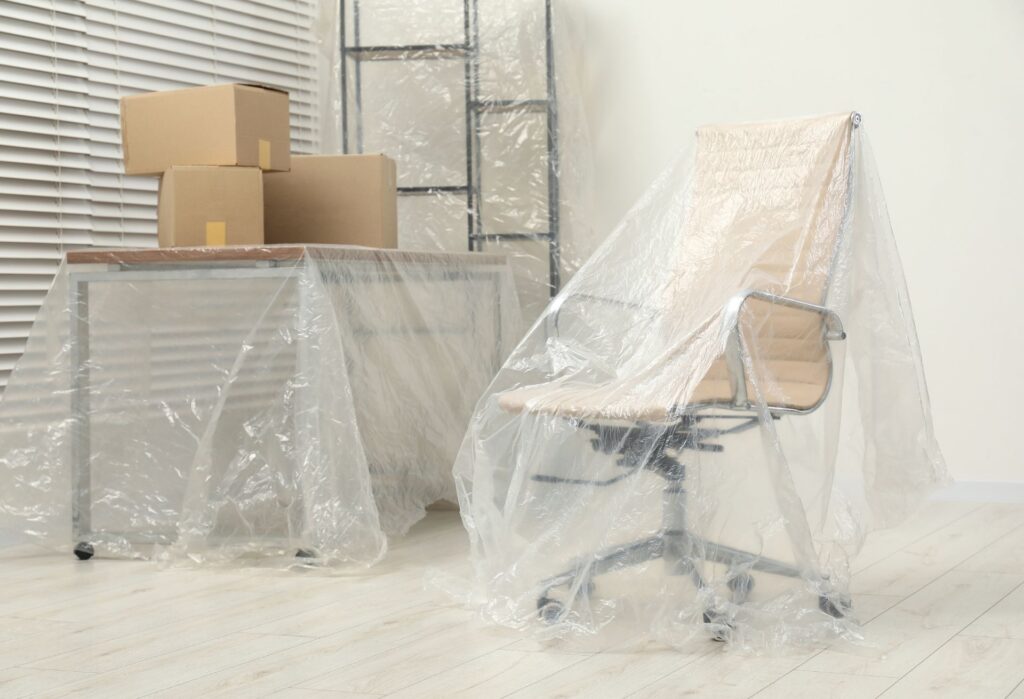
| Plastic wrap | None | Medium | Poor | Traps moisture and causes mould |
| Bubble wrap | Low | High | Good for glass | Should be used with a breathable under layer |
| Mattress storage bags | Medium | Medium | Good | Choose ventilated versions |
| Furniture specific covers | Medium | High | Excellent | Designed for long term storage |
Wrapping wooden furniture
Wrap the corners and legs first using padded materials. Cover the entire item with a breathable blanket or cotton sheet. Avoid sealing wooden furniture inside plastic.
Wrapping sofas and armchairs
Use breathable sofa covers or cotton sheets. Add extra padding to armrests and corners. Do not place heavy items on upholstered furniture.
Wrapping mattresses
Use a mattress storage bag that allows slight airflow. Ensure the mattress is stored flat inside the unit.
Wrapping glass
Wrap glass and mirrors in bubble wrap, then place inside a rigid cardboard sleeve. Always store glass vertically.
Wrapping metal
Wrap with thick blankets to prevent scratching or rust transfer.
Choosing the right materials reduces when packing furniture for storage almost every risk associated with long term storage.
Preventing Moisture and Mould in Long Term Storage
Moisture control is vital when storing furniture long term because even a small amount of humidity trapped in coverings can lead to mould and deterioration. Here are some key ways to prevent moisture and mould build up on your furniture when storing for an extended time.
Improve airflow
Raising furniture items off the floor using pallets or boards allows air to circulate underneath. Leaving a small gap between furniture and walls improves airflow further.
Avoid plastic
Plastic trapping moisture is one of the main causes of mould in long term furniture storage. Use breathable covers whenever possible.
Use desiccant packs
Silica gel pouches or disposable dehumidifier pots can be placed inside drawers or wrapped within layers to absorb moisture. Replace them periodically.
Do not press furniture tightly together
Air needs to move freely around each item. Tight packing creates condensation build up.
Make sure everything is completely dry
This is the most important rule. Storing damp items guarantees mould.
Blue Box Storage provides dry and well maintained units, which gives you a head start in moisture control, but your own preparation is still essential.

Arranging Furniture Inside the Storage Unit
Once everything is wrapped, the layout inside the unit helps determine how safe and accessible items remain. A thoughtful layout ensures that nothing becomes crushed or neglected when storing furniture long term, and it also helps airflow circulate properly. Here are some top tips for arranging your storage unit.
Start with the largest pieces
Place heavy items like wardrobes, tables or bed frames at the back. These pieces form a stable base and should not be moved regularly.
Leave a walkway
A narrow path down the centre of the unit allows you to access other items without moving everything.
Keep furniture off the floor
Boards, pallets or blocks help prevent direct contact with cold surfaces.
Leave small gaps between items
This promotes airflow and reduces the chance of mould forming.
Use vertical space
Stack light items above heavier ones, but never place anything heavy on top of soft furnishings.
Store glass vertically
Place mirrors and glass between two stable furniture pieces to prevent tipping.
A good layout helps protect all your furniture and makes it easier to retrieve items when required.
Long Term Furniture Care By Material Type
Different materials react differently to temperature, moisture and pressure, which is why proper preparation makes such a significant difference. Each material behaves in its own way when storing furniture long term, and tailoring your approach to wood, fabric, leather, metal or glass helps preserve every item for as long as you need. Understanding how these materials respond allows you to prevent warping, cracking, mould and long term deterioration.
Wood
Wood is one of the most sensitive materials in long term storage. It naturally absorbs and releases moisture from the air, and this movement can cause warping, swelling or cracking. Before storing wooden furniture, it helps to clean it thoroughly and apply a conditioning wax or oil to stabilise the grain. This creates a protective layer that reduces moisture transfer.
Avoid wrapping wood directly in plastic because plastic traps condensation, which can sit against the surface for months at a time. Instead, use breathable blankets or cotton sheets. For items with drawers, leave them slightly open to allow airflow. Heavy wooden pieces should always be raised off the floor so cold surfaces do not draw moisture into the timber.
Leather
Leather needs stable conditions, good airflow and the right type of cover. It reacts poorly to trapped moisture and can develop mildew or a sticky surface if wrapped in plastic. Conditioning leather before storage keeps it supple and prevents drying or cracking.
Once conditioned, wrap it in a breathable sofa cover or thick cotton sheet. Keeping leather raised off the floor reduces the chances of cold surfaces affecting the material. Leather should not be stacked or crushed under other items, as repeated pressure can alter the shape of cushions or arms. When storing furniture long term, giving leather space and airflow helps preserve its finish and structure.
Upholstery
Fabric upholstery is vulnerable to moisture, dust and odours. It absorbs humidity easily, which means a single damp patch can turn into mould within weeks. The most important step for upholstery is ensuring it is completely clean and dry before packing. Vacuum the entire surface, including under cushions, to remove dust that might attract moisture.
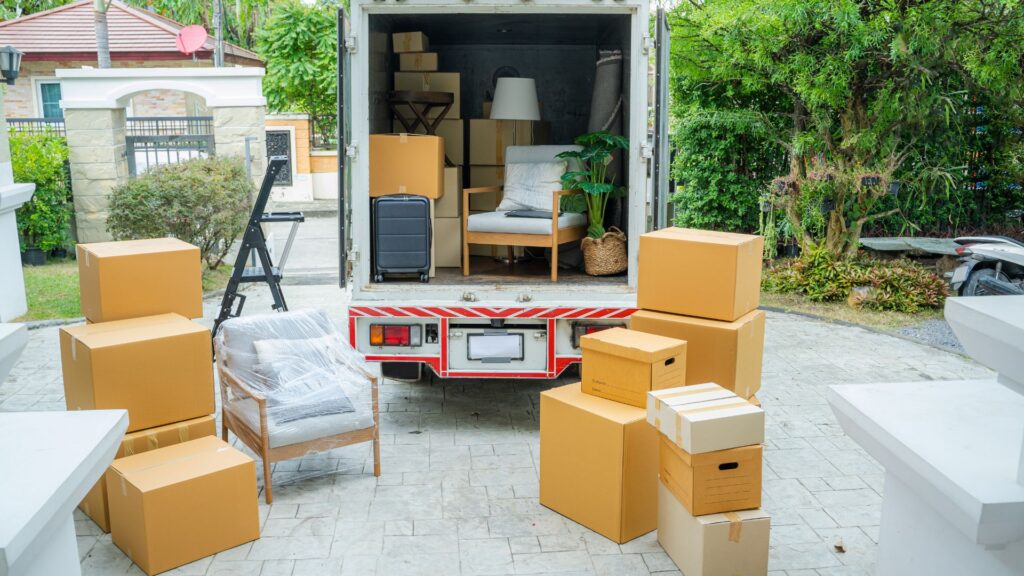
Use breathable covers rather than plastic sheets, as trapped moisture leads to mildew. Upholstered items should always be raised off the floor to allow circulation. If possible, avoid stacking anything on sofas or armchairs because weight can distort the padding over long periods.
Metal
Metal furniture and components are at risk of rust or tarnishing in storage. Even small amounts of moisture in the air can settle on metal surfaces and cause long term corrosion. Before storing metal items, wipe them clean and ensure they are fully dry. Lightly wrapping them in blankets prevents scratches without trapping moisture.
Good airflow inside the unit is important, so avoid sealing metal in airtight bags. When storing furniture long term, aim to keep metal items away from potential condensation points such as cold floors or exterior walls.
Mattresses
Mattresses need specific care because their internal structure can be damaged easily. The most important rule is to store mattresses flat. Storing them on their side may seem space saving, but long term pressure causes springs to shift and foam layers to collapse. Use a ventilated mattress storage bag rather than a fully airtight one. Ensure the mattress is completely dry and clean before storing it.
Raise it slightly to improve airflow and protect it from cold surfaces. If other items need to be stored above the mattress, place them on a stable surface rather than directly on the mattress to avoid compression marks.
Glass
Glass is fragile and responds badly to pressure, vibrations and knocks. It should always be stored upright rather than flat. Laying glass flat increases the risk of breakage because even small amounts of downward pressure can cause cracks.
Wrap glass items in bubble wrap for cushioning, then place them inside a rigid cardboard sleeve or between thick blankets. Store them between two stable furniture pieces so they cannot tip. When storing furniture long term, always keep glass away from areas where it may be bumped or where other items could fall onto it.
Antiques
Antique furniture requires the highest level of care. It often contains delicate wood, old adhesives, fragile fabrics or unique finishes that react strongly to moisture and temperature changes. Antiques should be cleaned gently using appropriate materials, then wrapped with thick blankets for cushioning and breathable covers for airflow. Avoid dismantling antiques unless absolutely necessary, as old joints may not withstand disassembly.
Position them where they will not be knocked or crushed, ideally in the centre of the unit rather than against exterior walls. Stable temperatures and consistent airflow are especially important when storing furniture long term, and antiques benefit the most from these conditions.
How Long Can Furniture Be Stored?
When stored correctly, furniture can be kept in excellent condition for many years. The duration matters less than the quality of the preparation. Many people store items for a year while renovating. Others store furniture long term while living abroad. Some store heirlooms indefinitely.
The key factors determining longevity are:
• moisture control
• breathable wrapping
• stable environment
• proper cleaning
• correct layout
A dry, secure storage unit always provides better results than storing furniture in a garage or shed at home. With the right preparation, storing furniture long term is completely achievable and allows your items to remain in excellent condition for years.
What Not To Do When Storing Furniture Long Term
Thousands of storage problems come down to a small number of avoidable mistakes. Avoiding common mistakes is crucial when storing furniture long term, as the smallest oversight can create long lasting damage to your largest and most vital pieces in your home.
Do not:
• wrap wood or leather in plastic
• store mattresses upright
• place furniture directly on concrete
• rush cleaning
• stack heavy objects on sofas
• block all airflow
• let items touch cold surfaces
• store anything damp
• seal wrapping too tightly
Avoiding these mistakes ensures your furniture stays in excellent condition.

Choosing the Right Storage Space
There are many places people attempt to store furniture long term, but the conditions vary widely. Picking a clean, dry and secure unit is one of the biggest factors in successfully storing furniture long term without unexpected issues, but it helps to understand the benefits and drawbacks of each option before making a decision.
Home garages
Garages feel convenient because they offer easy access and no cost. They work for very short periods, such as a quick room repaint. However, they are not suitable for storing furniture long term. Most garages have no insulation or ventilation, which leads to temperature swings and condensation.
This creates ideal conditions for mould, rust and warping. Dust, pests and damp concrete floors add further risk. Even a dry garage on day one can become unsuitable within weeks especially if you're filling the garage.
Loft spaces
Lofts sit safely within the home and keep items away from ground moisture. They are fine for lightweight, non sensitive belongings. For furniture, they are not ideal.
Lofts experience extreme heat in summer and intense cold in winter, causing wood to expand and contract. Leather can dry out, adhesives weaken and fabrics collect humidity. Moving heavy furniture into a loft is also unsafe and impractical.
Sheds
Garden sheds are convenient but not protective. They offer minimal insulation and poor weather resistance. Moisture enters easily, and temperatures swing drastically between day and night.
These conditions quickly lead to musty smells, mildew and swelling in wooden or upholstered items. Security is also limited. Sheds are not suitable for storing furniture long term, except for brief emergencies.
Professional storage units
A secure, dry storage unit provides a stable environment that protects furniture far better than home based solutions. They are clean, dry, secure and consistent in temperature. This stability prevents mould, damp patches, wood movement and fabric deterioration. Units also offer better safety, with gated access, CCTV and solid construction. With space to raise items off the floor, create airflow and arrange furniture properly, professional units are by far the most reliable option for storing furniture long term.
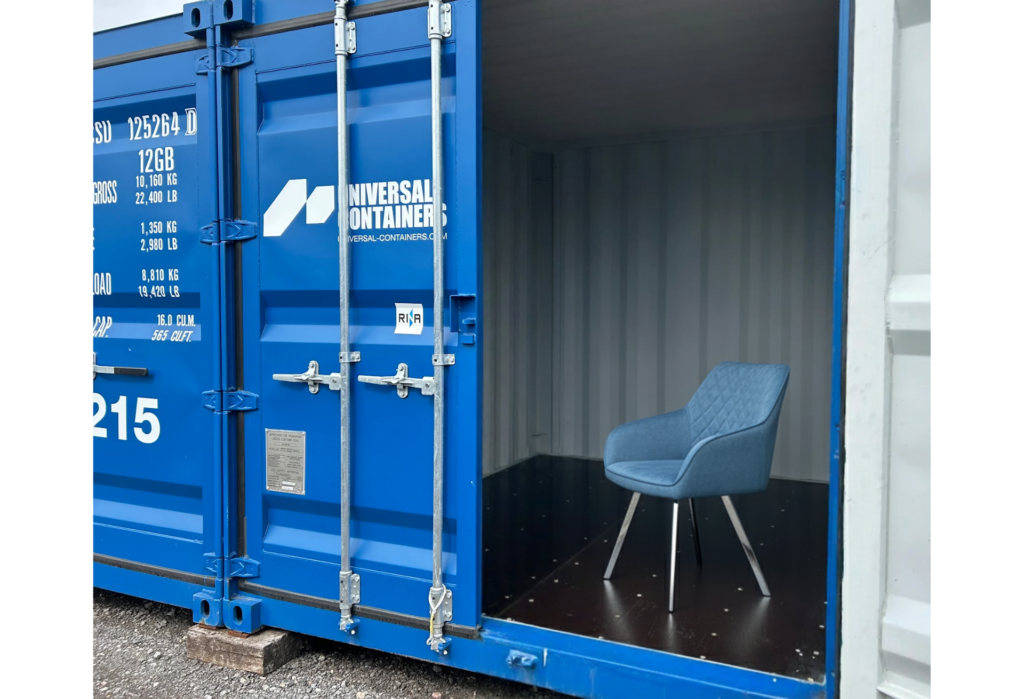
Blue Box Storage provides clean, dry and secure storage container units suitable for storing furniture long term. The gated site, CCTV coverage and reliable maintenance create an ideal environment.
Cost Considerations When Storing Furniture Long Term
The cost of storing furniture long term varies depending on several practical factors. Thinking about these early helps you choose the most suitable unit and avoid unnecessary expense.
Unit size
Larger pieces like sofas, wardrobes or dining tables require more space. A one bedroom flat’s furniture often fits into a medium sized unit, while a full household requires a larger space. Choosing the correct size prevents you from squeezing items together, which risks damage. It also ensures you are not paying for unused space.
Duration of storage
The length of time you plan to store items is a major cost factor. Most storage providers offer discounted rates for longer stays, so it can be more cost effective to book a medium or long term period rather than paying month by month. Planning ahead helps keep your budget predictable.
Number and type of items
Storing a few solid wood pieces is very different from storing an entire home’s worth of furniture including mattresses and upholstery. The more items you store, the more protection materials and space you may need. Bulky, awkwardly shaped pieces usually need extra room to be arranged safely.
Protection materials
Covers, blankets, corner guards, desiccant packs and mattress bags add a small extra cost but make a significant difference in the long run. Investing in proper materials reduces the likelihood of moisture damage, scratches or warping. The cost of these items is far lower than repairing or replacing furniture.
Additional shelving or pallets
Using pallets to raise furniture off the floor improves airflow and protects against temperature transfer from the ground. Shelving can help store smaller items or disassembled parts without stacking them on delicate furniture. These additions are optional but often worthwhile when storing furniture long term.
Transport and preparation
If you hire a van or professional movers, this will add to the total cost. However, safe transport reduces the risk of accidental knocks or dents when loading and unloading your furniture.
Insurance
Some storage facilities offer insurance or require you to provide your own. High value or antique items may justify additional coverage. Insurance is usually inexpensive and provides reassurance for long term storage.
Value of proper preparation
Storing items correctly is cost effective because it protects your investment. The expense of cleaning, wrapping and preparing furniture is always far lower than replacing items that have been damaged by mould, moisture or poor handling. When you compare the cost of a stable storage unit with the price of a new sofa or dining table, the value becomes clear.
Frequently Asked Questions
What is the best way of storing furniture long term?
Clean everything thoroughly, wrap using breathable materials, raise items off the floor and store them in a dry unit.
How do I prevent mould in storage?
Ensure everything is dry, avoid plastic wrapping and allow airflow.
Can leather be stored long term?
Yes, if conditioned and wrapped correctly.
How should I store a mattress long term?
Always store mattresses flat.
Can I store antique furniture?
Yes, with extra padding and breathable wrapping.
Final Advice
Preparing your furniture properly and choosing a secure, dry storage unit stops almost every long term problem. With the right protection and layout, your furniture will be in the same condition when you retrieve it as the day you stored it.
Why Blue Box Storage Is Ideal for Long Term Furniture Storage
Blue Box Storage provides secure, clean and dry units with easy access, a gated site and CCTV protection. The family run team offers honest advice and supports you through the process of choosing the right unit.
If you need a safe and reliable place for storing furniture long term, the Blue Box team is ready to help. Enquire today and we will help you choose the best unit for your needs.

About the author:
Harry Merrett
Director of Blue Box Storage Doncaster
He is the Director of Blue Box Storage Doncaster and has helped hundreds of Doncaster residents safely store belongings in one of the highest rated outdoor self storage facilities in Doncaster on Google. He has ensured Blue Box Storage remains accredited with the Self Storage Association and a Platinum Accreditation with the CaSSOA.
Follow Harry on LinkedIn here.
Get in touch to secure your storage
Recent Posts
How To Organise Clothes In Your Wardrobe: Practical Tips For A Tidier Home
If you've ever stood in front of a wardrobe full of clothes and still felt like you had nothing to wear, you're certainly not alone. An overcrowded wardrobe can make getting dressed feel frustrating, waste valuable time each morning and even lead to buying clothes you already own because you simply can't find them. Learning […]
Vehicle Storage Solutions: How To Keep Your Vehicle Safe When It's Not In Use
Whether you're moving house, heading overseas for work, making room on the driveway or protecting a cherished classic car, finding the right vehicle storage solutions can make life much easier. Leaving a vehicle unused for weeks or months is rarely as simple as parking it up and walking away. Batteries lose charge, tyres can develop […]
How To Protect Furniture During A Home Renovation
Home renovations are exciting. New kitchens, larger living spaces, loft conversions and home extensions can dramatically improve how a property looks and functions. The problem is that most homeowners focus heavily on the finished result and underestimate the disruption that happens during the building process itself. Dust, debris, moisture, accidental knocks and constant foot traffic […]
Our Accreditations

Visit us
Unit 1 Sandall Business Park, Sandall Stones Road, Kirk Sandall, Doncaster DN3 1RW
Phone
01302 593593
Email
[email protected]
© Copyright 2024 Blue Box Storage. All rights reserved.
Sitemap