
Choosing between container storage vs self storage in Doncaster comes down to access, what you’re storing and how often you’ll need to visit. This guide compares drive-up containers and indoor units on convenience, security, damp prevention and value, with a quick checklist to decide.
Does Caravan Storage Affect Insurance? What Owners Should Check Before Choosing a Site

I hope you enjoy reading this blog post. If you'd like to learn more about our storage solutions click here.
Author: Harry Merrett | Director of Blue Box Storage Doncaster
Published:
August 26, 2026
Does caravan storage affect insurance?
Yes, caravan storage can affect insurance because many insurers rate risk based on where and how your caravan is kept when it’s not in use. Changing storage site, storing at home versus a recognised compound, or altering security arrangements can all impact policy conditions, cover limits and sometimes your premium.
This matters most at renewal time, but it can also matter mid-policy if you move your caravan to a new location. Insurers typically want to know the storage-site address, the security measures in place and whether the site is accredited by CaSSOA (the Caravan Storage Site Owners’ Association). The aim is simple: reduce the risk of theft, vandalism and accidental damage while the caravan is parked up.
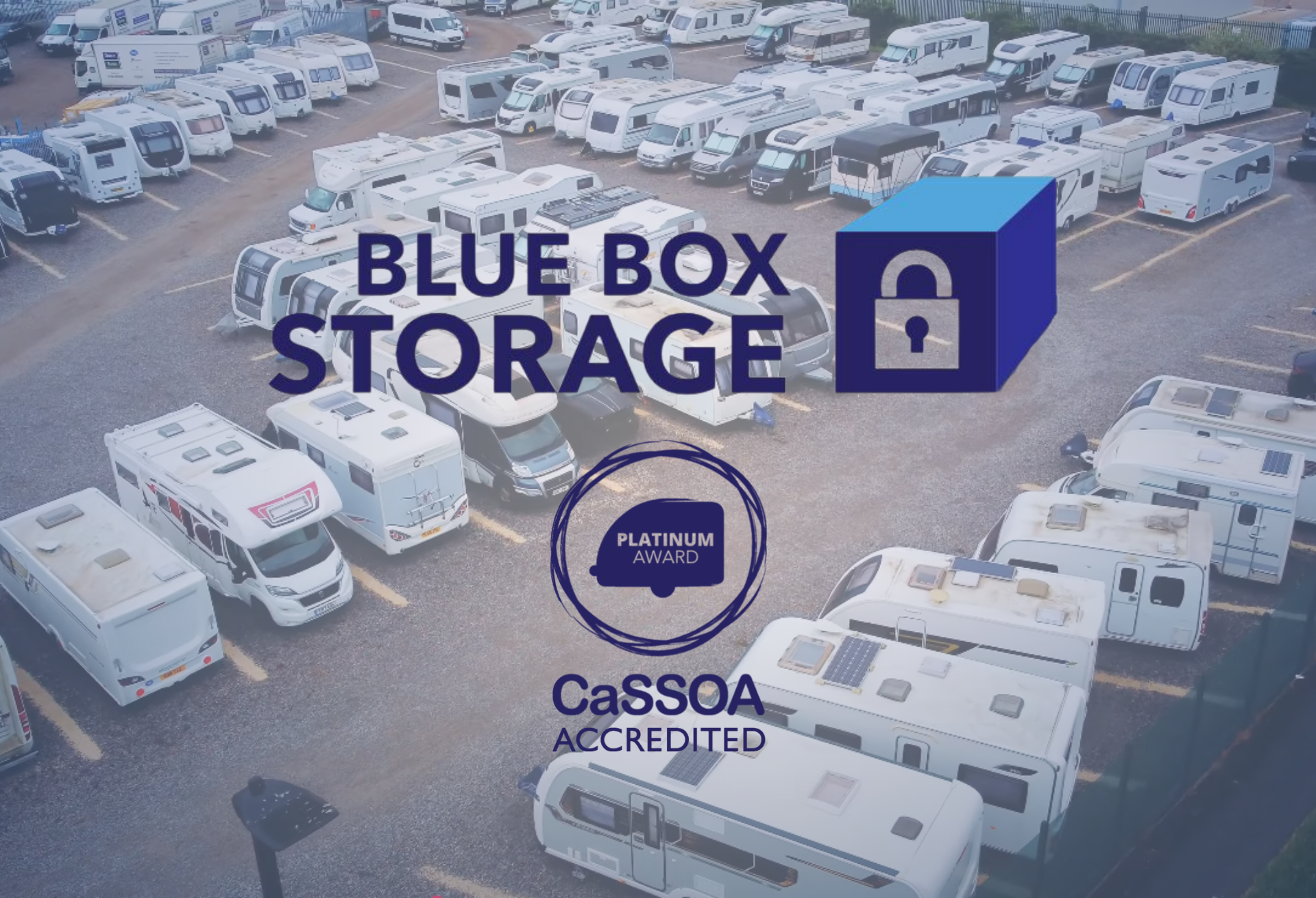
Blue Box Storage is a family-run storage business based in Doncaster, South Yorkshire, providing container storage, caravan storage and commercial storage with 24/7 access, CCTV and controlled entry.
Does where you store a caravan affect its insurance?
Insurers commonly treat the storage location as a key risk factor. A touring caravan kept on a driveway with minimal security is typically considered a different risk to one stored on a controlled-access compound with perimeter fencing, lighting and CCTV.
In practical terms, storage can affect:
- Your premium (not always, but it can)
- Policy conditions (for example, specific locks or alarms you must use)
- Theft cover terms (such as what counts as “forcible and violent entry”)
- Where the caravan is allowed to be kept (home address only, nominated storage site, or “anywhere in the UK”)
If you’re comparing sites, check what your current policy says about the “stored location” or “kept at” address. If it’s tied to a postcode, moving your caravan without telling the insurer can create problems later.
Do you still need insurance while a caravan is in storage?
For a touring caravan in the UK, insurance is not legally required, but many owners still choose to insure for theft, fire, accidental damage and liability. Some lenders or finance agreements may also require insurance as a condition.
A key point: storage security reduces risk, but it does not remove risk. Even in a well-run storage compound, you may still want cover for things like storm damage, fire, attempted theft, or accidental damage.
For motorhomes, it’s different: because they are motor vehicles, you must have valid insurance to drive on public roads. If your motorhome is off-road and declared SORN (Statutory Off Road Notification), road-legal insurance isn’t required to keep it parked, but owners often still keep a specialist motorhome policy in place for storage risks. (Always follow your insurer’s rules and any finance requirements.)
What storage information will an insurer ask for?
Most caravan insurers ask a standard set of questions about where the caravan is kept and what protection is in place. Having clear answers makes renewals and mid-policy changes much easier.
Storage-site address and postcode
Insurers often ask for:
- The full address or postcode of the storage location
- Whether it’s your home address or a separate storage compound
- Whether the caravan is kept at the same location year-round
If you are moving to a new compound, tell your insurer before you move it, or at least on the day you move. The safest approach is to get confirmation (email is ideal) that cover remains valid at the new address.
CaSSOA accreditation level
Many policies ask if the site is CaSSOA accredited, and if so, the level.
CaSSOA is the industry body for caravan and motorhome storage sites, and accreditation is based on security and management standards. You can read how CaSSOA works on the official website: CaSSOA (Caravan Storage Site Owners’ Association).
Important: different insurers treat CaSSOA information in different ways. Some recognise it explicitly. Others still want the specific security features rather than the badge alone.
Access control and perimeter security
Insurers commonly want to know whether the site has:
- Controlled entry, such as gated access
- Perimeter fencing and how the boundary is secured
- Restrictions on who can enter and when
From an insurance point of view, the key question is whether access is controlled enough to deter opportunistic theft and to create clear evidence of unauthorised entry.
CCTV, lighting and monitoring
You may be asked:
- Is there CCTV coverage?
- Is the site floodlit at night?
- Is there any form of monitoring?
It’s worth being specific. “CCTV on site” is vague. “CCTV covering entrance and storage lanes with floodlighting” is the sort of detail insurers and claims handlers can understand.
Wheel clamps, hitchlocks and alarms
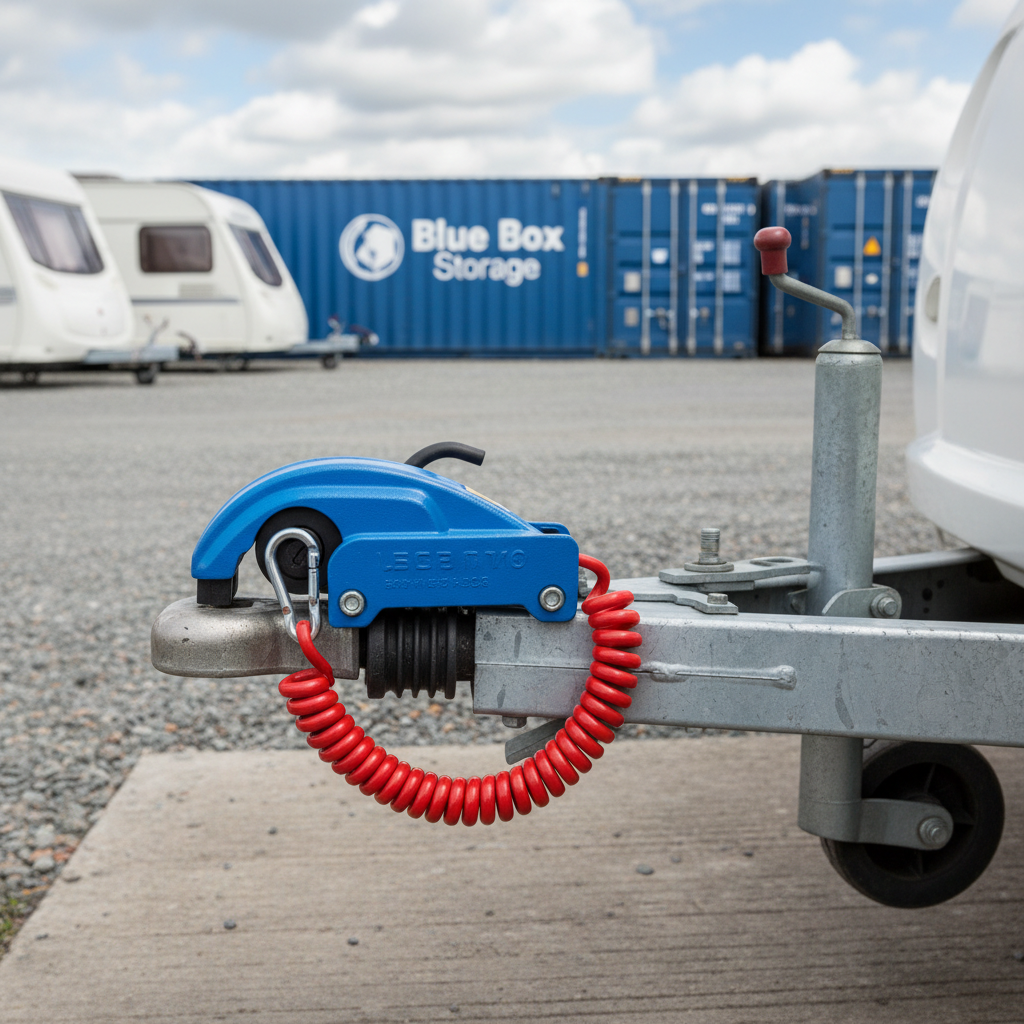
Even if the storage compound is highly secure, many policies still require approved security devices, such as:
- A hitchlock
- A wheel clamp
- A caravan alarm (on some policies)
Insurers may specify that devices must be of a certain standard (or “approved”). Your policy wording is what counts.
Can CaSSOA storage reduce caravan insurance costs?
Sometimes, yes. Some insurers may offer more favourable terms or pricing when a caravan is stored at a CaSSOA accredited site, because it can indicate lower theft risk.
However, there is no universal rule. Whether it affects your premium depends on:
- The insurer’s own rating model
- Your caravan’s value and type
- Your claims history and postcode
- The policy’s security requirements (locks, alarms, trackers)
- The exact storage arrangements and how they are evidenced
The most practical approach is to ask your insurer a direct question before you commit to a site: “If I store at a CaSSOA Platinum site at this postcode, does anything change in my cover or premium?” Get the answer in writing.
What does CaSSOA Platinum actually mean?
CaSSOA Platinum is the highest CaSSOA accreditation level and indicates that a storage site meets strict security and operational standards assessed by CaSSOA.
What it typically signals to owners and insurers is a strong overall security setup, often including things like controlled access and robust site management. That said, CaSSOA accreditation is not an insurance product and it does not guarantee that theft or damage cannot happen.
If you’re comparing compounds, use CaSSOA as a starting point, then confirm the practical details your insurer cares about (gates, lighting, CCTV, perimeter security, and any on-site rules).
Does CaSSOA accreditation replace caravan insurance?
No. CaSSOA accreditation assesses the storage site, not your caravan and not your policy cover.
Caravan insurance is still what protects you financially if something happens, subject to your policy terms. A CaSSOA accredited site can support your security arrangements, but it does not cover:
- Theft of your caravan or contents
- Fire or storm damage
- Accidental damage
- Public liability risks
Think of it this way: CaSSOA relates to the environment your caravan is stored in. Insurance relates to the financial protection you have if the worst happens.
Questions to ask your insurer before moving storage site
If you want clear, useful answers, it helps to ask clear, specific questions. Here are the ones that prevent most problems later.
1. Do I need to notify you before I change storage location?
2. Is my policy restricted to a named storage address or postcode?
3. Do you recognise CaSSOA accreditation, and does the level (Gold/Platinum) matter?
4. What security devices are required while in storage (hitchlock, wheel clamp, alarm, tracker)?
5. Do the security devices need to be on the caravan at all times, even inside a secure compound?
6. Are contents covered while in storage, and are there any limits?
7. Are there any exclusions in storage (for example, unattended periods, keys left in caravan, or evidence requirements)?
If your insurer gives advice by phone, ask for a confirmation email or a note added to your policy documents.
Questions to ask a caravan storage provider
A good storage provider should be able to answer these quickly and clearly.
- What is the full site address and postcode? (Insurers often need this exactly.)
- Is the site CaSSOA accredited, and what level?
- How is access controlled? (Gates, fobs, codes, sign-in procedures.)
- What perimeter security is in place? (Fencing, barriers, boundary layout.)
- Is the site floodlit at night, and where?
- Where is CCTV positioned and what does it cover?
- Is there on-site monitoring or remote monitoring?
- What are the rules for customer access and vehicle movement?
- Are pitches hardstanding and suitable for my caravan size and weight?
If you’re taking out a new policy or changing insurer, these answers also help you complete proposal forms accurately.
Common insurance mistakes caravan owners make with storage
A few avoidable mistakes cause most of the stress at claim time.
- Not telling the insurer about a storage move: if your policy is based on a named location, this can lead to disputes.
- Assuming a “secure compound” means locks are optional: many policies still require a hitchlock or wheel clamp.
- Giving a vague address: “near Doncaster” is not enough. Insurers often want the full postcode.
- Leaving keys or valuables in the caravan: policy conditions often set expectations about keys, contents and security.
- Underestimating contents limits: some policies cap contents cover, especially while stored.
A simple rule: if you’re changing anything about where it’s kept or how it’s protected, check the policy wording or ask the insurer.
Choosing secure caravan storage in Doncaster
If you’re looking at caravan storage around Doncaster and South Yorkshire, prioritise the factors insurers tend to care about most: controlled access, perimeter security, lighting, CCTV and clear site management.
Blue Box Storage offers caravan storage in Doncaster with CaSSOA Platinum credentials and practical security measures including CCTV, floodlighting and double-gated access. The site is designed for straightforward access too, with 24/7 entry for customers.
The most helpful next step is usually:
1. Confirm your insurer’s exact storage requirements (address, CaSSOA recognition, security devices).
2. Visit the storage site to check the setup matches what you’ve been told.
To check availability or arrange a visit, start with Blue Box’s caravan storage information or use the Blue Box Storage enquiries page to ask a specific question about your caravan and your insurer’s requirements.
Summary: does caravan storage affect insurance?
Yes, does caravan storage affect insurance is a practical question with real consequences. The storage address, CaSSOA accreditation and the day-to-day security measures on site can influence policy conditions and, sometimes, premium and cover terms. Before you switch storage site, get clear answers from your insurer and make sure the provider can confirm the exact details insurers ask for.
If you’re comparing CaSSOA-accredited options locally, you can view Blue Box’s caravan storage in Doncaster and then confirm with your insurer whether any policy conditions change for your particular cover.
FAQs
Is caravan insurance legally required in the UK?
No. Touring caravan insurance is not a legal requirement in the UK, but it is often strongly recommended because it can cover theft, accidental damage, fire and liability risks. If your caravan is financed, your lender may require insurance. Motorhomes are different because they are vehicles that need valid insurance to be driven on public roads.
Do I need insurance if my caravan stays in secure storage?
Most owners still keep insurance in place, even when using secure storage. A well-run compound can reduce the likelihood of theft or vandalism, but it doesn’t remove the risk of fire, storm damage, attempted theft or accidental damage. Also, your policy may still require specific security devices while stored, regardless of the site.
Can CaSSOA storage reduce my insurance premium?
It can, but it’s not guaranteed. Some insurers may offer more favourable terms if your caravan is stored at a CaSSOA accredited site because it indicates stronger security and site management. Others may simply record the information without changing the premium. The only reliable answer is to ask your insurer how CaSSOA accreditation affects your specific policy.
Will every insurer recognise CaSSOA Platinum?
Not necessarily. Many insurers understand CaSSOA accreditation, but how they use it varies. Some ask directly for the CaSSOA level, while others focus on the underlying security features like gated access, perimeter fencing, CCTV and lighting. If you are moving storage site, confirm in writing whether your insurer recognises CaSSOA Platinum for rating or policy conditions.
Does a secure site remove the need for a wheel clamp or hitchlock?
Usually not. Many caravan policies still require a hitchlock and/or wheel clamp even when the caravan is kept in a secure compound. Requirements can depend on the caravan’s value, your insurer and your policy type. Always check the wording under “security devices” or “theft conditions”, and ask the insurer if anything changes for your chosen storage site.
Do I need to tell my insurer before changing caravan storage site?
Often, yes. If your policy is based on a named storage address or postcode, moving the caravan without telling the insurer can cause problems with cover later. The safest approach is to notify your insurer before you move, give the exact new address and postcode, and ask for confirmation that your cover remains valid under the same terms.

About the author:
Harry Merrett
Director of Blue Box Storage Doncaster
He is the Director of Blue Box Storage Doncaster and has helped hundreds of Doncaster residents safely store belongings in one of the highest rated outdoor self storage facilities in Doncaster on Google. He has ensured Blue Box Storage remains accredited with the Self Storage Association and a Platinum Accreditation with the CaSSOA.
Follow Harry on LinkedIn here.
Get in touch to secure your storage
Recent Posts
Does Caravan Storage Affect Insurance? What Owners Should Check Before Choosing a Site
Caravan storage can affect your insurance because insurers often rate risk based on the storage location, site security and whether the compound is CaSSOA accredited. This guide explains what to check with your insurer and what details to confirm with a storage provider before you move or renew.
Storage for Sports Equipment in Doncaster: Secure Container Storage
Need storage for sports equipment in Doncaster? This guide explains what you can store, how container storage protects your kit, how to prevent damp and rust, and how to choose the right unit size at Blue Box Storage.
How To Organise A Kitchen: Practical Ideas For A More Functional Space
A well-organised kitchen makes everyday life noticeably easier. Whether you're preparing family meals, grabbing breakfast before work or trying to keep on top of the washing up, knowing exactly where everything belongs saves time, reduces stress and makes the room far more enjoyable to use. Learning how to organise a kitchen isn't about buying expensive […]
Our Accreditations

Visit us
Unit 1 Sandall Business Park, Sandall Stones Road, Kirk Sandall, Doncaster DN3 1RW
Phone
01302 593593
Email
[email protected]
© Copyright 2024 Blue Box Storage. All rights reserved.
Sitemap