
A practical guide for Doncaster SMEs on using container storage to free up workspace, stay organised and delay the disruption and cost of relocating. Includes unit size advice, security and access considerations, and a move-in checklist.
Storage Boxes: The Complete Guide to Choosing, Using and Storing Them Safely

I hope you enjoy reading this blog post. If you'd like to learn more about our storage solutions click here.
Author: Harry Merrett | Director of Blue Box Storage Doncaster
Published:
December 16, 2019
Choosing the right storage boxes can make the difference between belongings staying safe for years or becoming damaged within weeks. Most people think storage boxes are all the same, yet the quality, material, strength and design of the container directly affects how well your belongings survive both short term moves and long term storage. Whether you are packing up your home for a house move, putting items into a storage container unit, organising your garage, or preparing stock for a small business, understanding how to choose and use the right storage boxes will save you time, prevent damage and make your storage system far easier to manage.
Many households accumulate dozens of random boxes over time. Some are weak supermarket boxes, others are old shoe boxes, some are fragile cardboard cartons that have already been used several times. While these make do for short moments, they rarely offer the strength or protection required for long term stability. On the other hand, well chosen storage boxes keep belongings structured, safe, stackable and easy to access. They also allow you to make the most of your space by stacking vertically and categorising items clearly.
This complete guide explores everything you need to know about storage boxes, from the different types available to the best packing methods, and from moisture prevention to organising boxes inside a storage unit. Every section is designed to give you practical, step by step advice so you can store and protect your belongings with confidence. Whether you are using a 20ft container, a small indoor unit, or storing items at home, the principles remain the same.
Table of Contents

Why storage boxes matter more than people realise
Storage boxes set the foundation for every good storage system. If the boxes are strong, well packed and suitable for the items inside, everything else becomes easier. If the boxes are weak, damp, sagging or the wrong size, the entire layout becomes vulnerable. Boxes crush under pressure, items shift around inside, and stacks begin to lean.
Many people only realise the importance of proper storage boxes after something has already gone wrong. Boxes collapse, fragile items break, or mould appears on belongings that were stored in unsuitable cardboard. Choosing high quality, appropriate storage boxes from the beginning avoids these issues entirely.
Storage boxes also impact the experience of moving items in and out of a unit. With weak or mismatched boxes, you cannot stack safely. You cannot reach items easily. You cannot maintain a clear organisation system. A good storage box, however, supports weight, resists moisture, allows secure stacking and makes everything easier to find.
For households, the right storage boxes protect sentimental belongings, seasonal clothes, holiday decorations, kitchen items, books, toys and furniture accessories. For businesses, reliable storage boxes make managing inventory, transporting goods and creating a predictable storage system far simpler.
Valuable belongings deserve reliable boxes. Even basic household items benefit from proper protection when placed into long term storage. If everything is packed into strong, sensible storage boxes, it becomes much easier to organise the space and keep it tidy, clean and easy to access over time.
The different types of storage boxes explained
There are many types of storage boxes available, each offering unique strengths and weaknesses. Choosing the right one depends on what you plan to store, how long you plan to store it, and how much handling the box will undergo.

Cardboard storage boxes
Cardboard is widely available, inexpensive and easy to label. Cardboard storage boxes work well for lightweight, non fragile items that do not require long term protection. However, cardboard is vulnerable to moisture, crushing and pests. Once cardboard becomes damp, it loses strength rapidly and can collapse under even modest pressure.
Cardboard boxes are ideal for short term moves or for storing items you plan to access frequently. When used in a dry storage unit and kept off the floor, they can perform adequately, but they are not as reliable as stronger alternatives. If choosing cardboard storage boxes, adjust your stacking height so the heaviest boxes sit at the bottom and lighter ones stay higher up.

Plastic storage boxes
Plastic storage boxes are the most reliable option for long term protection. They are strong, rigid, moisture resistant and able to support significant weight. Many come with clip on lids that seal securely. Plastic boxes also stack neatly, making them ideal for a well organised unit.
Clear plastic storage boxes offer the advantage of visibility, allowing you to see the contents without opening the lid. This is especially useful for items you expect to access again soon, such as tools, children’s clothing, business inventory or craft supplies.
Heavy duty plastic crates provide even greater stability. They are designed to withstand repeated movement and will not buckle under heavy loads. These are excellent for garages, lofts and long term storage.
Plastic storage boxes outperform cardboard in almost every scenario where moisture, weight or time are factors.

Archive boxes
Archive storage boxes are designed specifically for documents, folders, paperwork and files. They often include reinforced bottoms and handles for easier lifting. Archive boxes help keep paperwork safe, organised and in good condition over long periods.
They are not suited to heavy items, but for documents they are ideal. Many businesses rely on archive boxes to store records securely for required retention periods. Labelling is simple and the uniform size makes stacking convenient.
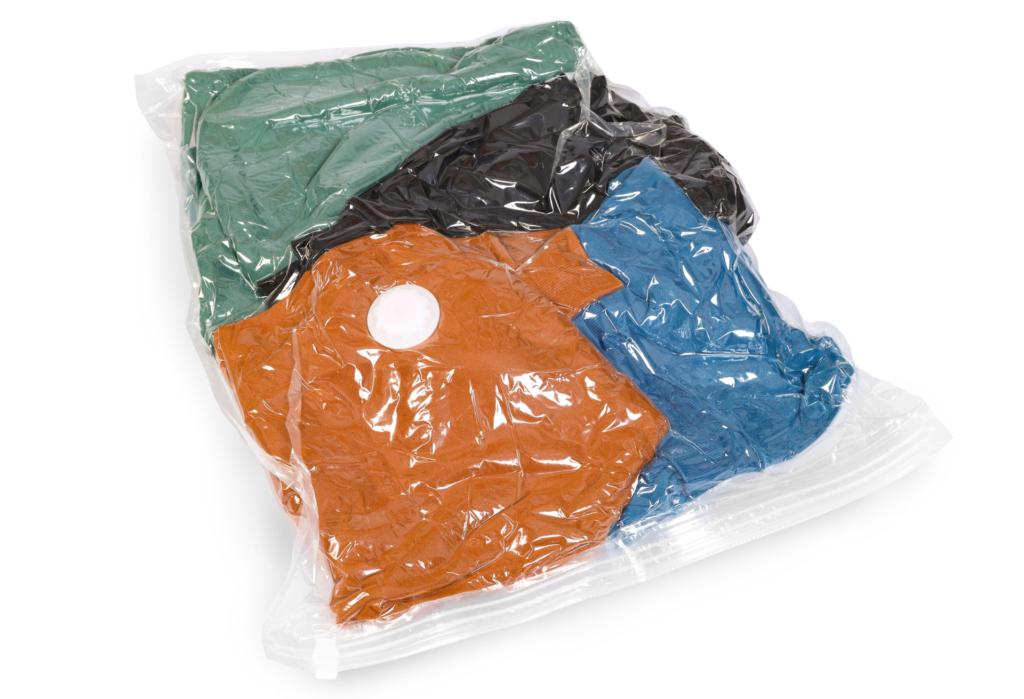
Vacuum bags and compression storage options
Vacuum storage bags compress fabric items like clothes, bedding or cushions by removing excess air. These can save a significant amount of space, especially for bulky textiles. However, vacuum bags should only be used for items that will not be damaged by compression.
Some delicate materials, such as down feathers or foam, can lose structure when vacuums remove all air. Vacuum bags also require careful moisture control. Any moisture trapped inside the bag before sealing can cause mould over time.
Compression bags work best for seasonal clothing, spare bedding and soft textiles. Avoid storing them long term on cold floors or in damp environments.
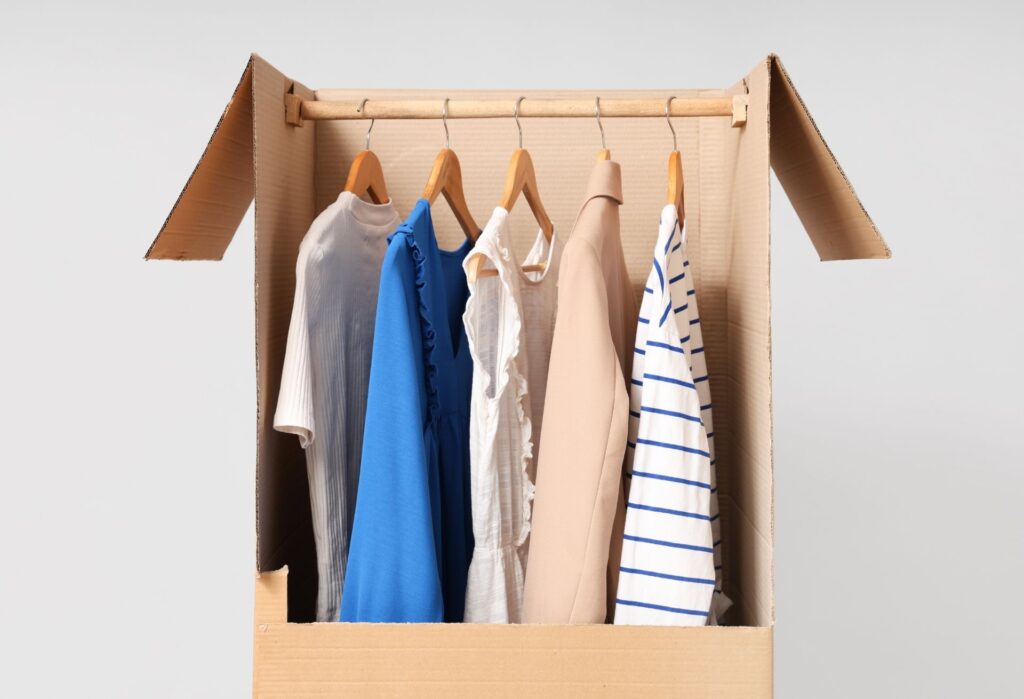
Specialist storage boxes
Some items require more specific protection. Specialist storage boxes include wardrobe boxes for hanging clothes, TV boxes with reinforced edges, tool boxes with inserts, and glassware boxes with built in dividers. These ensure that awkward or fragile items are protected properly.
People often underestimate how much safer their belongings are when they use suitable storage boxes instead of mixed household containers. Using the right type prevents unnecessary wear and reduces the risk of breakages.
Comparison table: Choosing between types of storage boxes
Here is a simple comparison to help readers understand each type of storage box at a glance.
| Box Type | Durability | Moisture Protection | Stackability | Best For | Cost |
|---|---|---|---|---|---|
| Cardboard boxes | Moderate | Low | Low to medium | Short term moves | Low |
| Plastic storage boxes | High | High | High | Long term storage | Medium |
| Heavy duty plastic crates | Very high | High | Very high | Tools, heavy items | Medium to high |
| Archive boxes | Medium | Low to medium | Medium | Documents | Low to medium |
| Vacuum bags | High for textiles | Medium | Good when boxed | Clothes and bedding | Low |
| Specialist boxes | High | High | High | TVs, glassware, wardrobe items | Medium to high |
How to choose the right storage boxes for each type of belonging
Different categories of items require different levels of protection. Matching storage boxes to the items you intend to store is a key part of long term success.
Fragile items
Fragile items need strong boxes, padding and separate compartments. Plastic boxes with structured sides offer the best protection. Wrap fragile items individually and cushion them properly. Do not allow glass or ceramics to move freely inside a box. A stable box significantly reduces the risk of breakages.
Books and documents
Books are heavy and should always be stored in small or medium boxes to avoid excessive weight. Books also absorb moisture easily, so airtight plastic storage boxes work well. Archive boxes are suitable for sorted documents and files but not ideal for heavy stacks of books.
Clothing and textiles
Textiles should be stored in breathable containers unless they are being compressed in vacuum bags. Plastic storage boxes work well if items are completely dry and clean. Avoid placing textiles in sealed plastic bags unless they are vacuum packed and moisture free, as sealed plastic can trap condensation.
Kitchenware
Kitchen items include glass, ceramics, metal and plastic. Glass and ceramics require padded protection. Metal items need to be kept dry to avoid rust. A sturdy plastic box with wrapping and dividers is the safest choice.
Sentimental items
Sentimental belongings deserve the highest level of protection. Choose heavy duty storage boxes for these items. Wrap everything carefully and avoid placing sentimental objects under heavy loads. A secure box helps preserve their condition for many years.

How to pack storage boxes properly for long term safety
The way you pack storage boxes influences how well they protect your items over time. Proper packing creates stable, compact boxes that resist pressure, moisture and movement.
Fill each box completely to prevent collapse. Gaps should be filled with towels, clothing or packing materials. Boxes that are only half full will buckle under weight. However, avoid making boxes too heavy, especially those used for books or heavy tools.
Wrap fragile items individually using paper or bubble wrap. Avoid packing multiple fragile items together without dividers.
Label every box clearly on at least two sides. This saves time inside the storage unit and keeps your organisation system intact.
Balance weight within each box. Keep heavy items at the bottom and lighter ones at the top. Do not mix delicate glassware with heavy metal items in the same box.
How to organise storage boxes inside a storage unit
Once you arrive at your storage unit, the way you arrange your storage boxes determines how safe and accessible everything is. Good organisation helps you make the most of your space and allows you to retrieve items quickly without disrupting the entire layout.
Start by placing large furniture and bulky items at the back or along the walls. This opens up the centre for box placement and prevents large items from blocking your path.
Creating zones inside the unit
A zone based system turns a storage unit into a structured, easy to navigate space. Divide the unit into sections based on item type or frequency of use.
- High use zone near the front
- Medium use zone in the centre
- Long term storage zone at the back
- Shelving zone on one side for fragile or high value items
- Deep storage zone for items you will not need for months or years
Storage boxes placed in zones stay easy to find and maintain.
Using vertical space safely
Strong plastic storage boxes allow you to use vertical space confidently. Stack boxes neatly, with heavier boxes at the bottom and lighter ones at the top. Ensure stacks do not lean. Keep a small gap between stacks to allow air to circulate.
Always avoid stacking cardboard boxes too high. Moisture or weight can cause them to collapse, risking damage to the items inside.
Maintaining airflow
Airflow is essential for long term storage. Do not place boxes tightly against the walls. Leave small gaps so air can move around them. This reduces the risk of trapped moisture and mould.
Example layout for a mixed family storage unit
A family storing seasonal belongings might use the following structure:
- Back wall: large furniture and bulky items
- Left side: heavy duty storage boxes with kitchenware and books
- Right side: clear plastic boxes with children’s clothes and toys
- Shelving: fragile items like ornaments and electronics
- Front: frequently used items such as sports equipment
Example layout for a small business storage unit
A business storing stock or inventory may adopt the following layout:
- Shelving along both sides for small labelled boxes
- Strong crates on the floor for heavier items
- Clear plastic tubs for fast moving stock
- Archive boxes at the back for paperwork
- A walkway down the centre to reach everything easily
Suggested layout for a 20ft storage unit
| Area in Unit | What to Store | Reasoning |
|---|---|---|
| Back wall | Furniture, large items | Creates stability and maximises space |
| Left wall | Heavy boxes | Supports strong stacking |
| Right wall | Seasonal or lighter items | Keeps high use items accessible |
| Shelving section | Fragile or valuable items | Protects items and simplifies access |
| Front space | Frequently needed items | Quick access without rearranging |
Preventing moisture, mould and damage in storage boxes
Even the best boxes cannot protect items fully if moisture is not managed correctly over long periods. Moisture control is one of the most important parts of successful long term storage.
Before placing items inside storage boxes, ensure everything is completely dry. Even a small amount of hidden moisture in clothing, books or wooden items can cause mould inside the box.
Use silica gel packs or small dehumidifier pots inside storage boxes containing sensitive items. Replace them periodically.
Raise boxes off the floor using pallets, planks or shelving. Cold floors can cause condensation under boxes.
Avoid wrapping items in plastic unless it is a breathable material. Plastic trapping moisture is a major cause of mould during long term storage.
Check your unit occasionally to ensure boxes remain dry, intact and stable.
Common mistakes people make when using storage boxes
Avoiding these errors saves time and protects your belongings.
- Using flimsy supermarket boxes
- Storing damp clothing in sealed containers
- Overloading cardboard storage boxes
- Stacking fragile boxes at the bottom
- Not labelling boxes clearly
- Mixing unrelated items
- Using boxes that are too large
- Storing cardboard directly on the floor
- Ignoring weight distribution
- Sealing boxes too tightly without providing airflow
Each of these mistakes is easily avoided with proper planning.
Storage boxes for moving house versus long term storage
When moving house, storage boxes need to be durable enough to withstand handling, stacking and transport. Boxes should be strong enough to lift without tearing. Short journeys allow for more flexible use of cardboard boxes.
Long term storage requires much more resilience. Boxes must resist moisture, stacking pressure and time. Plastic storage boxes are strongly recommended for long term use because they retain strength and stability far better than cardboard.
Different types of storage boxes are better suited to short term moves than long term storage, so choosing correctly saves time and money.
How long can storage boxes last
The lifespan of a storage box depends on its material, how it is handled and the environment it is stored in. Cardboard storage boxes can last several months if stored carefully, but they degrade when exposed to moisture, weight or pests.
Plastic storage boxes last for years when used properly. They maintain shape, resist moisture and provide reliable long term protection. Heavy duty crates can last decades.
Signs that a box needs replacing include sagging sides, softened cardboard, cracked plastic or broken lids. Refreshing your boxes periodically keeps your storage system strong and reliable.
Frequently asked questions about storage boxes
Should I choose plastic or cardboard?
Plastic boxes are best for long term storage. Cardboard boxes can work for short term use.
What size box is best for heavy items?
Small or medium boxes prevent excessive weight and protect your back when lifting.
How many boxes fit in a standard storage unit?
It depends on box size, but a 20ft unit can hold many neatly stacked boxes if arranged well.
Do I need shelving?
Shelving helps keep fragile items safe and makes frequent access much easier.
Do plastic boxes stop mould?
They help, but moisture control is still essential.
Should I label every box?
Yes. Clear labels make every visit faster and more organised.
Final advice
Storage boxes are one of the simplest and most effective tools for protecting your belongings. The right storage boxes provide strength, stability and structure. They help you organise your space, stack safely and retrieve items without frustration.
Investing time in choosing, packing and arranging the correct boxes makes every part of your storage journey easier. Whether you are storing for one month or several years, proper planning creates a stress free, efficient and reliable system. Good storage boxes give you confidence that your belongings will be in the same condition when you collect them as they were the day you stored them.
Why Blue Box Storage is the ideal place to store your boxes safely
Blue Box Storage offers secure, clean and dry storage units that keep your storage boxes safe over the long term. The site has gated access, CCTV monitoring and a friendly family run team who are always ready to offer honest advice. Whether you are storing personal belongings or business items, a well organised storage space combined with the right storage boxes gives you the best possible results.
If you're looking to use container storage in Doncaster, get in touch with our friendly team.

About the author:
Harry Merrett
Director of Blue Box Storage Doncaster
He is the Director of Blue Box Storage Doncaster and has helped hundreds of Doncaster residents safely store belongings in one of the highest rated outdoor self storage facilities in Doncaster on Google. He has ensured Blue Box Storage remains accredited with the Self Storage Association and a Platinum Accreditation with the CaSSOA.
Follow Harry on LinkedIn here.
Get in touch to secure your storage
Recent Posts
Container Storage vs Self Storage: Which Is Better in Doncaster?
Choosing between container storage vs self storage in Doncaster comes down to access, what you’re storing and how often you’ll need to visit. This guide compares drive-up containers and indoor units on convenience, security, damp prevention and value, with a quick checklist to decide.
Does Caravan Storage Affect Insurance? What Owners Should Check Before Choosing a Site
Caravan storage can affect your insurance because insurers often rate risk based on the storage location, site security and whether the compound is CaSSOA accredited. This guide explains what to check with your insurer and what details to confirm with a storage provider before you move or renew.
Storage for Sports Equipment in Doncaster: Secure Container Storage
Need storage for sports equipment in Doncaster? This guide explains what you can store, how container storage protects your kit, how to prevent damp and rust, and how to choose the right unit size at Blue Box Storage.
Our Accreditations

Visit us
Unit 1 Sandall Business Park, Sandall Stones Road, Kirk Sandall, Doncaster DN3 1RW
Phone
01302 593593
Email
[email protected]
© Copyright 2024 Blue Box Storage. All rights reserved.
Sitemap