
A well-organised kitchen makes everyday life noticeably easier. Whether you're preparing family meals, grabbing breakfast before work or trying to keep on top of the washing up, knowing exactly where everything belongs saves time, reduces stress and makes the room far more enjoyable to use. Learning how to organise a kitchen isn't about buying expensive […]
The Complete Moving House Checklist for a Smooth and Stress Free Move

I hope you enjoy reading this blog post. If you'd like to learn more about our storage solutions click here.
Author: Harry Merrett | Director of Blue Box Storage Doncaster
Published:
November 14, 2025
Moving home is one of the most demanding projects most people take on, and the difference between a smooth moving day and a stressful one nearly always comes down to organisation. A clear and practical moving house checklist gives you structure, helps you prioritise tasks and keeps you calm through each stage of the process.
This moving house checklist breaks everything down into simple, manageable steps so you can prepare your home properly and feel fully in control long before the van arrives.
The days leading up to a move can feel overwhelming, but using this moving house checklist allows you to prepare gradually rather than rushing through everything at the last minute.
These fifteen steps walk you through early planning, decluttering, packing, cleaning, furniture preparation, moving day strategies and storage advice to support you before, during and after the move.
Table of Contents

How Long Does It Take To Prepare for Moving House?
Preparing for a move always takes longer than people expect. Most households do not realise how many belongings they have until they start opening cupboards, clearing drawers or sorting through loft spaces. A typical preparation window is six to eight weeks, which gives you enough time to declutter, pack in stages and arrange everything without feeling rushed. Starting earlier than you think you need to is one of the best ways to reduce stress.
The timeline varies depending on the size of your home and how organised your belongings are. A one bedroom flat with minimal furniture can usually be packed in three weeks if you work steadily. A larger family home with children’s belongings, outdoor equipment, loft storage, garden tools and bulky furniture often needs far more time. If you also need to sell items, donate belongings or arrange storage for furniture, you will benefit from starting even earlier.
Homeowners preparing for viewings or renters needing to meet strict checkout standards should also allow extra time. Decluttering, deep cleaning and preparing furniture for transport are all easier when tackled gradually instead of squeezed into the final week. When you begin early, moving day feels like a straightforward handover rather than a frantic race to the finish.
A well planned moving house checklist helps you stay focused during each stage of the move.
Common Moving Day Mistakes and How To Avoid Them
Even well planned moves can run into problems if small but important tasks are missed. Packing too late, failing to measure hallways or forgetting to check cupboards are among the most common issues people face during a move. Fortunately, most of these mistakes are avoidable with simple preparation like using a moving house checklist.
One of the biggest pitfalls is leaving too much packing for the final evening. After a long day, it becomes easy to rush boxes, wrap items poorly or mix unrelated belongings together simply to get the job done. Boxes packed under pressure are far more likely to break open or allow items to shift during transport. Packing steadily over several weeks prevents this and protects your belongings.
Another frequent issue is neglecting to label fragile items clearly. Removal teams rely on accurate labelling to know what needs extra care. If a box looks identical to the others, it may be stacked or handled in a way that puts fragile contents at risk. Clear instructions eliminate the guesswork.
Failing to reserve parking for the removal van also causes delays. If the van cannot park close to your home, loading becomes slower and more physically demanding. Planning access the night before saves significant time. Checking every cupboard twice, measuring large furniture against doorways and ensuring everything is fully dry before packing will help prevent last minute problems.
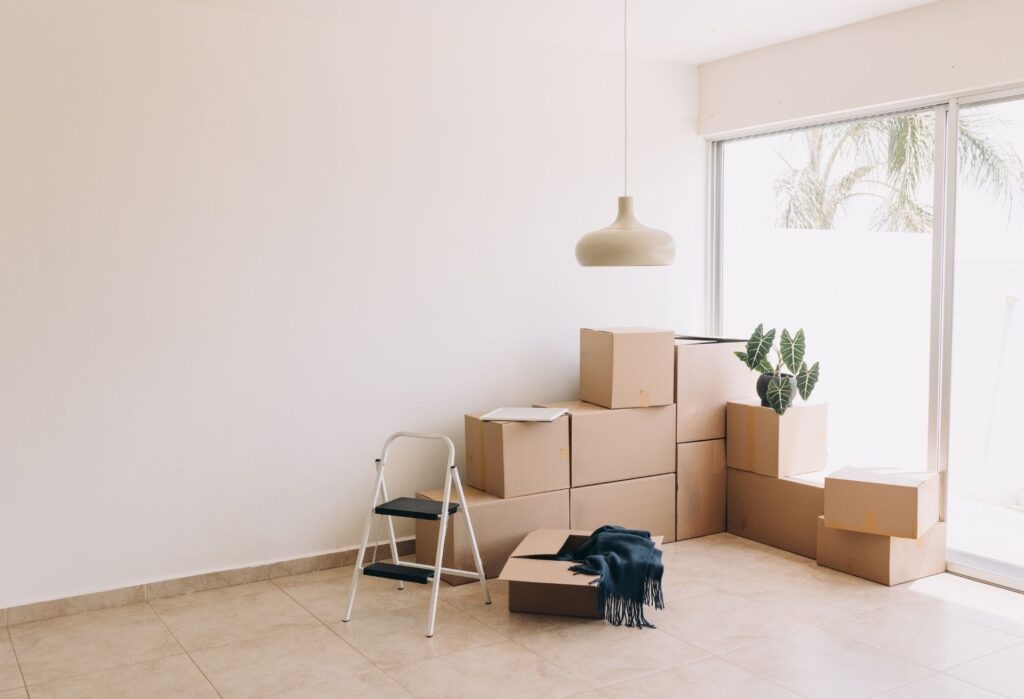
Our Moving House Checklist
We see many people using Blue Box Storage to help with making moving house easier and so we've put together what we think is the ideal moving house checklist that covers everything you need to remember to make your house move go off without a hitch and with minimal stress.
Many people underestimate how useful a moving house checklist is until they start working through it so our advice is to start early and keep chipping away at the long list of tasks you may have.
Step 1: Set Your Moving Date and Create a Timeline
The first stage of any moving house checklist is selecting a moving date or at least an approximate range. This gives you the starting point for every decision that follows. Whether you are completing a sale, ending a tenancy or moving in stages, having a date allows you to create a sensible and achievable schedule.
Once you have a date in place, map out a week by week timeline. This should include when to book removals, when to notify utility companies, what documents to prepare, when to start decluttering, and when to begin packing each room. Planning this early reduces pressure and avoids the sense of everything happening at once.
This is also the moment to consider whether you will manage the move independently with hired transport or if you will book a professional removal team. The earlier you decide, the more reliable your options will be.
Typical Moving Timeline (Week by Week)
A clear week by week timeline gives you a structured plan to follow and helps you stay organised throughout the entire moving process. Here is an example moving timeline to add to your moving house checklist.
| Week | Tasks |
|---|---|
| Week 8 | Choose your moving date, book your removal company or van hire, begin your moving house checklist. |
| Week 7 | Notify utilities, council tax, broadband provider, insurance companies, workplace, school and any essential services. |
| Week 6 | Start decluttering each room, decide what to keep, sell, donate, recycle or place into storage. |
| Week 5 | Gather all packing materials, order extra boxes, start packing non essential items. |
| Week 4 | Continue steady packing, label boxes clearly, organise cupboards, drawers and storage areas. |
| Week 3 | Pack low use items, clear loft spaces, sheds and garages, prepare garden equipment. |
| Week 2 | Disassemble suitable furniture, prepare appliances, clean areas no longer in regular use. |
| Week 1 | Finish packing, prepare your essentials box, check every cupboard, confirm times with the removal team. |
| Moving Day | Clear pathways, supervise loading, take final meter readings, lock the property, hand over keys and travel to your new home. |
Full Moving Timeline: 7 Days Before to 2 Days After
The final week before moving day is the busiest, so this daily countdown that you can add to your moving house checklist shows exactly what to do and when to keep everything running smoothly.
| Day | Tasks |
|---|---|
| 7 Days Before | Begin final round of packing, finish decluttering, organise cupboards, confirm removal team details and parking arrangements. |
| 6 Days Before | Pack seasonal clothing, spare bedding and low use items, begin cleaning rooms you no longer need daily. |
| 5 Days Before | Disassemble suitable furniture, prepare garden items, clear loft, garage and shed spaces, label all boxes clearly. |
| 4 Days Before | Gather tools, check appliance manuals, prepare to disconnect white goods, collect final packing supplies if running low. |
| 3 Days Before | Disconnect non essential electronics, wrap valuable or fragile items, prepare pet arrangements, create safe zones for children. |
| 2 Days Before | Defrost freezer, empty and clean fridge, finish packing everything except essentials, clear pathways throughout the home. |
| 1 Day Before | Pack essentials box, lay out moving day clothing, charge phones, take out bins, check every cupboard and drawer. |
| Moving Day | Keep pathways clear, supervise loading, take meter readings, complete final property check, hand over keys and travel to the new home. Ensure you're checking off everything on your moving house checklist. |
| 1 Day After | Unpack essentials, assemble key furniture such as beds, check utilities, place boxes in the correct rooms, open windows to freshen the home. |
| 2 Days After | Begin structured unpacking room by room, organise storage areas, check fragile items, start planning any early repairs or decorating tasks. |
Step 2: Notify Your Providers and Change Your Address Details
A key part of any moving house checklist is updating your address with all essential services. Leaving these tasks too late can create administrative problems, especially with home insurance or broadband installation.
Important contacts include your energy provider, water supplier, council tax, broadband provider, GP, bank, workplace, school, insurance companies and any subscription services such as deliveries or memberships. Creating a digital list makes this stage easier, and ticking off each item gives you a sense of steady progress.
Step 3: Start Decluttering Before You Pack Anything
Decluttering is one of the most powerful steps in your moving house checklist because it directly affects how easy and affordable your move becomes. The fewer items you take with you, the faster you will pack, the lower your removal costs will be, and the easier unpacking becomes at your new home.
The best approach is to declutter room by room. This keeps the process controlled and prevents creating unnecessary mess. Sort your belongings into categories such as keep, donate, sell, recycle and dispose. Be realistic about what you actually use. If something has been untouched for a long time, it may not be worth packing and transporting.
For anyone selling their home, decluttering has an added benefit. Clear, tidy rooms appear larger and more appealing to potential buyers. If you need to remove bulky furniture or excess belongings, temporary storage is an ideal solution and keeps your home looking staged and spacious.
Step 4: Gather All Packing Materials Early
Your moving house checklist should include gathering all packing materials several weeks before you start boxing anything. Running out of boxes or tape mid way through a room is frustrating and slows your progress.
Collect a range of small, medium and large boxes, along with bubble wrap, packing paper, strong tape, scissors, markers, fragile stickers, mattress bags, sofa covers and corner protectors. Heavy items like books need small, sturdy boxes. Larger boxes are ideal for lighter objects such as cushions or bedding.
Buying materials early means you can start packing gradually rather than rushing during the final week.

Step 5: Begin Packing Non Essential Items
The next stage of the moving house checklist is packing everything you do not use daily. This includes books, framed photos, seasonal clothing, decorative items, spare bedding, hobby materials and any non essential kitchen equipment.
Pack each room carefully and label every box with the room name and a brief list of contents. Good labelling makes unpacking far easier and helps removal teams place boxes directly where they belong. Consider using a colour coding system for quick identification.
Starting with non essentials gives you momentum without disrupting your daily routine.
Step 6: Pack Items You Use Regularly but Can Live Without Short Term
Around two to three weeks before your move, begin boxing up items that you still use but not every day. This might include spare towels, additional toiletries, occasional clothing, baking equipment, garden tools and books in current use.
As your home empties, aim to create calm, organised spaces so you can see what remains. Keeping only essential items visible reduces clutter and makes your home safer and easier to navigate as boxes accumulate.
If your home begins to feel crowded, storage allows you to remove packed boxes and large furniture to create more working space.
Step 7: Prepare Furniture for Moving
Furniture requires its own stage in your moving house checklist because it is bulky, heavy and more vulnerable to damage than smaller household items. Preparing each piece properly ensures safer transport and prevents damage to your property during loading and unloading.
Begin by dismantling any items designed to come apart, such as bed frames, flat pack wardrobes, modular shelves or dining tables with removable legs. Keep screws and fittings in a labelled bag taped securely to the item so nothing goes missing.
Wrap furniture in breathable covers or blankets to prevent scratches, and use corner protectors to shield vulnerable areas. Sofas and mattresses require specific covers to keep fabric clean and protected during transit. Glass components should be removed and packed separately.
This careful preparation protects your furniture and makes moving day much more efficient.
Step 8: Deep Clean Your Home Before Moving Day
Cleaning your home is essential whether you rent or own the property. Your moving house checklist should include a full clean during the final week, ensuring the property is ready for the next occupants or for your final inspection if you are renting.
Focus on the kitchen first. Clean cupboards, appliances, surfaces and floors. In bathrooms, scrub toilets, showers, tiles and mirrors. Vacuum carpets, wipe skirting boards and remove dust from corners and high surfaces. If you are renting, check your tenancy agreement for any specific cleaning expectations.
A clean and tidy home on moving day makes the final handover easier and leaves you confident that nothing has been missed.
Step 9: Prepare Appliances for the Move
Large appliances require advance preparation. Freezers must be defrosted at least 24 hours before moving. Fridges need to be emptied, cleaned and kept dry. Washing machines may require transit bolts to protect the drum during transport. Ovens should be cleaned thoroughly, especially for rental properties.
Secure any cables using ties or tape so they do not drag or get caught when items are being moved. If an appliance has a glass door or panel, consider adding protective wrapping.
Preparing appliances properly avoids leaks, odours and damage during transport.
Step 10: Organise Your Home for the Removal Team
Removal teams work efficiently when your home is arranged clearly. A good moving house checklist includes creating open pathways through hallways and rooms, especially around large furniture that needs to be moved.
Stack boxes near the exit but keep enough space for safe lifting. Remove obstacles, rugs and clutter that could trip someone during loading. If your home has difficult corners or tight staircases, point these out to the team before they begin so they can plan their route.
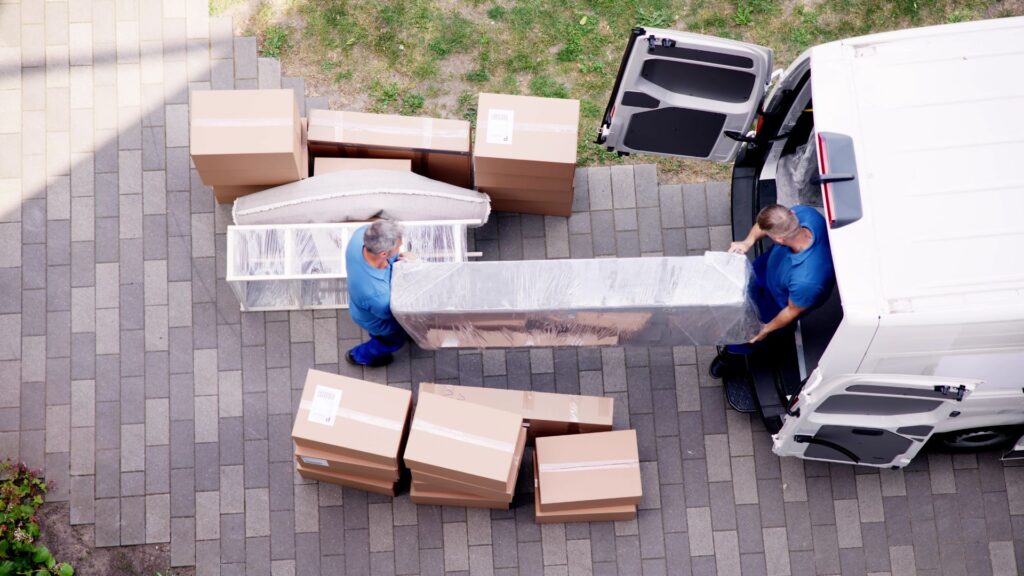
If you are moving from a busy street, reserve parking for the van the night before. Shorter distances between your home and the vehicle make a huge difference to the speed of the move.
Step 11: Create an Essentials Box for the First Night
Packing an essentials box is one of the simplest but most valuable steps in any moving house checklist. This box should stay with you, not in the removal van, and contain everything you need for the first twenty four hours in your new home.
Include toiletries, toothbrushes, basic kitchen items, a kettle, tea bags, chargers, medication, pyjamas, bin bags, towels and bedding. For children, include toys, comfort items or snacks. For pets, pack food, bowls and leads.
Having this essentials box prevents a late night search through dozens of boxes and helps you settle immediately.
Step 12: Complete a Full Moving Out Checklist
Before you leave your property for the final time, walk through every room slowly. Check cupboards, drawers, loft spaces and garden storage. Many people forget items in utility rooms, airing cupboards and garden sheds.
Take final meter readings for gas, electricity and water. Photograph these readings for your records. Ensure all windows are locked, lights are off and keys are placed in the correct location for handover.
If you are renting, reviewing your moving out checklist carefully helps protect your deposit and prevents disputes.
Step 13: Manage Moving Day Smoothly
Moving day can feel intense, but following your moving house checklist helps keep everything flowing. Wake up early and prepare your home before the removal team arrives. Keep your phone charged and have water, snacks and bin bags within reach.
Stay available to guide the team but allow them space to work. Let them know which items are fragile or need extra care. If an item requires dismantling, explain this early on.
Keep pets and small children in a single safe room or ask a family member to look after them to prevent accidents and reduce stress.
Once the van is loaded, perform one final walk through before locking up and leaving.

Step 14: Use Storage to Support Your Move
Storage plays an important role at several stages of the moving house checklist. During the decluttering stage, storage allows you to create space and present your home in the best possible condition. During the packing stage, it prevents your home from becoming cluttered with boxes. On moving day, storage provides a solution if there is a delay between moving out and moving in.
After the move, storage is helpful if your new home needs decorating or renovating. It allows you to unpack gradually and prevents your new home from becoming crowded.
Blue Box Storage offers clean, dry and secure units with excellent access, gated entry and CCTV monitoring. The units are ideal for furniture, boxes, seasonal belongings, moving day overflow and items that need protection while you settle in.
Step 15: Settle Into Your New Home with Confidence
Once you arrive, focus on the essentials box first. Make the beds, unpack toiletries, connect the kettle and create a small area of calm. Take your time with the rest of your belongings. Unpacking can be done gradually and does not need to be a race.
Follow the same methodical approach you used while packing. Work room by room and keep items organised as you go. With a strong moving house checklist in place, you will feel settled far sooner than expected.
How To Prepare Children and Pets for Moving Day
Moving can feel unsettling for children and pets because their environment changes suddenly and unfamiliar people enter the home. Preparing them early helps create a calmer and more predictable moving day.
Children respond well to involvement. Allow them to choose which toys to pack first, which ones to keep out until the last moment and what to include in their own essentials bag for the first night. Labelling their boxes together helps them feel part of the process and reduces anxiety. It also helps to explain the plan for moving day in simple steps so they know what to expect.
Pets need a safe, quiet space away from the noise and movement. The best approach is to keep them in a single room with their bed, toys, food and water while the removal team loads the van. For particularly nervous pets, consider arranging for them to stay with a trusted friend or family member for the day. This protects them from stress and prevents them from slipping out as doors open and close during the move.
A calm environment helps create a positive start in the new home for both children and pets. Many people find that a moving house checklist reduces stress because it breaks the process into simple steps.

How To Safely Move Valuable or Fragile Items
Delicate or high value belongings often require special attention because they are more susceptible to damage and should feature early on your moving house checklist. Artwork, heirlooms, mirrors, electronics and musical instruments must be packed with care to ensure they survive the journey.
Artwork and framed prints should always be stored upright and padded on all sides. Specialised cardboard picture boxes or corner protectors offer additional safety. Avoid laying paintings flat, as pressure from other items can cause dents or cracks.
Electronics such as televisions, monitors or speakers should ideally be placed in their original packaging. If this is not available, wrap them in thick blankets or bubble wrap and use strong boxes that offer enough cushioning. Instruments such as guitars or violins should be stored in hard cases with internal padding.
Glass items require particular attention. Wrap them in several layers of bubble wrap, then secure them inside cardboard sleeves or between cushions of soft material. Label all fragile boxes clearly and keep them in a separate section of the van where they will not be crushed.
Insurance is worth considering. Most professional removal companies offer goods in transit cover, but if you are moving independently, temporary insurance can give peace of mind that your valuables are protected.
Should You Hire Professional Movers or Do It Yourself?
Choosing between hiring a removal company or managing the move yourself is an important decision on your moving house checklist. Professional movers bring experience, efficiency and the correct equipment. They can handle heavy lifting safely, navigate awkward hallways and protect furniture using specialist covers and padding. Their experience reduces damage and makes the entire process much faster.
A do it yourself move is possible, especially for smaller homes or people on a tight budget. It allows you to work at your own pace and control the full process, but it often requires more planning, more physical effort and more time. You will need to hire or borrow a suitable vehicle, arrange lifting help, protect furniture yourself and manage all the loading and unloading.
The best option depends on your budget, the size of your home, your physical ability and how complex your move will be. A moving house checklist is invaluable when coordinating with a removal team who need clear instructions. Many households find that the investment in professional movers pays for itself in reduced stress and faster loading times, but both methods can work well with the right preparation.

How To Stage Your Home for Viewings Before the Move
If you are selling your home, staging it properly before viewings can have a significant impact on how quickly it sells and at what price. Buyers form impressions immediately, so creating a clean, bright and spacious environment helps them imagine living in the space.
Start by removing unnecessary items from surfaces such as kitchen counters, bedside tables and shelves. A clear, uncluttered room appears larger and more inviting. If you have bulky furniture that makes rooms feel tight, consider placing it in temporary storage to create more space. This helps buyers focus on the room rather than the furniture.
Tidying internal storage spaces also matters. Buyers often look inside wardrobes, airing cupboards and kitchen cabinets. Keeping these areas neat shows that the home is well maintained. Neutral colours, fresh bedding, clean windows and a tidy garden help create a welcoming atmosphere.
Staging does not require expensive décor, but it does require attention to detail. Creating a neutral, tidy environment helps potential buyers feel comfortable and allows your home to stand out. Including decluttering in your moving house checklist saves time and reduces the volume to pack.
Temporary Storage Solutions During Renovation or Delays
Container Storage becomes especially valuable when there are delays or gaps between leaving your old home and moving into the new one. These gaps are surprisingly common. Completion dates may change, landlords might need extra time to prepare a property, or you may want to decorate before fully moving in.
Temporary storage keeps your belongings safe, dry and secure during this period. It prevents the need to rush your move and gives you flexibility if your timeline changes. Storage is also useful if you are relocating long distance and need to move in stages, and work through your moving house checklist at an easier pace. You can transport belongings gradually while keeping essential items with you.
Many people use short term storage during renovations too. If your new home needs painting, flooring or structural work, storing furniture and boxes temporarily prevents dust and damage. It also allows you to create clear working space for decorators or contractors.
Storage provides reassurance during an uncertain stage of the move and gives you control over the timing of your unpacking and settling in.
Moving House Checklist Conclusion
Preparing for a move can feel overwhelming, but a clear and practical moving house checklist takes away much of the stress. By planning early, decluttering in stages, gathering the right packing materials and working through each step methodically, you create a calm and predictable moving experience.
Preparing furniture properly, organising your home ahead of the removal team and packing an essentials box all make moving day itself far easier. Taking care of children, pets, valuables and fragile items helps protect the things that matter most, and using storage during busy stages of the move gives you valuable breathing space. Reviewing your moving house checklist on the morning of the move ensures every important task has been completed.
Moving home is always a significant milestone, but with the right structure in place you can approach it with confidence. Thoughtful preparation allows you to settle quickly into your new home and enjoy the fresh start that comes with it.
If you need secure, clean and reliable space during your move, get in touch with Blue Box Storage and the team will help you find the ideal unit for your needs.

About the author:
Harry Merrett
Director of Blue Box Storage Doncaster
He is the Director of Blue Box Storage Doncaster and has helped hundreds of Doncaster residents safely store belongings in one of the highest rated outdoor self storage facilities in Doncaster on Google. He has ensured Blue Box Storage remains accredited with the Self Storage Association and a Platinum Accreditation with the CaSSOA.
Follow Harry on LinkedIn here.
Get in touch to secure your storage
Recent Posts
How To Organise Clothes In Your Wardrobe: Practical Tips For A Tidier Home
If you've ever stood in front of a wardrobe full of clothes and still felt like you had nothing to wear, you're certainly not alone. An overcrowded wardrobe can make getting dressed feel frustrating, waste valuable time each morning and even lead to buying clothes you already own because you simply can't find them. Learning […]
Vehicle Storage Solutions: How To Keep Your Vehicle Safe When It's Not In Use
Whether you're moving house, heading overseas for work, making room on the driveway or protecting a cherished classic car, finding the right vehicle storage solutions can make life much easier. Leaving a vehicle unused for weeks or months is rarely as simple as parking it up and walking away. Batteries lose charge, tyres can develop […]
How To Protect Furniture During A Home Renovation
Home renovations are exciting. New kitchens, larger living spaces, loft conversions and home extensions can dramatically improve how a property looks and functions. The problem is that most homeowners focus heavily on the finished result and underestimate the disruption that happens during the building process itself. Dust, debris, moisture, accidental knocks and constant foot traffic […]
Our Accreditations

Visit us
Unit 1 Sandall Business Park, Sandall Stones Road, Kirk Sandall, Doncaster DN3 1RW
Phone
01302 593593
Email
[email protected]
© Copyright 2024 Blue Box Storage. All rights reserved.
Sitemap