
Choosing between container storage vs self storage in Doncaster comes down to access, what you’re storing and how often you’ll need to visit. This guide compares drive-up containers and indoor units on convenience, security, damp prevention and value, with a quick checklist to decide.
Decluttering: How to Take Control of Your Space, Your Stuff and Your Stress

I hope you enjoy reading this blog post. If you'd like to learn more about our storage solutions click here.
Author: Harry Merrett | Director of Blue Box Storage Doncaster
Published:
March 25, 2025
Decluttering is one of those tasks that hovers in the background of everyday life. You know it needs to be done. You know your home will feel better for it. And yet somehow, the clutter creeps in—slowly, subtly, until one day, you can’t open the cupboard without something falling out. But decluttering isn’t just about tidying. It’s about taking back control of your environment, your schedule, and your mental clarity.
Many of the customers we see at our Doncaster storage facility are on a decluttering journey of some kind. Some are moving house and want to streamline before the big day. Others are going through a renovation, downsizing their space, adjusting after a major life event, or simply craving a calmer, more organised home. No matter your reason, the process of decluttering is one that offers lasting benefits—if you do it with intention.
Table of Contents
Understanding What Decluttering Really Means
When we talk about decluttering, we’re not just talking about getting rid of stuff. Decluttering is about evaluating the role your belongings play in your life. It’s about asking what adds value, what creates stress, and what you want your home to feel like.
It doesn’t always mean throwing everything out or becoming a minimalist. For many, it simply means creating space to breathe. It’s the shift from “do I have room for this?” to “does this deserve a place in my home?” That shift in thinking is what makes the difference between temporary tidying and long-term change.
Decluttering can be emotional. It can bring up memories, attachments, and even guilt. That’s why it’s important to approach the process gently. Start with what feels manageable. Focus on progress, not perfection.
Why We Hold Onto Clutter
Most people don’t keep clutter on purpose. It builds up over time for good reasons. You might keep things for “just in case,” or because they were expensive, or because they belonged to someone you loved. You might be too busy to deal with the backlog, or simply not sure where to begin.
The trouble is, clutter multiplies in silence. What starts as a couple of unused gadgets or a drawer of random cables can easily spread across whole rooms, garages, lofts, and sheds. And the more cluttered your space becomes, the harder it is to feel at peace in it.
There’s also a psychological cost. Research shows that cluttered environments can raise stress levels, reduce productivity, and even impact sleep. It’s hard to relax in a home that constantly reminds you of all the things you need to do.
The Emotional Weight of Belongings
Not all clutter is created equal. Some things are easy to let go of. Others are tangled up in identity, family, or personal history. A set of baby clothes, a collection of holiday souvenirs, furniture that belonged to your parents—these aren’t just objects. They’re pieces of your story.
Decluttering these kinds of items takes time. You might not be ready to say goodbye, and that’s okay. One approach that works well is to store those belongings temporarily while you decide. Putting them into a clean, dry space away from home gives you the space to evaluate without pressure. Over time, you may find the attachment fades—or that you want to bring certain things back into your life more consciously.

Where Clutter Hides in Plain Sight
Most homes have clutter hotspots—spaces where things naturally pile up. These are the places to look when you’re starting your decluttering journey.
Lofts and attics often house years of forgotten belongings. Old suitcases, childhood toys, broken appliances, boxes of paperwork, and decorations all live out of sight and out of mind. Until, of course, you run out of room and need to reclaim the space. Clearing your loft isn’t just about physical storage—it can also uncover things you didn’t know you still had.
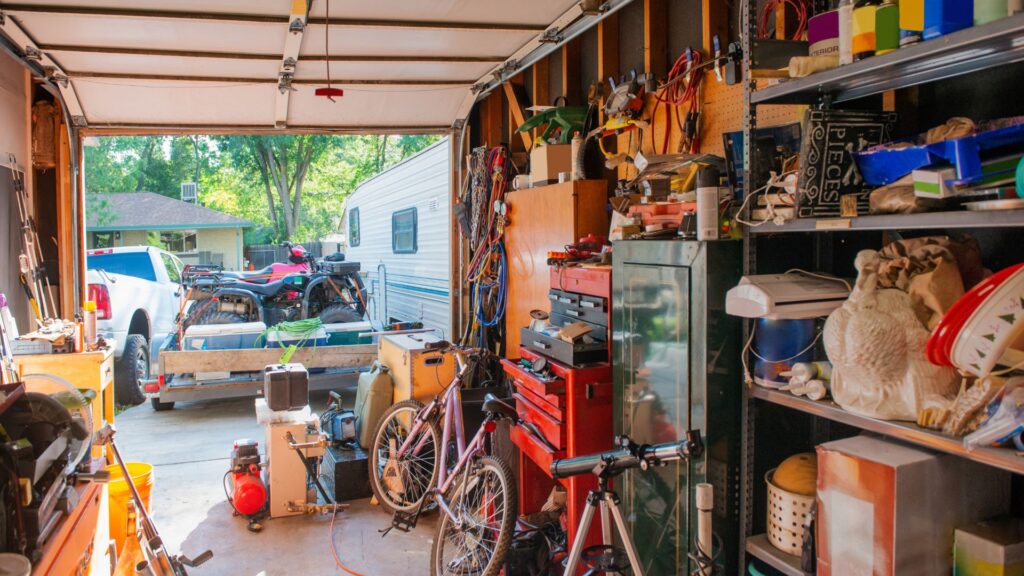
Garages and sheds are another area where clutter accumulates. These spaces often contain tools, paint tins, outdoor equipment, and furniture that no longer fits indoors. Decluttering your garage can give you back usable space—and even make room for your car again.
Cupboards and drawers may not look like much individually, but collectively, they can house an enormous amount of unnecessary clutter. From kitchen gadgets you never use to expired food and old instruction manuals, these small spaces are worth tackling.
Wardrobes and bedrooms can also become cluttered with clothing you no longer wear, books you’ll never reread, and personal items you’ve outgrown. It’s easy to overlook this type of clutter because it doesn’t always look messy—but it can weigh on your mind all the same.
Decluttering During Life Transitions
Life changes are one of the most common triggers for decluttering. Moving house, getting married, starting a family, retiring, or losing a loved one all come with emotional and physical shifts. These are the moments when we reassess what we really need and want to hold on to.
If you’re in the process of downsizing or preparing for a house move, decluttering before you pack can make the whole experience smoother. You’ll save time, energy, and transport costs—and you’ll arrive at your new home with only the items that genuinely serve your next chapter. We cover this process in detail in our blog on decluttering before a move.
For those renovating, decluttering is essential to clear the way for tradespeople and reduce damage to your belongings. Many of our customers use temporary storage during renovation to keep their furniture, electronics and personal items safe and out of the way.
Grief-related decluttering can be especially emotional. If you’re clearing a loved one’s home or sorting through their belongings, it helps to go slowly. Consider creating memory boxes, taking photos of items before letting them go, or storing them off-site until the time feels right to revisit.
Making Decluttering Manageable
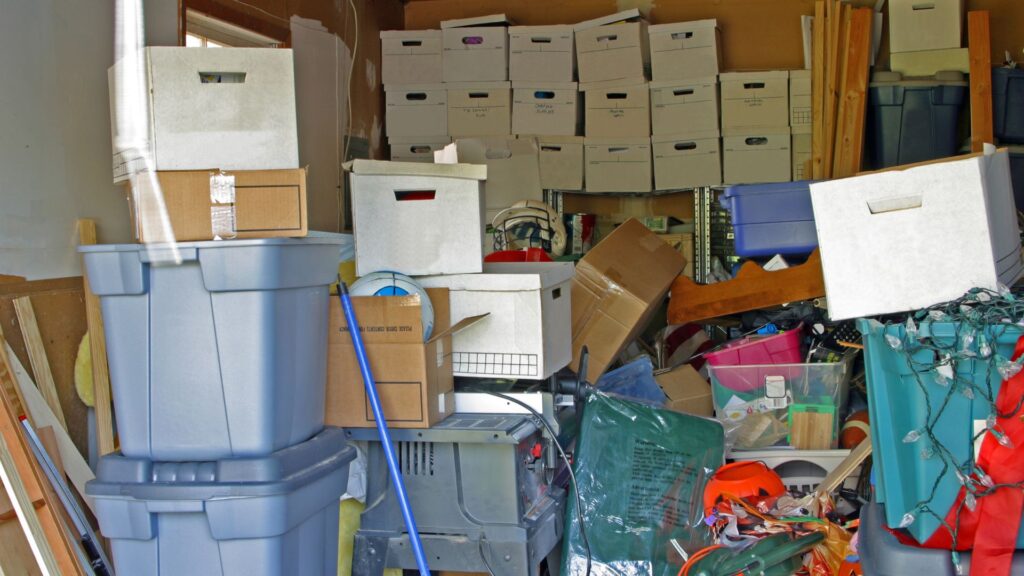
Decluttering a whole home can feel like an impossible task. That’s why it’s important to break it down. Instead of aiming to “declutter everything,” aim to make one small space better today than it was yesterday. Focus on one drawer, one cupboard, or one surface. That’s how momentum builds.
Don’t aim for perfection. Aim for improvement. Decluttering isn’t about achieving a Pinterest-perfect home. It’s about making your environment work better for your lifestyle.
And if you get stuck on a decision—don’t force it. Give yourself the option to store certain items away and come back to them later. Many people find that just having that breathing room changes everything. It removes the pressure and makes the process more thoughtful.
The Benefits of Decluttering
Decluttering isn’t just about creating physical space—it’s about unlocking freedom. A decluttered home is easier to clean, easier to navigate, and easier to enjoy. You spend less time hunting for things. You’re less likely to feel overwhelmed. And you’re more able to use your space for what matters most—whether that’s family, hobbies, work or rest.
There are financial benefits too. You might find items to sell or donate. You may avoid buying duplicates because you can finally see what you already have. And if you're selling your home, a clean and clutter-free space is more appealing to buyers, helping you sell faster and potentially for a better price. Our customers often pair their decluttering efforts with short-term storage to stage their home more effectively for viewings.
There’s also a wellbeing angle. Research shows that a tidy home can support better sleep, improve focus, and reduce anxiety. When your environment feels calm and manageable, it has a direct impact on your mood. You don’t need a bigger home—you need a more intentional one.
Decluttering for Families and Shared Homes
If you live with others, decluttering becomes a shared effort. That means communication is key. Children may not understand why you’re giving away toys, and partners may feel attached to things you see as junk.
Start with your own belongings to lead by example. Then invite others to join in without pressure. Let them make their own decisions. You can also suggest storage as a compromise—for items that aren’t used daily but hold value or sentiment. Whether it’s a collection of records, seasonal decorations, or kids’ keepsakes, having access to personal storage can ease the friction of shared space.
Decluttering When Running a Business from Home
The rise in home-based businesses means many people are juggling personal clutter and business-related clutter in the same space. If you’re storing stock, packaging materials, paperwork or tools in your home, it can quickly become overwhelming.
Creating a separation between business and personal storage can transform the way your home functions. Even moving just part of your stock or archive into commercial storage can free up space, reduce stress, and make your work more productive.
Maintaining a Decluttered Home
The real challenge with decluttering isn’t starting—it’s maintaining. That’s where habits come in. Try to build simple routines that prevent clutter from creeping back in. That might mean:
- Doing a five-minute tidy each evening
- Setting a reminder to review storage boxes every few months
- Asking yourself “do I really need this?” before buying something new
- Choosing one-in, one-out for clothes or books
You don’t need to be rigid. Just consistent. And remember, decluttering isn’t a one-time event. It’s an ongoing relationship with your space and your stuff.
Creating Breathing Room in Every Area of Life
When we talk about clutter, we often focus on the physical. But many people use decluttering as a wider metaphor. It’s about removing the excess, the distractions, the obligations that don’t serve them. It’s about creating more space—not just in cupboards, but in your calendar, your relationships and your thoughts.
Your home should support your goals, not compete with them. Decluttering is a powerful way to make that happen. And the ripple effect can be profound. Customers tell us they feel calmer, more confident, more productive and even more generous after decluttering. When you’re not weighed down by stuff, you’re more available for the things—and people—that matter.

What to Do with the Stuff You’re Not Sure About
Some items are easy to keep or toss. Others fall into a grey area. You’re not ready to let go—but you don’t have space to keep them at home. This is where storage becomes a helpful part of the decluttering journey.
Rather than forcing a decision, you can use flexible self storage to hold onto items while you decide. It might be boxes of baby clothes, furniture you’re saving for a child’s first flat, or seasonal items that don’t need to take up space year-round. Storage gives you options. And that’s the real goal of decluttering—not to have less, but to have more choice, more clarity, and more control.
How Blue Box Storage Can Support Your Decluttering Journey
If you’re ready to declutter but feel overwhelmed by where to start—or worried about letting go too soon—Blue Box Storage can help. We offer secure, affordable and flexible storage units in Doncaster, ideal for homeowners, renters, families, students, business owners and anyone going through life’s transitions.
Whether you need a place to store furniture during a renovation, keep sentimental items safe while downsizing, or make space to organise your home more clearly, we’re here to give you the breathing room you need. Our units range in size to suit all needs, and there are no long-term tie-ins—so you’re always in control.
Decluttering is a deeply personal process. But it’s also one of the most liberating things you can do for yourself. Make it easier by giving yourself time, space, and the right support along the way.
To get started, explore our storage options or get in touch today to speak to our friendly team. Let’s help you make space for what matters most.

About the author:
Harry Merrett
Director of Blue Box Storage Doncaster
He is the Director of Blue Box Storage Doncaster and has helped hundreds of Doncaster residents safely store belongings in one of the highest rated outdoor self storage facilities in Doncaster on Google. He has ensured Blue Box Storage remains accredited with the Self Storage Association and a Platinum Accreditation with the CaSSOA.
Follow Harry on LinkedIn here.
Get in touch to secure your storage
Recent Posts
Does Caravan Storage Affect Insurance? What Owners Should Check Before Choosing a Site
Caravan storage can affect your insurance because insurers often rate risk based on the storage location, site security and whether the compound is CaSSOA accredited. This guide explains what to check with your insurer and what details to confirm with a storage provider before you move or renew.
Storage for Sports Equipment in Doncaster: Secure Container Storage
Need storage for sports equipment in Doncaster? This guide explains what you can store, how container storage protects your kit, how to prevent damp and rust, and how to choose the right unit size at Blue Box Storage.
How To Organise A Kitchen: Practical Ideas For A More Functional Space
A well-organised kitchen makes everyday life noticeably easier. Whether you're preparing family meals, grabbing breakfast before work or trying to keep on top of the washing up, knowing exactly where everything belongs saves time, reduces stress and makes the room far more enjoyable to use. Learning how to organise a kitchen isn't about buying expensive […]
Our Accreditations

Visit us
Unit 1 Sandall Business Park, Sandall Stones Road, Kirk Sandall, Doncaster DN3 1RW
Phone
01302 593593
Email
[email protected]
© Copyright 2024 Blue Box Storage. All rights reserved.
Sitemap