
Tool theft can wipe out a tradesperson’s ability to work, so choosing the right tool storage in Doncaster is a practical business decision. This guide compares van, home and secure container storage, with checklists, sizing tips and next steps for local trades.
Tool Storage in Doncaster: Secure Options for Trades (Van vs Home vs Container)

I hope you enjoy reading this blog post. If you'd like to learn more about our storage solutions click here.
Author: Harry Merrett | Director of Blue Box Storage Doncaster
Published:
October 5, 2026
If you earn a living from your kit, tool storage in Doncaster is not really about “having somewhere to put things”. It is about staying on the tools tomorrow. One break-in can mean cancelled jobs, emergency replacements, insurance excesses and days of disruption while you sort locks, claims and paperwork.
Most tradespeople start by adding more security to the van or the garage. That helps, but it does not always fix the underlying issue: your tools still sit in a predictable place overnight. For many local trades, the practical upgrade is changing where tools live when you are not working.
This guide compares three realistic options around Doncaster and South Yorkshire: van storage, home/garage storage, and secure container storage. You will get a quick recommendation, a 60-second checklist, and a simple decision matrix you can use today.
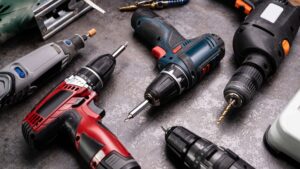
Quick answer: what’s the best tool storage option in Doncaster?
The “best” option depends on your routine, your kit value and how often you need access.
- Van storage is usually best if you are genuinely mobile (multiple sites, early starts), you only keep essential kit overnight, and you can park sensibly and add layered security.
- Home/garage storage can work if you have a properly secured garage or outbuilding and loading in and out does not create daily hassle or noise issues.
- Secure container storage is often the most practical choice if you want to keep the van empty overnight, store larger items and materials, and reduce the risk of a single theft wiping out your ability to work.
If you are comparing options near you, start by looking at how predictable your overnight storage location is, and whether you can change that without making mornings difficult.
A 60-second checklist: assess your risk and routine
Run through this quickly. Your answers point you towards the right option for tool storage.
- Where do your tools sit most nights? (driveway, street, work site, garage, shared yard)
- How predictable is that location? (same spot every night vs varied)
- Rough replacement value of tools in the van/garage? (include batteries, chargers and specialist gear)
- How quickly could you replace everything if it vanished? (same day vs a week of delays)
- What time do you actually need access? (5am starts, weekend call-outs, evenings)
- Do you store materials as well as tools? (copper, cable, fixings, plaster, timber, landscaping kit)
- What does your insurance require? (locks, alarm, trackers, where the van can be left, overnight storage conditions)
- What is the hidden time cost? (loading/unloading, finding kit, returning to collect materials)
Write down the two biggest pain points. Most trades end up choosing storage based on (1) theft risk and (2) daily convenience.
Option 1: storing tools in your van
Direct answer: Storing tools in your van is convenient but highest risk if the van is left loaded overnight in a predictable place (driveway, street or same job area).
Pros of van tool storage
- Fast morning start, especially for early jobs
- Everything travels with you
- No extra monthly storage cost
- Good for mobile teams and short-term overnight stops
Cons (the real-world ones)
- A van is an obvious target, even with upgrades
- A single break-in can take your entire working setup in minutes
- You often end up carrying more than you need “just in case”, raising the stakes
- Insurance conditions can be strict (and claims can be time-consuming)
Van security essentials (layered, not “theft-proof”)
If you are keeping tools in the van, aim for layers:
1. Good quality locks and deadlocks fitted correctly
2. Internal tool vault / lockbox for higher-value items and batteries
3. Alarm and immobiliser (and make sure it is actually used)
4. Tracking for the vehicle and, if possible, for key tools
5. Smart parking strategy: well-lit, overlooked areas; avoid routine
6. Visibility choices: tidy cab, no tools on show through windows
7. Signage debate (branded vs unbranded): there is no perfect rule. Branded vans are great for marketing but can advertise what is inside. If you are concerned, keep high-value kit out of sight and avoid leaving the van full overnight.
Practical takeaway: if your van is your “tool store”, focus on reducing what is inside overnight. Many trades use a van for daytime work and a separate storage option for nights and weekends.
When van storage is still the right choice
- You are moving between sites daily and need most of your kit with you
- You have secure off-street parking and good routines
- Your overnight kit value is relatively low
- You can accept the risk and have a realistic replacement plan
Option 2: storing tools at home (garage, shed, outbuilding)
Direct answer: Home storage can be a good middle ground if your garage or outbuilding can be properly secured and you can load and unload without it becoming a daily headache.
Pros of home/garage tool storage
- Tools are closer to you (useful for early starts)
- You can organise properly with racking and labelled storage
- No travel to a storage site
- You control who has access
Cons and hidden costs
- Sheds and light garages are often easier to attack than you think, especially if locks and hinges are basic
- Loading and unloading every day adds time (and back-and-forth)
- Noise early morning can upset neighbours and family
- Space gets eaten quickly, especially if you store materials
- If you are renovating or moving, home storage can become impossible
Home security upgrades that actually help
- Ground anchors and security chains for larger items
- Quality hasps and closed-shackle padlocks on external doors
- Reinforced hinges and hinge bolts
- Motion lighting plus CCTV where appropriate
- Keep an inventory: photos, serial numbers, receipts
- Separate batteries, chargers and fuel where safe to do so, so a thief cannot take a complete working set in one go
Practical takeaway: home tool storage is strongest when it is treated like a small workshop with deliberate security, not a shed with a padlock.
Option 3: secure container storage in Doncaster (why trades use it)
Direct answer: Secure container storage is often the most robust option for trades who want to reduce theft risk, store bulkier items and materials, and keep the van lighter overnight while maintaining regular access.
Container storage gives you a dedicated space for tools, equipment, and materials without turning your home into a warehouse or leaving everything in the van.
What trades typically store in a container
- Tool chests, power tools and hand tools
- Site equipment (mixers, breakers, dust extraction, stands)
- Materials and consumables (fixings, pipe, cable, timber, plaster)
- Spares, seasonal kit and bulky items that do not need to live in the van
- Stock for small ecommerce or local supply businesses
Blue Box Storage is a family-run storage business based in Doncaster, South Yorkshire, providing secure storage for households, businesses and vehicle owners. If you are weighing this option up, start with their container storage in Doncaster page to see the basics of how it works.

Security questions to ask any storage provider (use this checklist)
Security is not a single feature. Ask what is actually in place:
- CCTV coverage: where are cameras positioned and is footage recorded?
- Lighting: is the site floodlit after dark?
- Access control: is there gated access and how is entry controlled?
- Perimeter security: fencing, barriers, and how the boundary is protected
- Lock requirements: what padlock standard is expected or recommended?
- On-site presence: is the site actively managed?
- Your own unit control: do you have your own lock and keys?
- Insurance expectations: what do they require for tool storage?
At Blue Box, security features include CCTV, floodlighting and double-gated access, which are the practical things trades tend to look for when they do not want tools sitting on a driveway or street overnight.
Access and convenience: the make-or-break factor
The best storage option is the one you will actually use consistently.
Consider:
- How often you need to get into your tools (daily vs weekly)
- Whether you need vehicle access right up to the unit for loading
- Whether 24/7 access matters for your start times and call-outs
Blue Box Storage offers 24/7 access, which can be a deciding factor for trades starting early or picking up kit outside typical opening hours.
Container storage vs commercial storage: which suits a trades business?
Direct answer: Container storage suits straightforward tool, equipment and materials storage. Commercial storage is often better if you need something more business-focused, such as space for stock, archives or flexible business storage alongside tools.
If you are a contractor or a growing local company that stores inventory as well as equipment, it is worth checking commercial storage as well as containers, because the best fit depends on how you operate and how often you need to access different items.
Comparing value: think beyond monthly rent
It is easy to compare storage options on price alone. A better comparison for trades is total cost of disruption.
Factor in:
- Replacement cost of tools and batteries
- Insurance excess and claim impact
- Lost workdays while you re-buy essentials
- Emergency purchases at retail prices
- Lost jobs and reputation damage if you cannot turn up equipped
- Time spent improving home security or loading the van daily
Even if you never make a claim, the aim is to reduce the chance that one bad night turns into a bad month.
Who typically needs tool storage around Doncaster?
Around Doncaster and the wider South Yorkshire area, demand for tool storage often comes from trades that carry high-value, easy-to-sell kit or bulky materials, including:
- Plumbers and heating engineers (press tools, copper, boilers, fittings)
- Electricians (test gear, cable, containment, fixings)
- Builders and joiners (site tools, saws, timber, fixings)
- Landscapers (petrol tools, mowers, materials, fencing)
- Painters and decorators (sprayers, dust extraction, access equipment)
Common triggers include taking on bigger jobs, hiring staff, moving house, renovating at home, or simply reaching the point where the van and garage are full.
How to choose the right storage size for tools and materials
Direct answer: The right size depends on whether you are storing just toolboxes or also materials, racking and bulky site equipment. Plan for access space and not just floor area.
Blue Box provides a practical guide to help you decide: find the right storage size.
Quick, practical sizing approach (without overthinking it)
- List your “always stored” items: tool chests, big cases, stands, vacuums, ladders, fixings
- Decide your layout: will you add shelving/racking down one side?
- Allow a walkway so you can reach items at the back without unloading everything
- Account for materials if you regularly stock up (timber lengths, cable drums, boxes of tiles, etc.)
Common layout tip that saves time
Put daily tools near the door and long-term items deeper inside. That way your storage stays useful rather than becoming a dumping ground you avoid.
Packing and organisation tips (so tools stay in good condition)
Direct answer: To protect tools in storage, control moisture, keep items off the floor, and organise so you are not repeatedly moving heavy kit.
Preventing condensation and rust
- Use moisture absorbers or a suitable dehumidifier if needed
- Avoid storing damp items. Let them dry first
- Keep tools in cases or sealed boxes where possible
- Use shelving to allow air flow and keep items off the floor
- For metal hand tools, a light protective oil can help (follow manufacturer guidance)
The UK Health and Safety Executive has practical guidance on maintaining portable electrical equipment, which is relevant if you are storing and rotating power tools and extension leads: HSE guidance on maintaining portable electrical equipment (PAT).
Battery, fuel and chemical storage (be sensible)
- Store lithium batteries in line with manufacturer guidance
- Keep fuels and chemicals secure and appropriately ventilated where required
- Do not store anything you should not store. If in doubt, ask the storage provider what is permitted

Insurance and documentation (so you can prove what you own)
Direct answer: Good documentation helps with tool insurance and theft claims, and some policies specify how and where tools must be stored overnight.
Create a basic asset record:
- Photos of your tools laid out clearly
- Serial numbers (especially for power tools and test equipment)
- Copies of receipts or proof of purchase where you have them
- A simple spreadsheet with dates and values
Important: insurance requirements vary. Check your tool insurance and van insurance wording for overnight storage conditions (locks, alarms, whether tools are covered if left in a vehicle, and any conditions about where the vehicle is parked).
Decision guide: pick your best option in 2 minutes
Use this quick matrix. Choose the option with the most ticks for your situation.
| What matters most | Van | Home/garage | Container / commercial storage |
|---|---|---|---|
| Fast daily access at any hour | ✓✓ | ✓✓ | ✓✓ (if 24/7 access) |
| Lowest theft risk overnight | ✗ | ✓ | ✓✓ |
| Store tools + bulky materials | ✓ | ✓ | ✓✓ |
| Keep the van empty overnight | ✗ | ✓ | ✓✓ |
| Minimal daily loading/unloading | ✓✓ | ✗ | ✓ (depends on routine) |
| Avoid taking up family/home space | ✓ | ✗ | ✓✓ |
| Flexible scaling as business grows | ✗ | ✗ | ✓✓ |
Simple rule of thumb: if your kit value is high and your overnight location is predictable, moving tools out of the van and into a dedicated storage space is usually the bigger improvement than adding one more lock.
Tool storage near me: how to start locally (without wasting time)
If you are searching for tool storage Doncaster or “tool storage near me”, shortlist options based on:
- Real security measures (CCTV, lighting, gated access)
- Access hours that match trade hours
- Vehicle access for loading
- Size options and flexibility if your needs change
- How quickly you can get set up
If you want to explore a practical option locally, Blue Box Storage has details on container storage and commercial storage, plus a useful storage size guide to help you choose without overpaying for space you will not use.
Next step: get the right setup for your tools and routine
The best tool storage is the one that fits your working day and reduces the chance of a single incident taking you off the tools.
If you are ready to compare sizes or ask a few practical questions about access and setup, start here:
- View container storage in Doncaster
- View commercial storage options
- Find the right storage size
- Or make a general enquiry via Blue Box Storage
FAQs
What is the safest way to store tools overnight in Doncaster?
The safest approach is usually to avoid leaving high-value tools in a van overnight in a predictable place. A dedicated storage space with layered security measures (such as CCTV, lighting and controlled access) reduces the chance of opportunistic theft. If you must use van storage, reduce what stays inside and add multiple security layers.
Is it better to keep tools in a van, at home, or in secure container storage?
It depends on your routine. Van storage wins for speed but is often the highest risk overnight. Home storage can work if your garage or outbuilding is properly secured and convenient to load daily. Secure container storage is often best for keeping the van empty overnight, storing materials and bulky kit, and maintaining regular access without taking over your home.
How much space do I need to store trade tools and materials?
You need enough space for tools plus access and organisation. If you only store toolboxes and cases, you may need less than you think. If you also store materials, racking, ladders or larger site equipment, plan for shelving and a clear walkway. Use Blue Box’s storage size guide to sanity-check your estimate.
Can I access my stored tools regularly for jobs?
Yes, if you choose a storage option designed for frequent access. The key is matching access hours to trade hours and ensuring you can load and unload easily. Blue Box Storage offers 24/7 access, which suits early starts, weekend jobs and collecting materials outside typical opening times.
How do I stop tools rusting in storage?
Prevent rust by controlling moisture and improving airflow. Keep tools off the floor on shelving, avoid putting away wet kit, and consider moisture absorbers or a dehumidifier if needed. Store metal hand tools in cases or sealed boxes where practical, and follow manufacturer guidance for protective oils and for storing batteries and chargers.
What should I ask a storage site about security for tools?
Ask about CCTV coverage and recording, floodlighting, gated access and entry control, perimeter fencing, lock requirements, and how the site is managed day to day. Also ask what you control (your own lock and keys) and any rules that affect tool storage. You are looking for a layered setup, not a single “secure” claim.
Will tool storage affect my insurance cover?
It can. Some policies specify how tools must be secured, whether tools are covered if left in a vehicle overnight, and what locks or alarms are required. Storing tools off-site may change your risk profile, but you should always check your tool and van insurance wording and speak to your insurer if you are unsure. Keep photos, serial numbers and receipts to support any claim.

About the author:
Harry Merrett
Director of Blue Box Storage Doncaster
He is the Director of Blue Box Storage Doncaster and has helped hundreds of Doncaster residents safely store belongings in one of the highest rated outdoor self storage facilities in Doncaster on Google. He has ensured Blue Box Storage remains accredited with the Self Storage Association and a Platinum Accreditation with the CaSSOA.
Follow Harry on LinkedIn here.
Get in touch to secure your storage
Recent Posts
How Doncaster Businesses Can Use Container Storage to Free Up Valuable Workspace
A practical guide for Doncaster SMEs on using container storage to free up workspace, stay organised and delay the disruption and cost of relocating. Includes unit size advice, security and access considerations, and a move-in checklist.
Container Storage vs Self Storage: Which Is Better in Doncaster?
Choosing between container storage vs self storage in Doncaster comes down to access, what you’re storing and how often you’ll need to visit. This guide compares drive-up containers and indoor units on convenience, security, damp prevention and value, with a quick checklist to decide.
Does Caravan Storage Affect Insurance? What Owners Should Check Before Choosing a Site
Caravan storage can affect your insurance because insurers often rate risk based on the storage location, site security and whether the compound is CaSSOA accredited. This guide explains what to check with your insurer and what details to confirm with a storage provider before you move or renew.
Our Accreditations

Visit us
Unit 1 Sandall Business Park, Sandall Stones Road, Kirk Sandall, Doncaster DN3 1RW
Phone
01302 593593
Email
[email protected]
© Copyright 2024 Blue Box Storage. All rights reserved.
Sitemap