
A practical guide for Doncaster SMEs on using container storage to free up workspace, stay organised and delay the disruption and cost of relocating. Includes unit size advice, security and access considerations, and a move-in checklist.
How To Store Garden Furniture and Outdoor Equipment

I hope you enjoy reading this blog post. If you'd like to learn more about our storage solutions click here.
Author: Harry Merrett | Director of Blue Box Storage Doncaster
Published:
May 26, 2026
Garden furniture storage is one of those jobs most people leave until the first properly miserable week of autumn. The cushions are still outside, the parasol is leaning against the fence, the children’s garden toys are scattered across the patio, and the lawnmower is shoved into a shed that is already far too full. Then winter arrives, everything gets damp, metal fixings start to rust, fabric smells musty, and by spring the whole garden needs sorting before you can even enjoy it again.
The good news is that most outdoor furniture and equipment lasts much longer if it is cleaned, dried, dismantled where possible, and stored properly before the worst weather sets in. The bad news is that “properly” does not usually mean throwing everything into a shed with wet cushions, old compost bags, garden tools and half empty paint tins.
A good garden furniture storage plan is about protecting what you already own. Patio sets, rattan furniture, wooden benches, parasols, barbecues, planters, gardening tools, outdoor toys and soft furnishings all have different storage needs. Some items need airflow. Some need to be kept bone dry. Some should be dismantled. Some should not be wrapped too tightly. Some should never be stored with fuel still inside.
This guide explains how to store garden furniture and outdoor equipment properly, with practical advice for real homes, not perfect catalogue gardens. It covers what to do before winter, how to clean and prepare different materials, how to keep cushions dry and pest free, and when using container storage may make more sense than cramming everything into a shed or garage.
Table of Contents
Why garden furniture storage matters more than people think
Outdoor furniture is built to cope with normal outdoor use, but that does not mean it is designed to sit through months of cold, damp, frost, algae, bird mess, fallen leaves and poor ventilation without any care.
The Royal Horticultural Society notes that most garden furniture benefits from care and protection over winter, with softwoods and metals needing particular attention if they are to last for years. Hardwoods and plastics are generally more resilient, but even they still benefit from sensible cleaning and seasonal protection. (rhs.org.uk)
That is the key point. Garden furniture storage is not just about making the garden look tidy. It is about preventing avoidable damage.
The most common issues are:
| Item | What often goes wrong | How proper storage helps |
|---|---|---|
| Outdoor cushions | Damp, mildew, odours, staining and pests | Keeps fabric dry, clean and ventilated |
| Metal furniture | Rust on joints, fixings and frames | Reduces prolonged exposure to moisture |
| Wooden furniture | Splitting, warping, rot and surface staining | Allows cleaning, treatment and dry storage |
| Rattan furniture | Dirt trapped in weave and brittle sections | Prevents grime build-up and unnecessary weathering |
| Parasols | Mould, torn fabric and damaged mechanisms | Keeps canopy dry and pole protected |
| Garden tools | Rust, blunt edges and seized moving parts | Keeps tools clean, dry and organised |
| Outdoor toys | Fading, cracking, mould and missing parts | Prevents damage and makes spring setup easier |
| Planters | Cracked terracotta, soil stains and pest issues | Reduces frost damage and mess |
In Doncaster and across much of the UK, the issue is not usually extreme cold alone. It is the combination of damp weather, temperature changes, poor airflow and long periods where items are not being used. A patio chair might survive a summer shower with no problem. Leave it pressed against a damp wall under a non breathable cover for four months, and the result can be very different.
That is why garden furniture storage should be treated as a seasonal routine, a bit like servicing a lawnmower, cleaning gutters or preparing a caravan for winter. It is easier to do it once properly than to replace furniture, cushions and tools every few years because they have been left to deteriorate.
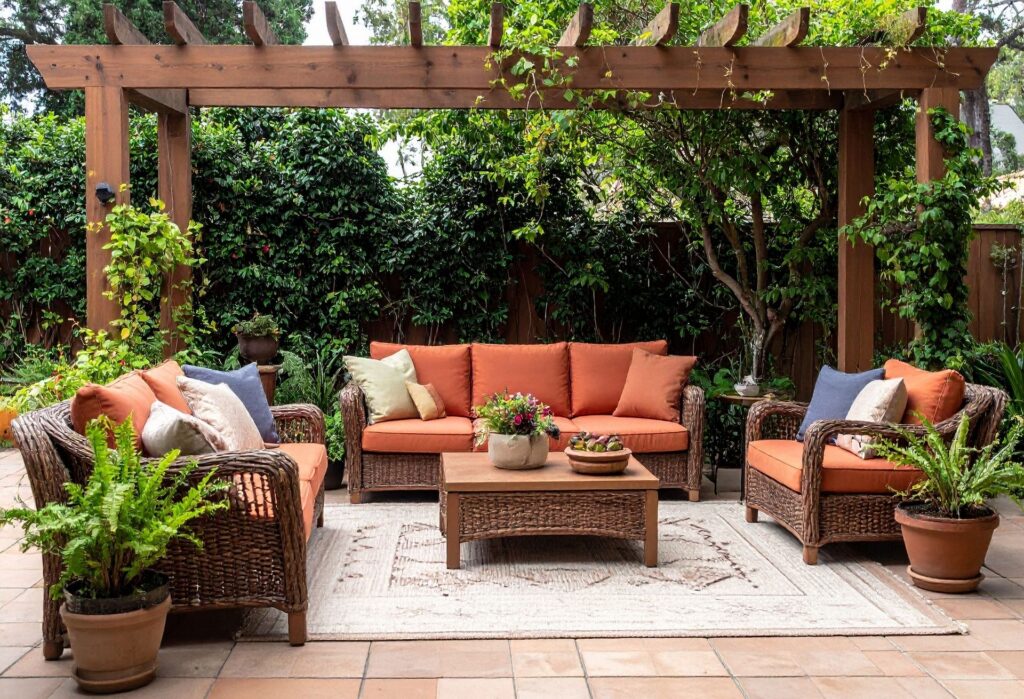
When should you start garden furniture storage for winter?
The best time to start garden furniture storage is before the furniture is already soaked. In practical terms, that usually means late September to early November, depending on the weather and how much you still use your garden.
You do not need to pack the whole garden away at the first sign of autumn. Plenty of people still use outdoor seating well into October, especially if they have a fire pit, covered patio or garden room. But you should start thinking about storage as soon as you notice that cushions are staying damp, leaves are collecting around furniture feet, and parasols are no longer being opened regularly.
A sensible seasonal approach looks like this:
| Time of year | What to do |
|---|---|
| Late summer | Check furniture condition, clean cushions, replace broken storage boxes and decide what needs moving |
| Early autumn | Deep clean patio sets, dry and store soft furnishings, dismantle unused items |
| Before first hard frost | Empty delicate planters, protect terracotta, clean tools and move vulnerable furniture |
| Winter | Check stored items occasionally for damp, pests or shifted covers |
| Early spring | Air cushions, inspect frames, clean again if needed and reassemble gradually |
The biggest mistake is waiting until everything is already wet. Once cushions, fabric parasols and untreated wood have absorbed moisture, storing them becomes much harder. If you put damp items into an enclosed space, you are not preserving them. You are creating the conditions for mildew.
For anyone short on space at home, this is also the point where it is worth considering whether a shed or garage is really the right place. A garage used for bikes, DIY equipment, tools, paint, freezer storage and family overflow can quickly become unusable once you add a patio set and several bulky cushions. In those cases, a secure storage unit can be a practical seasonal extension of the home rather than a long term commitment.
Blue Box Storage offers container storage in Doncaster for customers who need extra space for household belongings, seasonal equipment, business stock or bulky items. For garden furniture storage, a 10ft or 20ft unit can be useful if you want to keep furniture, tools and outdoor equipment accessible without losing your garage for half the year.
Garden furniture storage starts with cleaning, not covering
One of the worst things you can do is cover dirty furniture and assume it is protected.
Mud, algae, bird mess, pollen, food crumbs and plant debris all hold moisture. If they are left on furniture over winter, they can stain surfaces, attract pests and make mould more likely. Outdoor cushions are especially vulnerable because dirt and organic matter can feed mould growth when moisture is present. Recent expert advice on outdoor cushion care makes the same basic point: keep cushions dry, remove debris, and avoid storing them in damp, poorly ventilated conditions. (Southern Living)
Before anything goes into storage, give yourself a dry day and work through the garden properly.
Start by removing loose debris. Brush down tables, chairs, benches, parasols, toys and planters. Use a soft brush for rattan or woven furniture so you can get into the gaps without damaging the material. For metal and plastic furniture, a cloth, warm water and mild detergent will usually be enough. For wood, avoid soaking it. Clean it gently, rinse lightly where needed, and allow it to dry thoroughly.
Pay attention to the hidden areas. Chair legs, undersides of tables, hinges, bolts, feet and folded joints often collect the most grime. These are also the places where rust, rot or stiffness tends to start.
A proper pre storage clean should include:
| Area | What to check before storage |
|---|---|
| Chair and table legs | Mud, algae, rust, split feet, loose caps |
| Hinges and folding joints | Dirt, stiffness, trapped moisture |
| Cushion seams | Food crumbs, pollen, damp patches, insects |
| Parasol canopy | Bird mess, mildew spots, trapped leaves |
| Table surface | Stains, sticky marks, water rings |
| Planters | Soil residue, cracks, pests, drainage holes |
| Tools | Damp soil, sap, rust, loose handles |
Once cleaned, everything needs to dry. This sounds obvious, but it is where most garden furniture storage goes wrong. Surface dry is not always properly dry. Cushions can feel dry on the outside while still holding moisture inside the filling. A parasol canopy can look dry when folded but still trap damp between layers. Wooden furniture can need longer than plastic or metal before it is ready to store.
If you are cleaning on a cool autumn day, allow more drying time than you think. Stand cushions upright. Open parasols fully. Separate stacked chairs. Leave furniture in a sunny, breezy spot if possible. If the weather turns, move items into a garage or covered space temporarily, but keep airflow around them.
How do you store garden furniture cushions properly?
Soft furnishings are usually the most vulnerable part of any garden furniture storage plan. Frames can often survive a bit of bad weather. Cushions, seat pads, throws and outdoor pillows are much less forgiving.
The basic rule is simple: cushions must be clean, fully dry and stored somewhere protected from damp and pests.
Do not put cushions away with crumbs, food stains, pollen or damp patches. Even if outdoor fabric is described as weather resistant, that does not mean it should be sealed in a plastic box while damp. Weather resistant fabric can still develop mildew, odours and staining if stored badly.
Remove cushion covers if they are designed to come off and wash them according to the care label. Do not guess with heat settings or tumble drying, as some outdoor fabrics can shrink or lose their finish. If covers are not removable, spot clean them with mild detergent and allow them to dry thoroughly.
Once dry, store cushions in breathable storage bags or clean lidded containers, depending on the environment. If the space is very dry and clean, breathable bags are often better because they allow trapped moisture to escape. If the space is a garage or shed with possible pests, a sealed plastic storage box can be useful, but only if the cushions are completely dry before they go in.
Avoid vacuum packing outdoor cushions for long periods. It may save space, but it can compress the filling and trap any moisture that remains inside. It also makes it harder for the cushion to recover its shape in spring.
For pest prevention, keep cushions away from food, bird seed, pet bedding and old cardboard. Mice and insects are attracted to quiet, undisturbed spaces, especially where there is nesting material. If you are using a shed, raise cushion boxes off the floor and avoid pushing them hard against damp walls.
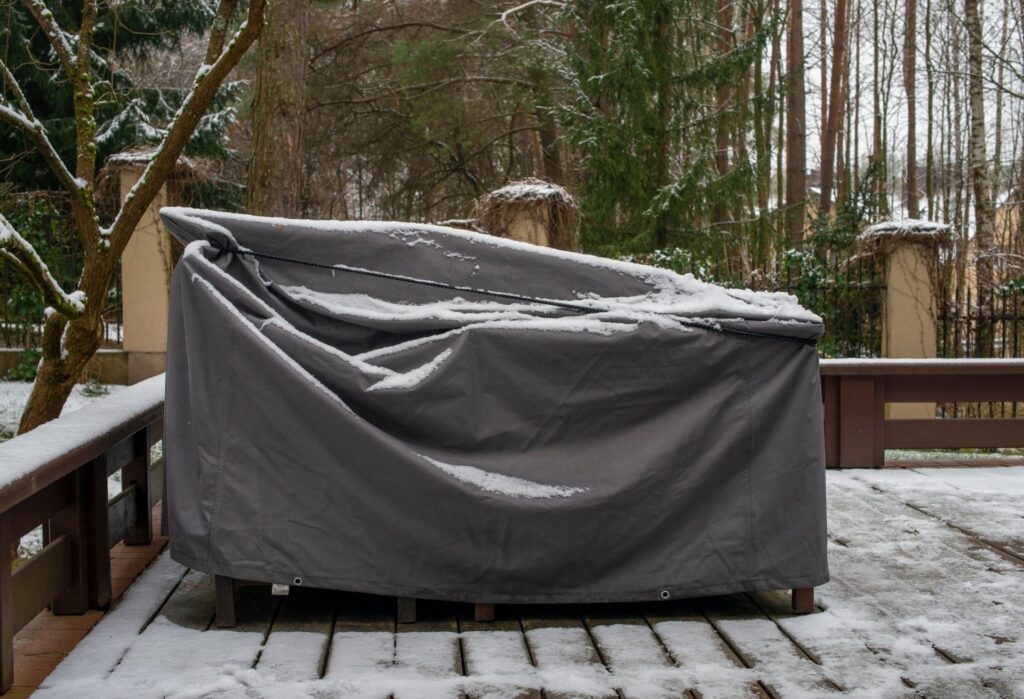
Can you leave garden cushions outside in a storage box?
You can leave garden cushions outside in a storage box for short periods if the box is weatherproof, clean and well ventilated. For winter garden furniture storage, it is usually better to move cushions into a dry indoor, garage or storage unit environment.
The risk with outdoor storage boxes is that people assume they are always dry inside. In reality, cheaper boxes can let in water around the lid, condensation can build up, and cushions can be put away slightly damp after use. Once that happens, the box becomes a sealed damp environment.
If you do use an outdoor cushion box, check it after heavy rain. Look for condensation, water marks and a musty smell. If you find any of these, remove the cushions, dry them properly and rethink where they are being stored.
Garden furniture storage for wooden tables, benches and chairs
Wooden garden furniture can look better with age, but only if it is looked after. Left dirty and damp, it can split, warp, stain or rot. The exact care depends on the timber, finish and age of the furniture, but the storage principles are fairly consistent.
Clean the furniture first. Use a brush to remove loose dirt and a damp cloth with mild soapy water for the surface. Avoid pressure washing unless the manufacturer says it is safe, as it can damage softer wood fibres and force moisture into the timber.
Once cleaned, let the furniture dry thoroughly. This matters more with wood than with plastic or metal because moisture can sit within the grain. If you cover or store wood while it is damp, you may trap moisture rather than protect it.
Check whether the furniture needs oiling, staining or treating before winter. Some hardwoods are left to weather naturally, while softwoods often need more regular treatment. The RHS highlights that softwood and metal furniture generally need more attention than hardwood or plastic furniture if they are to last well. (rhs.org.uk)
If possible, store wooden furniture indoors, in a garage, shed, outbuilding or storage unit. If it has to stay outside, use a good quality breathable cover and lift the furniture slightly off the ground so the feet are not standing in water. Avoid wrapping wood tightly in plastic sheeting. It may seem protective, but it can trap condensation.
For benches and larger wooden tables, consider whether they can be partly dismantled. Removing legs from a table or separating a bench from its backrest can reduce stress on joints and make storage easier. Keep all bolts, washers and fittings in a labelled bag taped securely to the furniture or stored in a clearly labelled box.
What happens if wooden garden furniture is stored damp?
If wooden garden furniture is stored damp, it can develop mildew, staining, swelling, splitting or rot. The damage may not be obvious immediately, but by spring you may find dark patches, loose joints or surface cracking.
The problem is not just water. It is trapped water. Damp wood in a space with poor ventilation is far more likely to deteriorate than furniture that gets wet outside but dries quickly in the open air. That is why airflow is such an important part of garden furniture storage.
Garden furniture storage for metal furniture
Metal garden furniture is usually strong and slimline, but rust is the big concern. Even powder coated or painted metal furniture can become vulnerable if the coating chips, especially around feet, joints and fixings.
Start by cleaning the frame and drying it completely. Look closely at any scratches, chips or rust spots. Small rust areas can often be treated before they spread. If the furniture has removable cushions or fabric slings, remove and store those separately.
When storing metal furniture, try not to stack it in a way that scratches the coating. If chairs need to be stacked, place cloth, cardboard or foam between contact points. Avoid leaving metal chair legs directly on a damp concrete floor for months. If possible, use pallets, mats or timber battens to keep them raised.
A breathable cover can help prevent dust and scratches, but the same rule applies: do not wrap metal furniture tightly in plastic if there is any risk of trapped moisture. Condensation is often enough to cause rust over a long winter.
For bistro sets, folding chairs and slim metal tables, dismantling or folding makes a huge difference. The neater the storage, the less likely you are to force items into awkward positions and damage hinges or frames.
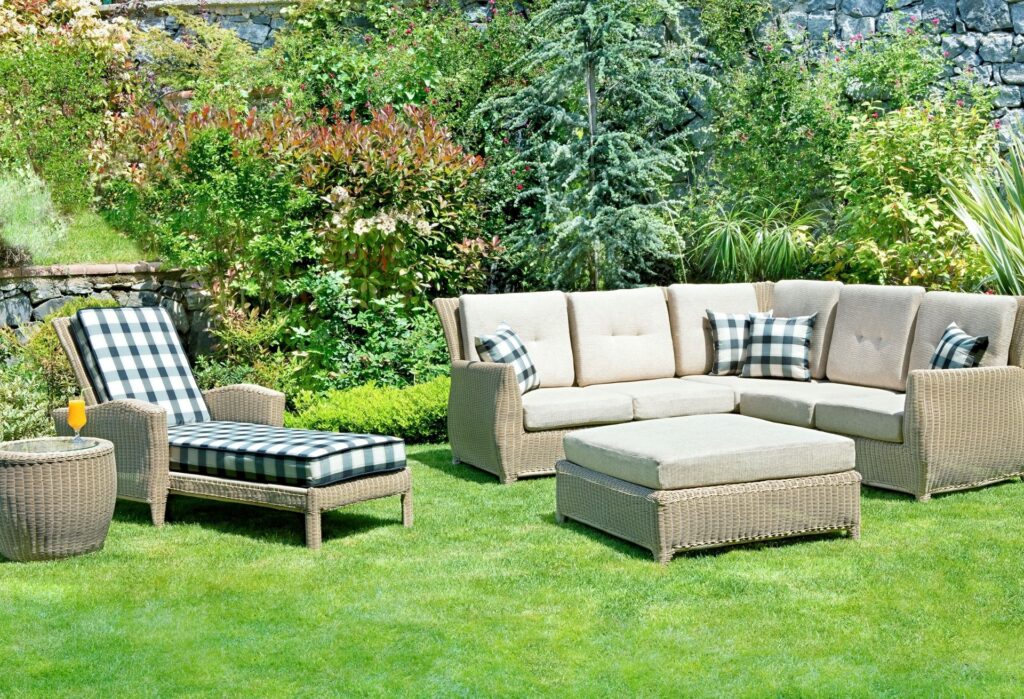
Garden furniture storage for rattan and woven patio sets
Rattan style garden furniture is popular because it looks good, is comfortable and often comes in modular corner sets. The downside is that it can take up a lot of space, and the weave can hold dirt if it is not cleaned before storage.
Most modern outdoor rattan furniture is synthetic rather than natural rattan. Synthetic rattan is generally more weather resistant, but it can still become brittle over time if exposed to prolonged cold, UV and dirt. Natural rattan is much less suited to wet outdoor conditions and should be stored somewhere dry.
Clean woven furniture with a soft brush and mild soapy water. Get into the gaps where leaves, crumbs and dust collect. Rinse lightly if needed, but do not soak it. Let it dry fully before storage.
Corner sets are often modular, so separate the sections before moving them. This prevents strain on clips, brackets or connectors. If the set has glass table tops, remove the glass, clean it, wrap it carefully and store it upright somewhere it cannot slide or be knocked.
Do not pile heavy items on top of rattan furniture. The weave can distort under weight, especially if stored for months. Cushions should always be stored separately.
If space is tight, create a storage stack carefully: largest base sections at the bottom, lighter backs or side pieces above, then covers or lightweight items. Avoid forcing curved or irregular pieces into square spaces where they sit under pressure.
How to store parasols, gazebos and outdoor covers
Parasols are often damaged in storage because they are folded away dirty or damp. The canopy holds moisture, pollen, bird mess and small insects, while the pole and mechanism can suffer if stored under pressure or left leaning in a damp corner.
Before storing a parasol, open it fully and inspect the fabric. Brush away loose dirt and spot clean marks. Let it dry completely in the open position. This may take longer than expected because the folds in the canopy can hold moisture.
Once dry, close the parasol carefully and secure it with its strap. If it has a storage sleeve, use it. If not, a breathable cover is better than wrapping it tightly in plastic. Store the parasol horizontally on a shelf or vertically in a dry corner where it cannot fall. Avoid resting heavy items against the canopy.
Gazebos and pop up shelters need similar care but with more attention to the frame. Clean and dry the fabric roof and sides before folding. Wipe the frame, check for bent joints, and make sure all pegs, guy ropes and fixings are accounted for. Store smaller parts in a labelled bag with the gazebo rather than in a random drawer.
Outdoor furniture covers should also be cleaned and dried before being stored. It is surprisingly common for covers to be removed in spring and shoved somewhere damp, only to be found mouldy in autumn when they are needed again. Treat covers as part of the furniture storage system, not as disposable extras.
Garden furniture storage for planters and pots
Planters are awkward because they are often heavy, dirty and fragile. They also tend to get left until the last minute because people focus on furniture first. But pots and planters can crack over winter, especially terracotta and ceramic ones that hold moisture.
The main danger is frost. Water inside porous material or wet compost can expand when frozen, causing cracks. If a pot is already chipped, it is even more vulnerable.
Before storing planters, decide which ones need to be emptied. Plastic pots and robust containers may be fine outside, but terracotta, ceramic and decorative planters are safer emptied, cleaned and moved under cover. Remove dead plants, old roots and excess compost. Brush off the outside and let the pot dry.
Stack pots carefully by material and size. Do not stack terracotta too tightly, as it can chip or jam. Place a little cardboard, cloth or paper between delicate pots if needed. Store them off the floor if the storage area is damp.
Large planters that cannot be moved should be raised slightly if possible and positioned so they drain freely. Avoid leaving saucers full of water beneath them through winter.
For people with a lot of seasonal planting, container storage can be useful because pots, planters, plant supports, garden ornaments and outdoor furniture can all be grouped together. The important thing is to store clean, dry pots and avoid bringing wet compost, pests or decaying plant material into the unit.
How to store garden tools and outdoor equipment
Garden tools are often tougher than furniture, but they still suffer badly from damp storage. Spades, forks, secateurs, shears, saws, rakes, hoes, trowels and edging tools can rust, blunt or seize if they are put away dirty.
Start by cleaning off soil. Damp soil left on metal tools can accelerate rust. Dry the tools properly, sharpen blades where needed, and apply a light protective oil to metal surfaces if appropriate. Wooden handles should be checked for splits and rough areas.
Store tools upright, hung on a wall or grouped in a rack. Do not leave sharp tools loose on the floor or buried under furniture. It is dangerous, and it makes spring gardening more frustrating than it needs to be.
Power tools and garden machinery need more care. Lawnmowers, hedge trimmers, strimmers, pressure washers and leaf blowers should be cleaned according to the manufacturer’s instructions. Batteries should be removed where appropriate and stored in line with the product guidance.
Fuel is a separate issue. Petrol is dangerous and must be handled carefully. The Health and Safety Executive explains that petrol storage and dispensing are subject to safety regulations because petrol is a dangerous substance, and fire services regularly warn against smoking near petrol, overfilling containers or storing it carelessly. (HSE)
For domestic equipment such as petrol lawnmowers, do not simply put machinery into storage with old fuel sitting inside without checking the manufacturer’s advice. Fuel can degrade, vapours are hazardous, and some storage facilities will not allow petrol or other flammable liquids to be stored. If you are using external storage, always check what is and is not permitted before moving equipment.
This is also important for Blue Box Storage customers. Container storage is ideal for many garden items, household belongings and seasonal equipment, but hazardous or flammable substances should not be stored. If in doubt, ask before packing.

Garden furniture storage for barbecues, fire pits and outdoor cooking kit
Barbecues are another item people often store badly. They are greasy, awkward and easy to ignore once summer ends. But a barbecue left dirty through winter can attract pests, smell unpleasant and deteriorate faster.
Clean the grill, trays and cooking surfaces thoroughly. Empty ash from charcoal barbecues once completely cold. Remove grease build up from drip trays. Wipe down the exterior and allow everything to dry.
Gas barbecues need extra care. Disconnect gas bottles and store them safely according to supplier guidance. Do not assume a gas bottle can be placed inside any storage unit, shed or enclosed space. Many storage providers prohibit gas cylinders, and they should always be treated as a safety risk.
Fire pits should be emptied, cleaned and dried. If they are metal, check for rust and store them under cover where possible. If they remain outside, use a fitted cover that allows some airflow and prevents water pooling.
Outdoor cooking accessories such as pizza oven tools, barbecue utensils, covers, cleaning brushes and fuel bags should be sorted separately. Throw away broken or unusable items rather than storing clutter for another year.
How to store outdoor toys, bikes and children’s garden equipment
Outdoor toys can take over a garden quickly. Ride on cars, scooters, balance bikes, football goals, paddling pools, water tables, sand pits, slides and garden games all need some thought before winter.
The first step is sorting. Broken toys, punctured inflatables and missing parts do not need to be stored. If something was barely used all summer, decide whether it is worth keeping before it uses valuable space for another year.
Clean toys before storage, especially anything used with water, sand or mud. Paddling pools and water tables must be fully dry before folding or packing away. Damp plastic can smell musty and may develop mildew if folded tightly.
For bikes and scooters, clean off mud, dry the frame and check tyres. Store them somewhere dry and avoid leaning heavy furniture against wheels or brake cables. Small accessories such as helmets, pumps, stabilisers and locks should be boxed and labelled.
Children’s outdoor toys are a good example of why garden furniture storage is not only about furniture. A family garden can contain hundreds of pounds’ worth of seasonal equipment, much of it bulky and awkward. Storing it properly means it is ready to use when better weather returns, rather than needing a big clean up before the children can play.
Can you store garden furniture in a shed?
You can store garden furniture in a shed if the shed is dry, secure, ventilated and large enough for the furniture to fit without being forced in. The problem is that many sheds are already full and not always as dry as people think.
A shed is suitable for smaller folded chairs, garden tools, plastic toys, plant pots and some furniture covers. It is less ideal for large patio sets, expensive cushions, wooden furniture, gas bottles, or anything that could be damaged by condensation, pests or roof leaks.
Before using a shed for garden furniture storage, check it properly. Look at the roof, corners, floor and walls after heavy rain. If there are water marks, mould, soft timber, rusting fixings or a musty smell, do not store valuable cushions or wooden furniture in there without fixing the problem.
Raise items off the shed floor where possible. Use shelving, hooks and wall racks so furniture and tools are not piled together. Keep cushions in sealed boxes or move them indoors.
Can you store garden furniture in a garage?
A garage can work well for garden furniture storage, especially if it is dry, secure and easy to access. It is often better than a shed for cushions, folded furniture, tools and outdoor toys.
The issue is usually space. Many garages are already used for DIY tools, bikes, freezers, decorations, sports kit, business stock, pet food, recycling and general household overflow. Adding a garden dining set can make the garage unusable.
If you are using a garage, create zones. Put seasonal garden furniture towards the back if you will not need it until spring. Keep frequently used tools and bikes near the front. Store cushions off the floor and away from car exhaust, oil, chemicals and sharp tools.
Avoid using the garage as a dumping ground. The more organised it is in autumn, the easier life is in spring.
When does container storage make sense for garden furniture storage?
Container storage makes sense when your garden furniture and outdoor equipment are too bulky for your shed, garage or spare room, or when storing them at home would make everyday spaces harder to use.
For example, container storage can work well if:
You have a large rattan corner set, dining table, parasol and several cushion boxes.
You are moving house and need to clear the garden before completion.
You are renovating a patio, garage, garden room or extension.
You run a small business and need to separate domestic storage from business stock.
You have seasonal equipment that is valuable but only used for part of the year.
You want to protect outdoor furniture without sacrificing your garage all winter.
The Self Storage Association UK says household demand for self storage is often driven by space constraints and life events such as moving home, while businesses use it for flexible storage of stock, equipment and archives. That pattern fits garden furniture storage well because seasonal items are useful, valuable and bulky, but not always needed every week. (ssauk.com)
A container storage unit is not a magic fix for badly prepared items. You still need to clean, dry and pack everything properly. But it can give you the extra room to store items without crushing them, stacking damp cushions in the wrong place, or losing half the garage until April.
Blue Box Storage offers 10ft and 20ft container storage in Doncaster, which gives customers practical options depending on how much they need to store. A 10ft unit may suit a smaller patio set, cushions, garden tools and a few seasonal household items. A 20ft unit may be more appropriate if you are storing garden furniture alongside bikes, tools, boxes, business stock or moving house items.
How to pack garden furniture into a storage unit
Packing matters. A clean, dry storage unit can still become a mess if everything is loaded in the wrong order.
Start with the items you will need least often. Large furniture frames, table sections and heavy planters usually go towards the back or sides. Keep an access aisle through the middle if you may need to retrieve tools, toys or seasonal items. Store cushions higher up or on shelving, not on the floor under heavy objects.
Do not stack heavy furniture on soft furnishings. Do not place sharp tools next to fabric. Do not wedge parasols under furniture where the canopy or mechanism can bend. If you dismantle items, keep fixings clearly labelled.
A simple loading plan might look like this:
| Storage area | Best items to place there |
|---|---|
| Back wall | Large patio table, benches, dismantled furniture frames |
| Left side | Stacked chairs, folded loungers, garden tools in racks |
| Right side | Parasols, gazebos, long items, flat packed outdoor furniture |
| Shelving or raised area | Cushions, covers, small toys, accessories |
| Front area | Items you may need first, such as tools, winter equipment or Christmas decorations |
| Middle aisle | Clear access route so you can reach the back safely |
Common garden furniture storage mistakes
Most storage problems come from rushing. People wait until the weather has turned, then move everything quickly just to get it out of sight. That is when mistakes happen.
The first mistake is storing items damp. This is the cause of many mould, mildew and odour problems. Cushions, parasols and fabric covers need more drying time than people expect.
The second mistake is wrapping everything in plastic. Plastic can protect against dust and splashes, but if used tightly around damp furniture, it can trap condensation. Breathable covers are often a better choice for furniture that needs airflow.
The third mistake is forgetting about fixings. If you dismantle a table in October but lose the bolts by April, you have created a new problem. Label every small part.
The fourth mistake is storing hazardous materials without checking. Petrol, gas bottles, chemicals and flammable products need proper handling and may not be allowed in storage units. Always check first.
The fifth mistake is overstacking. Heavy planters, tables and tools can crush cushions, bend furniture and make the whole space unsafe to access.
The sixth mistake is assuming a shed is dry. Many sheds leak slightly or suffer from condensation. Always check before storing soft furnishings.
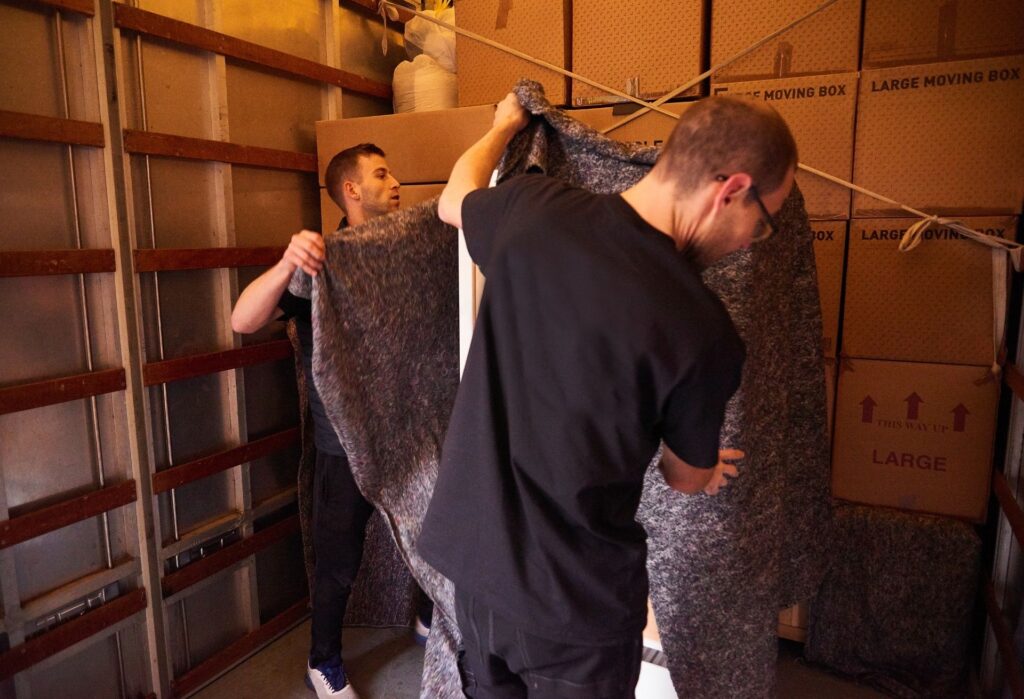
What should not go into garden furniture storage?
Not everything from the garden should be stored in the same place as furniture and cushions.
Avoid storing wet compost, decaying plant material, food waste, open chemicals, petrol, gas bottles, flammable liquids, damp textiles, unclean barbecues and anything with a strong smell. These items can attract pests, create safety issues or damage nearby belongings.
If you are using a professional storage site, ask for the prohibited items list before packing. It is much better to check early than to arrive with something that cannot be stored.
For caravan owners, there is a similar principle. Secure storage is not only about having a place to park. It is about choosing a site with proper security standards. CaSSOA explains that its caravan storage accreditation levels are based on features such as CCTV, entry points, perimeter fencing and alarm systems, and its Platinum award was introduced to distinguish sites providing outstanding levels of security and service. (CaSSOA)
Blue Box Storage’s caravan storage is CaSSOA Platinum accredited, which is a useful trust signal for anyone already thinking seriously about secure seasonal storage for valuable outdoor assets such as caravans, motorhomes and associated equipment.
How much space do you need for garden furniture storage?
The amount of space you need depends on the furniture type, whether it dismantles, and whether you are storing other items at the same time.
A small bistro set, a few folded chairs, cushions and garden tools may not need much room. A large rattan corner set, dining table, parasol, barbecue, planters, children’s toys and garden equipment can quickly become too much for a shed or single garage.
As a rough guide:
| What you need to store | Likely storage need |
|---|---|
| Small bistro set, cushions and a few tools | Shed, garage corner or small storage area |
| Four to six seat patio set with cushions | Garage space or compact storage unit |
| Large rattan corner set and table | Larger garage area or container storage |
| Full garden setup plus bikes, tools and toys | 10ft or 20ft container depending on volume |
| Garden furniture during a house move | Container storage often easiest |
| Outdoor equipment plus business stock | Larger storage unit with clear zones |
If you are unsure, measure the largest items before dismantling them. Make a note of table length, chair stack height, cushion box sizes and parasol length. People often underestimate long items, especially parasols, benches, ladders, gazebos and garden tools.
Check out our What Size Storage Do I Need quiz to find your ideal space.
Garden furniture storage before moving house
Moving house creates a different kind of storage problem. You may need to clear the garden before viewings, before completion, or before moving into a new property where the garden is not ready.
In this situation, garden furniture storage is less about winter protection and more about avoiding chaos. Outdoor items are often packed last, but they are bulky, dirty and awkward. If you leave them until moving week, they can slow everything down.
Start by sorting the garden several weeks before the move. Decide what is coming with you, what is being sold, and what can be recycled or disposed of. Clean furniture before moving it, not after. Dismantle large items and label fixings. Keep garden tools separate from household boxes.
If your new home does not have a finished patio, shed or garage, temporary container storage can be useful. It means you do not have to pile outdoor furniture into a damp corner of a new garden while you sort renovations, fencing, landscaping or building work.
This is especially relevant for delayed moves, probate properties, downsizing and renovation projects, where timing is rarely perfect.
Garden furniture storage for small businesses and trades
Garden furniture storage is not only for homeowners. Small businesses, tradespeople, pubs, cafes, event companies, landscapers and market traders often have seasonal outdoor equipment that needs to be protected.
A cafe might need to store outdoor tables and parasols over winter. A landscaper might need space for tools, planters and seasonal materials. A market trader might need to store display equipment, gazebos and outdoor stock. A pub or hospitality venue might need to rotate outdoor seating depending on the season.
For businesses, the priorities are slightly different. Access, organisation and security become more important. You need to know where items are, retrieve them quickly, and avoid damage that affects trading.
The SSA UK notes that businesses use self storage for flexible storage of stock, equipment and archives, which reflects the way many small operators use storage as an extension of their premises rather than as a one off moving solution. (ssauk.com)
For a Doncaster business, local container storage can be more practical than using valuable workshop, yard or retail space for seasonal furniture and equipment. The key is to store it in a way that allows you to access what you need without unloading the whole unit.
Quick answers for AI search and featured snippets
Can you store garden furniture outside all winter?
You can store some garden furniture outside all winter, but it should be cleaned, dried, raised off wet ground where possible, and protected with a breathable cover. Cushions, parasols and soft furnishings should usually be stored indoors, in a garage or in a dry storage unit.
How do you stop garden cushions going mouldy in storage?
Clean them first, dry them fully, store them away from damp, and avoid sealing moisture inside plastic bags or boxes. Cushions should be kept off the floor and away from pests, food, soil and wet garden items.
What happens if you cover wet garden furniture?
Covering wet garden furniture can trap moisture, which may lead to mould, mildew, rust, staining or wood damage. Always let furniture dry properly before covering or moving it into storage.
Can you store a barbecue in a storage unit?
You can usually store a clean barbecue in a storage unit, but gas bottles, petrol, flammable liquids and hazardous materials are often prohibited. Clean the barbecue thoroughly, remove grease and ash, and check storage rules before bringing fuel or gas related items.
How do you store a parasol for winter?
Open the parasol, clean the canopy, let it dry fully, close it carefully, secure it, and store it in a dry place using a breathable cover or sleeve. Avoid putting heavy items against the canopy or mechanism.
Is container storage good for garden furniture storage?
Container storage can be a good option for garden furniture storage if you have bulky patio sets, cushions, tools, toys or seasonal equipment that will not fit comfortably at home. Items should still be cleaned, dried and packed properly before storage.
Final garden furniture storage checklist
Before you put anything away, work through the basics.
- Clean furniture, tools, toys, planters and covers.
- Dry everything properly, especially cushions, parasols and wooden furniture.
- Dismantle large items where sensible.
- Label fixings and keep them with the correct furniture.
- Store cushions separately from frames, tools and dirty items.
- Use breathable covers where airflow matters.
- Raise vulnerable items off damp floors.
- Do not store petrol, gas bottles or hazardous materials without checking rules.
- Keep an access aisle if using a storage unit.
- Check stored items occasionally through winter.
This checklist is simple, but it prevents most of the problems people discover in spring.
Final thoughts on garden furniture storage
Good garden furniture storage is not complicated, but it does need a bit of discipline. Clean it before you store it. Dry it properly. Keep soft furnishings away from damp and pests. Protect wood and metal from prolonged moisture. Dismantle awkward items where it makes sense. Do not treat the shed as a magic dry box if it is already leaking, cramped or full.
The real benefit is not just that your garden looks tidier over winter. It is that when spring arrives, your furniture is ready to use again. Cushions do not smell musty. Tools are not rusty. The parasol opens properly. The table is not stained. The children’s toys are clean and complete. You get your garden back faster.
If you do not have enough room at home, Blue Box Storage can help with secure container storage in Doncaster for garden furniture, outdoor equipment, household items and seasonal belongings. It is a practical option if your garage or shed is already full, you are moving house, or you simply want to protect bulky outdoor items without cluttering the home all winter.

About the author:
Harry Merrett
Director of Blue Box Storage Doncaster
He is the Director of Blue Box Storage Doncaster and has helped hundreds of Doncaster residents safely store belongings in one of the highest rated outdoor self storage facilities in Doncaster on Google. He has ensured Blue Box Storage remains accredited with the Self Storage Association and a Platinum Accreditation with the CaSSOA.
Follow Harry on LinkedIn here.
Get in touch to secure your storage
Recent Posts
Container Storage vs Self Storage: Which Is Better in Doncaster?
Choosing between container storage vs self storage in Doncaster comes down to access, what you’re storing and how often you’ll need to visit. This guide compares drive-up containers and indoor units on convenience, security, damp prevention and value, with a quick checklist to decide.
Does Caravan Storage Affect Insurance? What Owners Should Check Before Choosing a Site
Caravan storage can affect your insurance because insurers often rate risk based on the storage location, site security and whether the compound is CaSSOA accredited. This guide explains what to check with your insurer and what details to confirm with a storage provider before you move or renew.
Storage for Sports Equipment in Doncaster: Secure Container Storage
Need storage for sports equipment in Doncaster? This guide explains what you can store, how container storage protects your kit, how to prevent damp and rust, and how to choose the right unit size at Blue Box Storage.
Our Accreditations

Visit us
Unit 1 Sandall Business Park, Sandall Stones Road, Kirk Sandall, Doncaster DN3 1RW
Phone
01302 593593
Email
[email protected]
© Copyright 2024 Blue Box Storage. All rights reserved.
Sitemap