
A well-organised kitchen makes everyday life noticeably easier. Whether you're preparing family meals, grabbing breakfast before work or trying to keep on top of the washing up, knowing exactly where everything belongs saves time, reduces stress and makes the room far more enjoyable to use. Learning how to organise a kitchen isn't about buying expensive […]
January Organisation Tips: How to Reset Your Space After Christmas

I hope you enjoy reading this blog post. If you'd like to learn more about our storage solutions click here.
Author: Harry Merrett | Director of Blue Box Storage Doncaster
Published:
January 7, 2026
January often arrives with a sense that something needs to change. After weeks of extra activity, guests, gifts, decorations and disrupted routines, many homes and workspaces feel fuller than they did just a month earlier. Cupboards are harder to close, spare rooms have lost their purpose and items that once felt manageable now seem to be everywhere.
This is why January is such a natural time to reorganise. It is not about drastic decluttering or throwing everything away. It is about resetting your space so it works for how you actually live and work, rather than how it coped during a busy period. Storage and organisation play a big role in that reset when they are used intentionally rather than as a way to hide clutter.
These January organisation tips are designed to help you take control of your space in a calm, structured way. The focus is on creating breathing room, making better decisions about what stays accessible, what can be stored and what no longer needs to take up space. Whether you are organising a home, a small flat, a family space or a business environment, the principles remain the same.
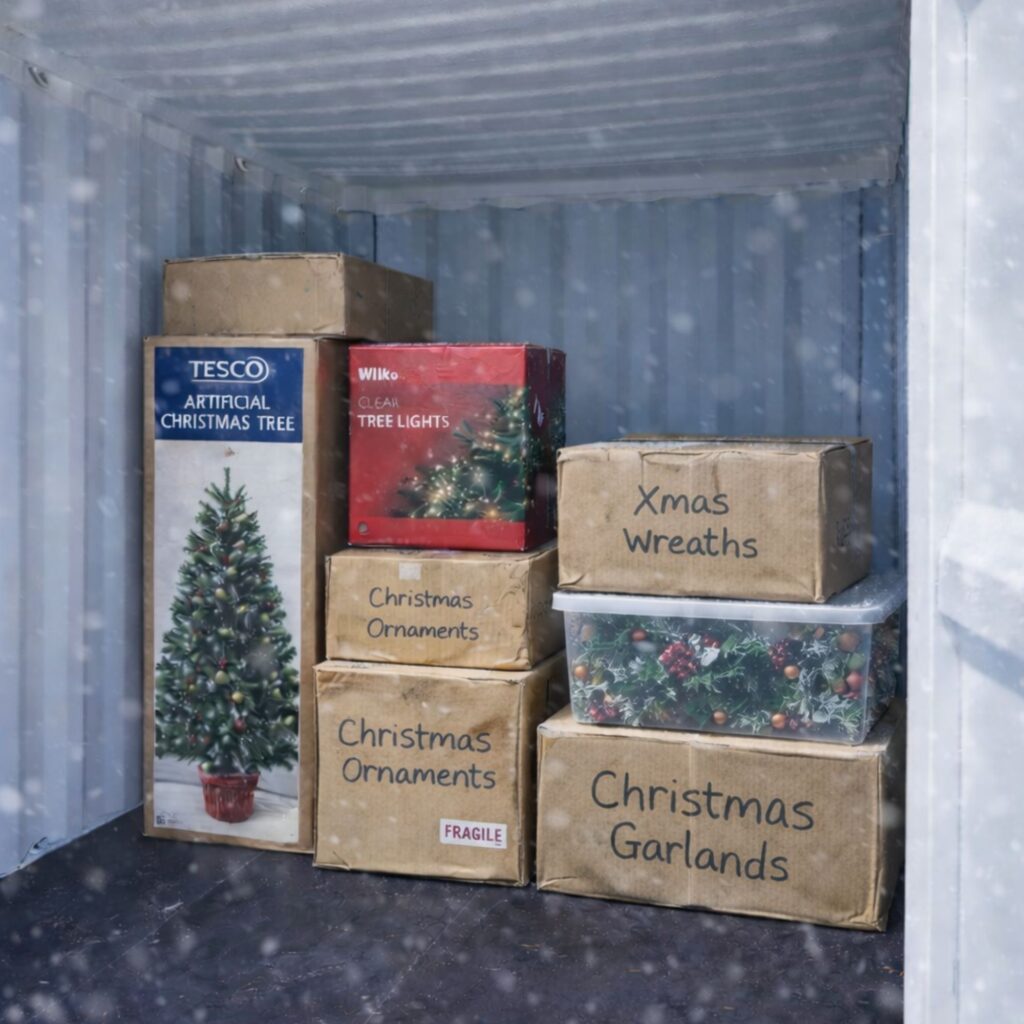
Table of Contents
Why January Is the Best Time to Get Organised
There is a reason so many people feel drawn to organising in January. Christmas temporarily shifts how space is used. Furniture gets rearranged, storage areas overflow and items are kept out simply because there is nowhere else to put them. By the time the decorations come down, the space rarely returns to how it was before.
January creates a pause. The pace slows slightly, routines begin to reappear and the contrast between cluttered spaces and how you want your environment to feel becomes more obvious. Organisation at this point is not about perfection. It is about restoring balance.
Another reason January works so well is decision clarity. After Christmas, it is easier to see which items genuinely add value and which ones were only used occasionally or not at all. Decorations, seasonal clothing, excess kitchenware and duplicate gifts often stand out clearly. This makes it easier to decide what should remain within easy reach and what does not need to occupy everyday space.
From a practical point of view, organising early in the year saves time and stress later on. When storage systems are set up properly in January, they support the rest of the year rather than becoming another problem to solve. Instead of repeatedly moving items from room to room, you establish clear homes for belongings, whether that is inside the property or stored elsewhere.
January organisation is not about doing everything at once. It is about setting foundations that make daily life simpler and our January organisation tips help you do just that.

Start With a Full Space Reset, Not Immediate Reorganisation
One of the most common mistakes people make in January is reorganising too quickly. It is tempting to start buying storage boxes or rearranging cupboards straight away, but this often leads to frustration because the underlying clutter has not been addressed. The first of our January organisation tips is all around assessing the full space, not just diving into reorganisation.
A proper reset begins with visibility. This means taking stock of what is actually in your space rather than working around it. In practice, this might involve temporarily clearing a room, a cupboard or a specific zone so you can see everything at once. When items are spread out and visible, patterns emerge very quickly.
You may notice how many similar items you own, how much space is taken up by seasonal belongings, or how many things are kept simply because they do not have a clear place. This step is not about judgement. It is about awareness.
A full reset also helps you avoid reorganising clutter into a new shape. Without removing items first, it is easy to create systems that look tidy but are still overloaded. These systems rarely last because they do not reflect how much you actually own.
By stepping back and resetting the space before reorganising, you give yourself a chance to make better decisions about what the space should do going forward.
Post Christmas Decluttering Without Overwhelm
Many January organisation tips focus on decluttering, but the real value comes from deciding what should stay accessible and what can be stored. Decluttering in January can feel daunting, especially when the space feels more crowded than usual. The key is to approach it methodically rather than emotionally. Instead of tackling everything at once, focus on categories or zones that are most affected after Christmas.
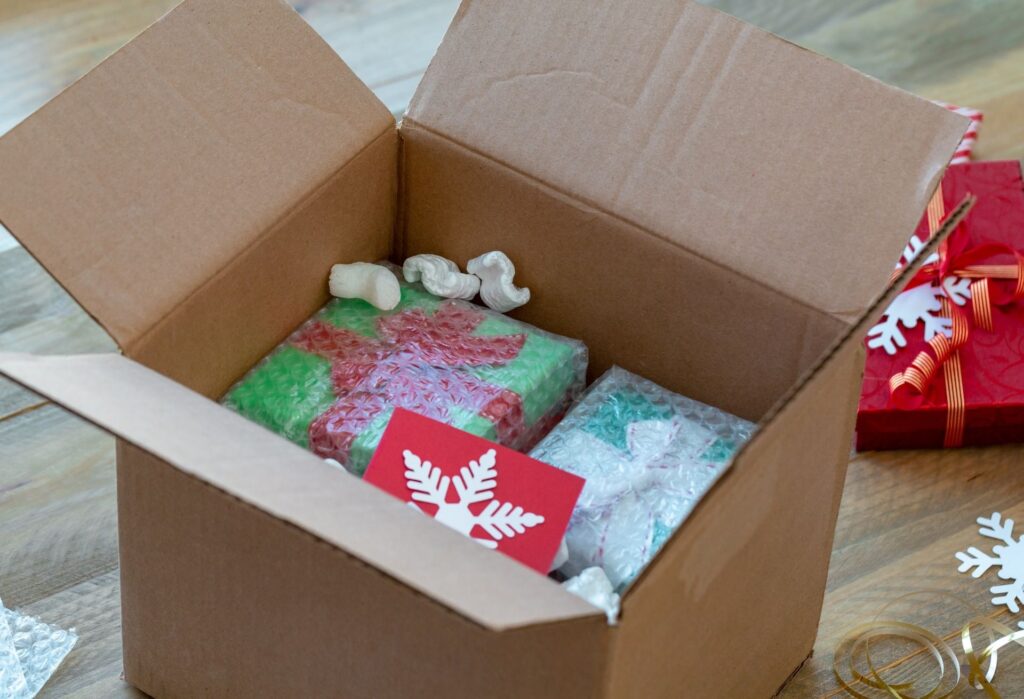
Post Christmas clutter often comes from a few predictable sources. Decorations may still be waiting to be packed away properly. Gifts and packaging may be scattered across rooms. Seasonal clothing may have displaced everyday items. Kitchens and dining spaces often hold duplicates or novelty items that are rarely used.
Rather than asking whether to keep or discard everything immediately, start by grouping similar items together. This reduces decision fatigue and makes it easier to see excess. When five versions of the same item are visible, choices become clearer.
It is also important to separate decluttering from organising. Decluttering is about deciding what you no longer need to keep in your immediate environment. Organising comes later. Mixing the two often leads to half finished systems and frustration.
Decluttering does not have to mean getting rid of everything. Some items are worth keeping but do not need to live in daily space. This is where storage becomes part of a thoughtful organisation strategy rather than a last resort.
Where Clutter Builds Up Most After Christmas
Certain areas of the home and workplace consistently struggles after Christmas. The best January organisation tips prioritise creating space that supports everyday routines, not just short term tidiness. Recognising these pressure points helps you prioritise your efforts and avoid spreading yourself too thin.
Living rooms often become storage zones during the festive period. Extra seating, decorations, toys and gift bags can linger long after they are needed. By January, the room may feel visually busy even if nothing has been added recently.
Spare rooms frequently lose their purpose. They become temporary holding areas for gifts, decorations or overflow furniture. Without a clear plan, these rooms can remain unusable for months.
Garages and lofts absorb items that do not have an obvious home. While these spaces are designed for storage, they can quickly become disorganised dumping grounds if items are added without structure.
Home offices are another common problem area. New equipment, paperwork and disrupted routines can turn a functional workspace into a cluttered one, making it harder to focus at the start of the year.
Children’s bedrooms often experience a sudden increase in toys, books and clothes. Without a reset, this can overwhelm existing storage and make the space harder to maintain.
Identifying which areas are under the most pressure allows you to focus your January organisation efforts where they will have the biggest impact.
When following January organisation tips, it helps to start with shared spaces where clutter affects daily life the most. Once you've decided where to start it's crunch time.
What to Keep, What to Store and What to Let Go
One of the most useful January organisation tips is learning to distinguish between items that need to stay accessible and those that simply need to be kept. Not everything you own needs to live in your everyday space.
Items that are used weekly or daily should remain easily accessible. These are the things that support your routine and should have clearly defined homes. Items that are used occasionally, seasonally or only for specific events can often be stored without affecting daily life.
Storing items is not the same as avoiding decisions. Storage works best when it is intentional. Items placed into storage should be labelled, grouped logically and easy to retrieve when needed. This prevents the feeling of items disappearing and reduces the chance of unnecessary repurchasing.
Letting go applies to items that no longer serve a purpose. These may be duplicates, worn out belongings or things kept out of habit rather than usefulness. January is often when this becomes most obvious because space feels more valuable.
This balance between keeping, storing and letting go is what turns organisation into a sustainable system rather than a short lived tidy up.

Smart Storage Solutions for a January Reset
Storage works best when it supports organisation rather than replacing it. In January, storage should be used to create breathing room, not to hide clutter that will resurface later. The key to our January organisation tips is actually understanding when storage is genuinely helpful and when it simply delays decisions.
Smart storage begins with purpose. Items placed into storage should fall into one of three categories: seasonal items, infrequently used but valuable items, or items being kept temporarily during a transition. When storage is used with these categories in mind, it becomes a tool for clarity rather than a source of confusion.
Seasonal items are the most obvious candidates. Decorations, outdoor furniture cushions, certain clothing and hobby equipment often only see use for a small part of the year. Keeping them accessible year round takes up valuable space that could be better used for everyday living.
Infrequently used but valuable items are another category where storage makes sense. These might include sentimental belongings, archived documents, spare furniture or equipment used for occasional events. These items do not need to be within arm’s reach but should still be stored carefully and intentionally.
Temporary storage is particularly relevant in January. Many people are transitioning between routines, reorganising rooms or planning changes later in the year. Storage provides flexibility without forcing rushed decisions.
The most effective storage solutions are those that are clearly labelled, logically grouped and easy to access when needed. This avoids the common trap of storing items and forgetting what you own.
Storage plays an important role in many January organisation tips because it allows you to protect space without discarding valuable items.
How to Organise Items Before Putting Them Into Storage
One of the most overlooked January organisation tips is that how you prepare items before storage determines whether storage actually helps in the long run. Poorly prepared storage often leads to frustration, damaged items or unnecessary repurchasing.
Before storing anything, items should be clean and dry. This prevents odours, mould and deterioration over time. Clothing should be washed and fully dried. Furniture should be wiped down and allowed to air. Appliances should be emptied and moisture removed.
Grouping items by category before storage makes retrieval far easier. Decorations should be stored together, seasonal clothing grouped by type, and equipment stored with related accessories. This avoids the need to open multiple boxes when looking for a single item later.
Labelling is essential. Labels should describe contents clearly rather than vaguely. Instead of writing “miscellaneous”, note what is actually inside and when it is likely to be used again. Adding a date or season can also help future decision making.
Packing should leave room for airflow and easy handling. Overpacked boxes become heavy and difficult to stack safely. Using consistent box sizes where possible improves stability and organisation. Check out our top packing tips for storing your items.
Taking these steps ensures storage remains a solution rather than creating a second organisational problem elsewhere.

Storage and Organisation Tips for Small Homes
January can feel particularly challenging in smaller homes, where storage space is limited and every square metre matters. Our January organisation tips here are not about adding more furniture or containers but about making deliberate choices about what stays accessible.
In small homes, visibility has a big impact. When items are left out because there is nowhere else to put them, spaces can quickly feel overwhelmed. Utilising additional self storage facilities like Blue Box Storage becomes a way to protect everyday living areas from visual clutter.
Seasonal rotation is especially useful. Items that are not needed for several months can be stored externally, freeing up cupboards and rooms for daily use. This might include seasonal clothing, sports equipment or occasional furniture.
Multifunctional storage inside the home should be used carefully. Storage furniture that becomes overloaded often loses its usefulness. External storage units allows small homes to stay flexible without sacrificing comfort.
Organisation systems in small homes need to be simple. Complex categorisation often fails because it requires too much effort to maintain. Clear zones and minimal handling work best.
January is an ideal time for small households to reassess what truly needs to live within the home and what can comfortably be stored elsewhere. But be aware, many January organisation tips fail when people try to reorganise without reducing clutter first.
Storage and Organisation Tips for Families
Families often feel the effects of post Christmas clutter more intensely than other households. New toys, clothes and shared items can quickly overwhelm existing systems, particularly in homes where storage is already stretched.
One of the most effective January organisation tips for families is to reset shared spaces first. Living rooms, kitchens and hallways affect everyone daily. Clearing these areas creates immediate relief and sets a positive tone for the rest of the home.
Children’s bedrooms benefit from a clear reset after Christmas. Excess toys can make it harder for children to engage with what they already have. Rotating toys by storing some away and reintroducing them later helps maintain interest and reduces clutter.
Clothing storage often needs attention in January. Seasonal changes, growth spurts and gifts can create overcrowded wardrobes. Sorting clothing into keep, store and donate categories helps restore order.
Family storage systems should be easy to understand and maintain. If a system is too complicated, it will quickly fall apart. Labelling and consistent storage locations help everyone know where items belong.
External storage can be particularly helpful for families managing equipment, prams, bikes or items that are not needed every day but are difficult to part with.

January Organisation Tips for Businesses
Businesses can also benefit from January organisation tips by clearing workspaces and reviewing stored stock. After a busy end of year period, many workplaces are left with excess stock, packaging, promotional materials or equipment that no longer fits into daily operations.
Organisation at this stage supports productivity and clarity. Clearing workspaces allows teams to focus and reduces time spent searching for materials. Storage becomes a strategic tool rather than an afterthought.
Businesses often benefit from separating active stock from inactive or seasonal inventory. Storing surplus items externally frees up workspace and improves safety and efficiency on site.
Document storage is another area where January organisation pays off. Archiving older paperwork and keeping only current documents accessible simplifies compliance and daily operations.
For trades and service based businesses, January is a good time to review tools and equipment. Storing spare or seasonal items securely prevents clutter in vehicles and work areas.
When used intentionally, storage helps businesses start the year with clarity, organisation and room to grow.
Common January Organisation Mistakes
Even with the best intentions, certain mistakes can undermine our January organisation tips and your efforts. One of the most common is reorganising without decluttering first. This often results in neat looking spaces that quickly revert to cluttered ones.
Another mistake is buying storage solutions too early. Without understanding what needs to be stored, new boxes or furniture can become clutter themselves. Storage should support decisions, not replace them.
Overcomplicating systems is another pitfall. Organisation systems should fit naturally into daily routines. If maintaining the system feels like work, it is unlikely to last.
Finally, many people expect organisation to be permanent. In reality, systems need adjusting as routines change. Our list of January organisation tips are a starting point, not the end result.

How to Maintain Organisation Beyond January
One of the biggest challenges with organisation is not creating order but keeping it. Many January organisation tips and resets feel successful at first, only for clutter to return gradually as routines settle back in. The key to maintaining organisation is building systems that adapt rather than resist change.
Organisation works best when it supports how you naturally use your space. If a system requires constant effort or strict rules, it will eventually be abandoned. Simple, flexible systems are easier to maintain and more forgiving when life gets busy.
A useful approach is to schedule regular reviews rather than relying on daily perfection. A short monthly check of key areas helps prevent small problems from becoming overwhelming again. This might involve checking storage areas, reviewing wardrobes or reassessing shared spaces.
Rotating stored items also helps maintain balance. Seasonal items should be brought back into use when needed and returned to storage when their purpose has passed. This keeps storage active rather than forgotten and reduces the temptation to repurchase items you already own.
Most importantly, organisation should reduce stress, not add to it. When systems feel heavy or restrictive, they often need simplifying rather than expanding. Our January organisation tips are more than just finding the right storage box, but more around how you use your items and how you can cater your home or storage space to you.
Using Storage as a Long Term Organisation Tool
Storage is most effective when it is treated as part of an ongoing organisation strategy rather than a temporary solution. The role of storage is to protect space for everyday living and working by holding items that do not need constant access.
Long term organisation benefits from clear storage boundaries. Items that are stored should have a reason for being there, whether that is seasonal use, occasional value or future plans. This prevents storage spaces from becoming unstructured dumping grounds.
Clear labelling and grouping help storage remain functional. Knowing exactly what is stored and why reduces anxiety and makes retrieval straightforward. When storage feels accessible and intentional, it supports rather than undermines organisation.
External storage also provides flexibility. It allows spaces to change function without permanent compromises. Spare rooms can become offices, garages can stay usable and workspaces can remain efficient without forcing difficult decisions about ownership.
When used well, storage becomes a stabilising element that supports organisation throughout the year. These January organisation tips focus on long term organisation rather than quick fixes that only last a few weeks.

Frequently Asked Questions About January Organisation Tips
Is January really the best time to organise?
January works well because it naturally follows a period of excess and disruption. The contrast makes it easier to identify what needs changing, but organisation can begin at any time.
Should I declutter before organising?
Yes. Decluttering first prevents you from reorganising items that no longer serve a purpose. It also makes organisation more effective and sustainable.
How do I avoid getting overwhelmed?
Focus on one area at a time. Completing small resets builds momentum and confidence without creating burnout.
Is using storage just hiding clutter?
Storage only becomes a problem when it is unplanned. When used intentionally, storage protects space and supports organisation rather than hiding issues.
What should stay accessible and what should be stored?
Items used daily or weekly should remain accessible. Items used occasionally or seasonally are good candidates for storage.
How often should I review stored items?
A yearly review works well for most people. Seasonal rotation points are also good opportunities to reassess what you still need.
A Practical Framework for January Organisation
The most effective January organisation tips follow a simple framework. First, create visibility by resetting the space. Second, reduce volume by decluttering thoughtfully. Third, organise what remains based on actual use. Fourth, store items intentionally rather than by default.
This framework avoids rushing and keeps decisions grounded in how you live or work. It also allows organisation to evolve rather than becoming rigid.
January is not about achieving perfection. It is about restoring balance and creating systems that support the year ahead.

January Organisation Tips Conclusion
January offers a natural opportunity to reset your space after Christmas and rethink how your environment supports daily life. By approaching organisation calmly and intentionally, you can create space without pressure or drastic change.
The most successful January organisation tips focus on clarity rather than control. When items have a clear place, when storage is used thoughtfully and when systems are flexible, organisation becomes easier to maintain.
Storage plays an important role in this process. Used correctly, it creates breathing room, protects valuable items and supports long term organisation without overwhelming your space.
A January reset does not need to be dramatic. With the right approach, it can be practical, achievable and genuinely lasting. When used consistently, January organisation tips help create a more organised space that lasts well beyond the winter months.
If you're looking for additional storage in Doncaster, Blue Box Storage can help.

About the author:
Harry Merrett
Director of Blue Box Storage Doncaster
He is the Director of Blue Box Storage Doncaster and has helped hundreds of Doncaster residents safely store belongings in one of the highest rated outdoor self storage facilities in Doncaster on Google. He has ensured Blue Box Storage remains accredited with the Self Storage Association and a Platinum Accreditation with the CaSSOA.
Follow Harry on LinkedIn here.
Get in touch to secure your storage
Recent Posts
How To Organise Clothes In Your Wardrobe: Practical Tips For A Tidier Home
If you've ever stood in front of a wardrobe full of clothes and still felt like you had nothing to wear, you're certainly not alone. An overcrowded wardrobe can make getting dressed feel frustrating, waste valuable time each morning and even lead to buying clothes you already own because you simply can't find them. Learning […]
Vehicle Storage Solutions: How To Keep Your Vehicle Safe When It's Not In Use
Whether you're moving house, heading overseas for work, making room on the driveway or protecting a cherished classic car, finding the right vehicle storage solutions can make life much easier. Leaving a vehicle unused for weeks or months is rarely as simple as parking it up and walking away. Batteries lose charge, tyres can develop […]
How To Protect Furniture During A Home Renovation
Home renovations are exciting. New kitchens, larger living spaces, loft conversions and home extensions can dramatically improve how a property looks and functions. The problem is that most homeowners focus heavily on the finished result and underestimate the disruption that happens during the building process itself. Dust, debris, moisture, accidental knocks and constant foot traffic […]
Our Accreditations

Visit us
Unit 1 Sandall Business Park, Sandall Stones Road, Kirk Sandall, Doncaster DN3 1RW
Phone
01302 593593
Email
[email protected]
© Copyright 2024 Blue Box Storage. All rights reserved.
Sitemap