
A well-organised kitchen makes everyday life noticeably easier. Whether you're preparing family meals, grabbing breakfast before work or trying to keep on top of the washing up, knowing exactly where everything belongs saves time, reduces stress and makes the room far more enjoyable to use. Learning how to organise a kitchen isn't about buying expensive […]
What Size Storage Unit Do I Need?

I hope you enjoy reading this blog post. If you'd like to learn more about our storage solutions click here.
Author: Harry Merrett | Director of Blue Box Storage Doncaster
Published:
June 25, 2025
Choosing the right storage unit can feel overwhelming, especially if it is your first time using self storage. With so many options available, knowing where to start can be tricky. The most common question people ask is simple: what size storage unit do I need?
This in-depth guide will help you answer that question with confidence. Whether you're preparing to store belongings for a house move, clearing space for renovations, or need a secure place for business stock, this blog walks you through everything you need to know to find the perfect size storage unit for your needs.
Table of Contents
Understanding Your Storage Needs
Before we look at unit sizes, it is important to understand what you actually need storage for. Your purpose will shape the amount of space you require and how you organise it.
Some people need short-term storage during a move, while others might want long-term space for business equipment or personal belongings. The first step is to get clear on your goals: are you looking for space-saving solutions or a secure holding area for items you’ll need regular access to?
Estimating the volume of your belongings can be harder than it seems. Even a modest one-bedroom flat can fill a surprising amount of space once everything is boxed and packed.
Think about how many rooms you are storing, the types of items involved, and whether any of them are unusually bulky or fragile. Also consider whether you want to leave aisles for access or simply pack things tight and shut the door until needed.

What Size Storage Unit Do I Need For Every Storage Solution
People use self storage for all sorts of reasons, from life transitions to growing businesses. Many first-time users wonder what size storage unit do I need when planning a house move or renovation project. Below are ten of the most common situations where storage comes in handy, along with guidance on how much space you’re likely to need.
1. Moving House
Moving house often involves a gap between leaving one property and entering another. A storage unit offers a secure and flexible way to hold your belongings during the transition.
Typical items stored: Furniture, boxes, white goods, garden tools
Recommended size storage unit: 10ft for flats, 20ft for 2–4 bedroom homes
2. Renovating or Decorating
During major home improvements, it’s often easier (and safer) to remove furniture and personal belongings altogether. Storage gives you breathing room while protecting your items from dust and damage.
Typical items stored: Sofas, appliances, wardrobes, mattresses, boxes
Recommended size storage unit: 20ft container for full-room or whole-home renovations
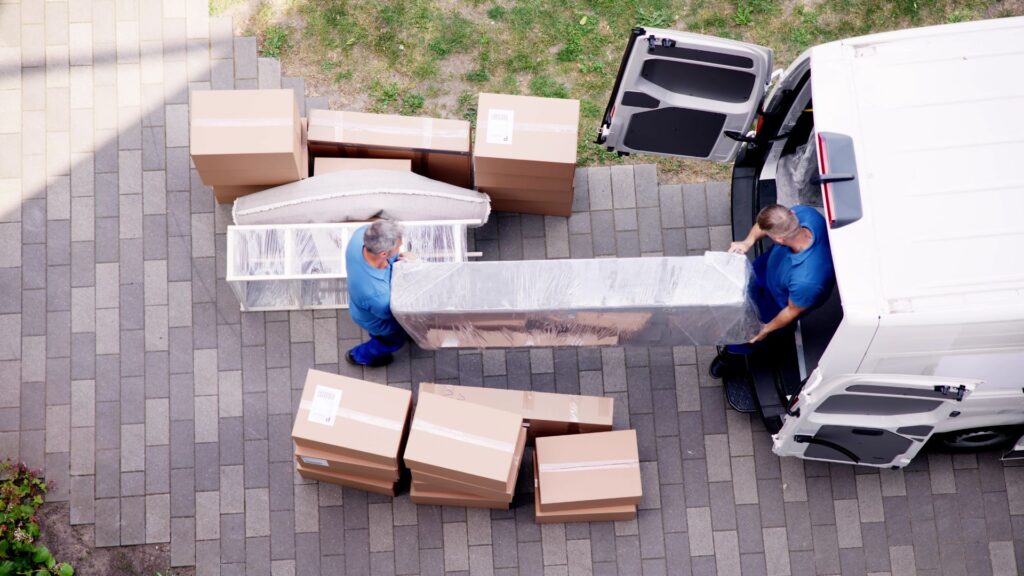
3. Decluttering Before Selling
If you're preparing your home for sale, decluttering and removing excess furniture can help buyers see the space more clearly. A short-term storage unit lets you depersonalise and stage your home more effectively.
Typical items stored: Extra chairs, personal decor, books, toys, gym equipment
Recommended size storage unit: 10ft container is usually enough for a light declutter
4. Student Term-Time Storage
Students moving between halls, placements, and summer holidays often need a reliable place to store their belongings during breaks. A compact container keeps everything safe between terms.
Typical items stored: Bedding, clothes, kitchenware, books, sports equipment
Recommended size storage unit: 10ft container or shared space if split with friends
5. Business Stock or Equipment
Small business owners often need additional storage space that isn’t tied to costly commercial property leases. Self storage provides flexible inventory or equipment storage with easy access.
Typical items stored: Boxes of stock, promotional materials, tools, pallet loads
Recommended size storage unit: 10ft for small businesses, 20ft for growing or seasonal operations
6. Life Transitions (Divorce, Bereavement, Separation)
Difficult life events can require fast, secure storage while living arrangements or legal matters are sorted out. Having a temporary space gives you time to make thoughtful decisions.
Typical items stored: Furniture, clothing, personal keepsakes, important documents
Recommended size storage unit: 10ft or 20ft depending on volume and time needed
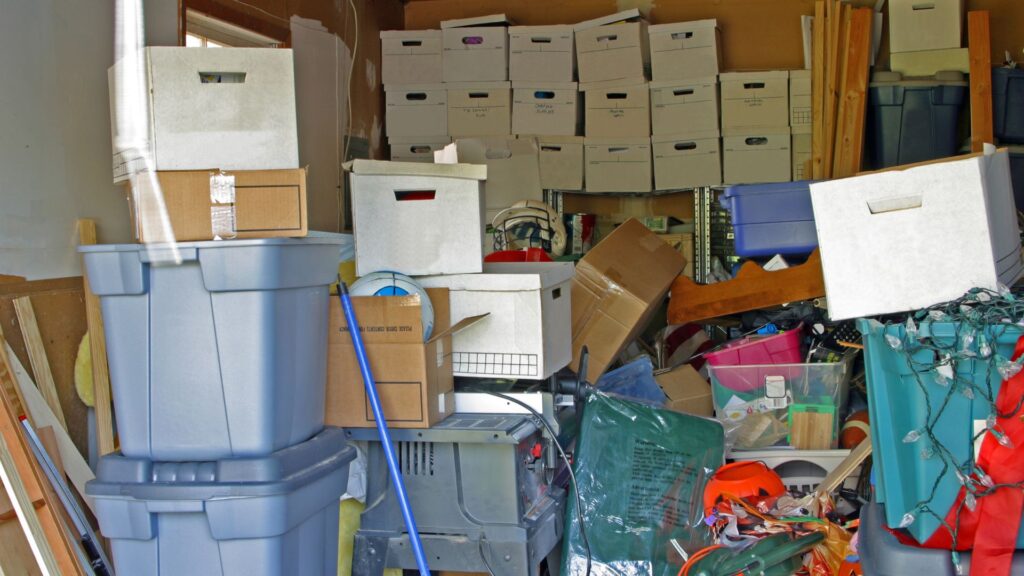
7. Garage or Loft Clearance
If your garage or loft is bursting at the seams, storage gives you back control of your home. It’s especially helpful for seasonal items or anything you don’t need year-round.
Typical items stored: Christmas decorations, old furniture, bikes, sports gear
Recommended size storage unit: 10ft container suits most clear-outs
8. Travelling or Working Abroad
If you're going abroad for work or extended travel, storage offers a secure solution to protect your belongings in your absence. It's easier than asking friends or family to hold onto your things.
Typical items stored: Home contents, electronics, clothes, suitcases, small furniture
Recommended size storage unit: 10ft for single individuals, 20ft for couples or families
9. Storing a Vehicle or Motorcycle
A storage container can be an excellent option for keeping a car, van, or motorbike safe when not in use. It’s also ideal for spare parts, accessories, or hobby projects.
Typical items stored: Vehicle, tyres, tools, car parts, riding gear
Recommended size storage unit: 20ft container for cars, 10ft for motorcycles or part
10. Running an Online Shop (eBay, Etsy, Amazon)
Home-based sellers often outgrow their spare room or garage. Using storage helps keep business stock organised and separate from your living space.
Typical items stored: Packaged stock, shelving units, shipping materials
Recommended size storage unit: 10ft for side hustles, 20ft for full-time sellers
Storage Volume Guide by Room Type
When planning for self storage, it often helps to think in terms of rooms rather than individual items. Estimating how much space each room’s contents will take up makes it easier to choose the right unit.
From small studio flats to full family homes, different living spaces come with different storage needs. Below is a guide to help you match your home layout to the right storage unit size.
Here’s a room-by-room storage unit size approximation:
| Contents | Estimated Space Needed | Recommended Container |
|---|---|---|
| Studio or small 1-bedroom flat | 50–75 sq ft | 10ft |
| 1-bedroom flat or small office | 75–100 sq ft | 10ft |
| 2-bedroom house | 100–150 sq ft | 20ft |
| 3–4-bedroom house | 150–200 sq ft | 20ft |
| Garden shed or garage contents | 30–80 sq ft | 10ft |
| Vehicle parts or commercial tools | 80–160 sq ft | 20ft |
How to Estimate the Space You Need
If you’re wondering what size storage unit do I need, the answer often comes down to a simple but thoughtful assessment of your belongings. You don’t need to be an expert in logistics or spatial awareness to get it right, just follow a clear and practical process.
Accurately estimating how much space you’ll need helps avoid overpaying for unused square footage or underestimating the amount of room required. By breaking it down into manageable steps, you can plan your storage with confidence and avoid last-minute surprises on moving day.
Here’s a step-by-step guide to help you calculate what size storage unit do you need:
Step 1: Make a Full Inventory
To determine what size storage unit do I need, start by making a full inventory of your belongings. Start with a thorough list of everything you intend to put into storage. This should include large items like beds, sofas, wardrobes, desks, and appliances, as well as smaller items such as kitchenware, electronics, and storage boxes.
Group similar items together so you can estimate how they’ll stack or fit in the space. Be honest with yourself about quantity, underestimating just a few items can lead to needing more space than you thought. Try to record not only what the item is, but also whether it’s stackable, fragile, or requires special protection.

Step 2: Measure the Bulky Items
Once you’ve listed out your items, take rough measurements of the largest and most awkward ones. This includes things like mattresses, bookshelves, armchairs, bicycles, and white goods such as washing machines or fridges.
You don’t need exact dimensions for every box, but understanding how much floor area these larger items will occupy helps you visualise how they’ll fit into the container. Keep in mind that you’ll be stacking vertically as well as arranging across the floor, so consider the full volume rather than just surface area.
Step 3: Think About Access
Consider how often you’ll need to get into your storage unit and whether certain items need to remain accessible. If you’re planning to pack it and leave it until you’re ready to unload, you can maximise space by filling every corner and stacking tightly.
On the other hand, if you’ll need to access seasonal stock, tools, or documents regularly, it’s smart to leave a narrow walkway or keep frequently used items near the front. This will slightly increase your space requirement, but it makes your unit far more practical over time.
Step 4: Consider Future Additions
One of the most overlooked parts of planning for storage is thinking about what you might need to add later. Whether you’re moving house and haven’t fully packed yet, or running a small business with stock that fluctuates, it’s worth allowing some buffer space.
Going a size up now could save you from needing to rent a second unit or repack your existing one later on. This is especially relevant for long-term storage or ongoing business use where space requirements evolve over time. It’s better to have a little breathing room than to run out unexpectedly.
Step 5: Visualise the Layout
Once you’ve listed and measured your items, try sketching out a rough layout or imagining how everything will fit. Think in terms of layers, large flat furniture at the base, then boxes and lighter items stacked higher.
Use online visual guides or even masking tape at home to map out floor space. This can help bring the numbers to life and give you a more realistic sense of what a 10ft or 20ft container actually looks like filled. You can also view storage containers in person at our Doncaster site for additional reassurance.

From business equipment to family furniture, knowing what size storage unit do I need is essential for staying organised and within budget.
Maximising Space Inside Your Storage Unit
Getting the right size is important, but so is using that space wisely. With careful planning and clever packing, you can fit more than you might think.
- Use same-size boxes to create stable, stackable rows.
- Disassemble bulky furniture like beds and tables. Store the screws in a labelled bag taped to each item.
- Stack strategically, with heavy items at the bottom and lighter ones on top.
- Leave space to walk if you’ll be accessing your unit regularly.
- Use furniture drawers and suitcases to store smaller items efficiently.
Need more help with preparation? Read our full moving home storage tips guide.
Why Getting the Size Right Matters
Once you have identified your need, the next step is making sure you choose the right size. It may seem obvious, but size has a direct impact on both cost and practicality.
If you go too small, you risk damaging items by overstacking or having to rent a second unit. Go too large, and you pay more than necessary for empty space. A properly sized storage unit saves money, keeps your items protected, and helps you stay organised.
You can avoid common storage mistakes by understanding what size storage unit do I need based on volume, frequency of access, and type of items.
What Sizes Are Available at Blue Box Storage?
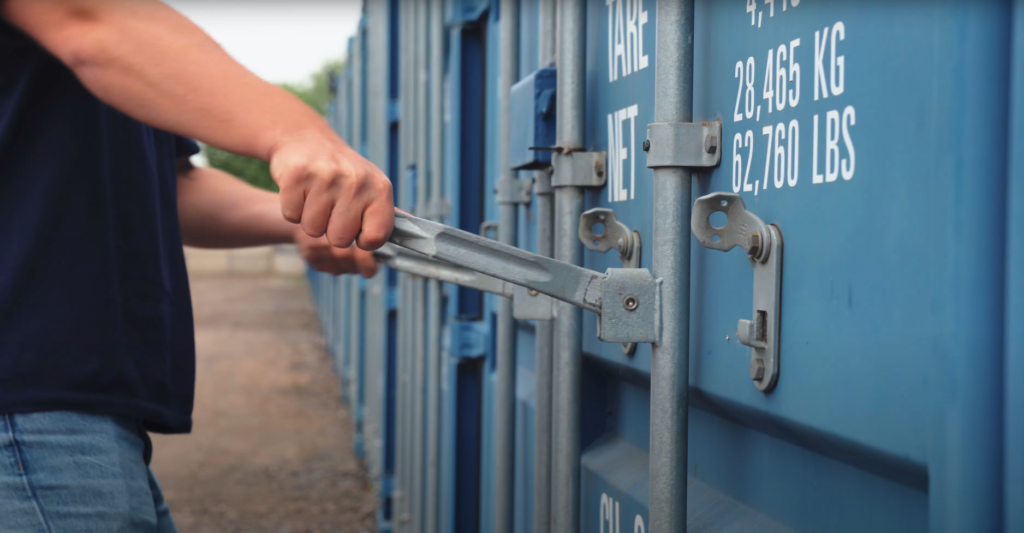
At Blue Box Storage, we believe in keeping things simple. That is why we offer just two container sizes: 10ft x 8ft and 20ft x 8ft. These cover nearly all personal and business storage needs while keeping your decision-making straightforward.
Both sizes are housed in our secure Doncaster facility with 24/7 CCTV, gated access, and easy drive-up convenience. Whether you're storing furniture, tools, stock or seasonal items, we've got a clean, dry and dependable space ready for you.
10ft x 8ft Storage Container
- Internal Area: Around 80 square feet
- Typical Uses: 1-bedroom flat, garden tools, bicycles, student items, compact business stock
- Popular With: Tradespeople, students, online sellers, short-term movers
20ft x 8ft Storage Container
- Internal Area: Around 160 square feet
- Typical Uses: Contents of a 3–4 bedroom home, large furniture, bulk business inventory
- Popular With: Families, long-term renters, renovation projects, commercial users
Learn more about these sizes on our container storage page, where you’ll also find pictures, advice, and contact options.
Compare Blue Box Storage Unit Sizes Side by Side
It’s often easier to understand the difference in size when it’s laid out visually. Below is a quick reference table to compare what each container offers and who they suit best.
| Feature | 10ft Container | 20ft Container |
|---|---|---|
| Approximate Area | 80 sq ft | 160 sq ft |
| Best For | 1-bed flat, small-scale business items | Full house contents, large or bulky equipment |
| Common Users | Students, online sellers, light trades | Families, SMEs, renovation projects |
| Access Options | Drive-up access, 24/7 CCTV | Drive-up access, 24/7 CCTV |
| Security | Yes | Yes |
Still Wondering What Size Storage Unit Do I Need?
It’s completely normal to still feel unsure after researching. You may be balancing different items, timelines or budget constraints.
The good news is we are here to help. You can call our team for advice, visit our site to see units in person, or even send us a list of what you plan to store so we can guide you directly.
If in doubt:
- Go with a 10ft container if you’re storing the contents of a small flat, a few pieces of furniture, or compact business stock.
- Choose a 20ft container for a family home, large commercial stock, or bulky items like white goods, tools, and vehicles.
Finding The Right Storage Solution For You
Choosing the right storage size does not have to be complicated. With the right information and a bit of planning, you can make the most of your space and your budget.
At Blue Box Storage, we offer more than just secure containers. We provide advice, support, and straightforward pricing to make storage work for you.
Speak to Our Team or Book Today
Now that you know the answer to what size storage unit do I need, it’s time to take the next step. Whether you want to reserve a container or just chat about your options, we’re happy to help.
📞 Call us on 01302 593593
📍 Visit our facility in Doncaster
💬 Get in touch via our quick online form
🔗 Or head to our Container Storage page for more info
Let us help you find the perfect space.

About the author:
Harry Merrett
Director of Blue Box Storage Doncaster
He is the Director of Blue Box Storage Doncaster and has helped hundreds of Doncaster residents safely store belongings in one of the highest rated outdoor self storage facilities in Doncaster on Google. He has ensured Blue Box Storage remains accredited with the Self Storage Association and a Platinum Accreditation with the CaSSOA.
Follow Harry on LinkedIn here.
Get in touch to secure your storage
Recent Posts
How To Organise Clothes In Your Wardrobe: Practical Tips For A Tidier Home
If you've ever stood in front of a wardrobe full of clothes and still felt like you had nothing to wear, you're certainly not alone. An overcrowded wardrobe can make getting dressed feel frustrating, waste valuable time each morning and even lead to buying clothes you already own because you simply can't find them. Learning […]
Vehicle Storage Solutions: How To Keep Your Vehicle Safe When It's Not In Use
Whether you're moving house, heading overseas for work, making room on the driveway or protecting a cherished classic car, finding the right vehicle storage solutions can make life much easier. Leaving a vehicle unused for weeks or months is rarely as simple as parking it up and walking away. Batteries lose charge, tyres can develop […]
How To Protect Furniture During A Home Renovation
Home renovations are exciting. New kitchens, larger living spaces, loft conversions and home extensions can dramatically improve how a property looks and functions. The problem is that most homeowners focus heavily on the finished result and underestimate the disruption that happens during the building process itself. Dust, debris, moisture, accidental knocks and constant foot traffic […]
Our Accreditations

Visit us
Unit 1 Sandall Business Park, Sandall Stones Road, Kirk Sandall, Doncaster DN3 1RW
Phone
01302 593593
Email
[email protected]
© Copyright 2024 Blue Box Storage. All rights reserved.
Sitemap