
A well-organised kitchen makes everyday life noticeably easier. Whether you're preparing family meals, grabbing breakfast before work or trying to keep on top of the washing up, knowing exactly where everything belongs saves time, reduces stress and makes the room far more enjoyable to use. Learning how to organise a kitchen isn't about buying expensive […]
Running Out Of Space At Home? Why Your House Feels Smaller And How To Reclaim Your Space

I hope you enjoy reading this blog post. If you'd like to learn more about our storage solutions click here.
Author: Harry Merrett | Director of Blue Box Storage Doncaster
Published:
February 17, 2026
The Complete Doncaster Guide To Reclaiming Space Without Rushing Big Decisions
If your house is starting to feel smaller than it used to you might be running out of space at home. If your living rooms feel like a jumbled mess of storage boxes or baskets or if your handy hidden storage hack is now overflowing with board games you've never played then you might be feeling like looking for a larger place.
Before you look at Rightmove, it is worth stepping back and properly evaluating what is going on.
We've created this guide on reclaiming your space to give you the breathing room you might need in your home. We break down what is actually causing that feeling of pressure, how modern living has changed the way we use our homes, and what realistic options you have. We will look at whether moving is justified, whether extending makes sense, and when external storage is a practical solution rather than a last resort.
By the end, you should be able to decide whether you genuinely need more house, or simply more breathing room.
Table of Contents
Why Does My House Feel Smaller Than It Used To
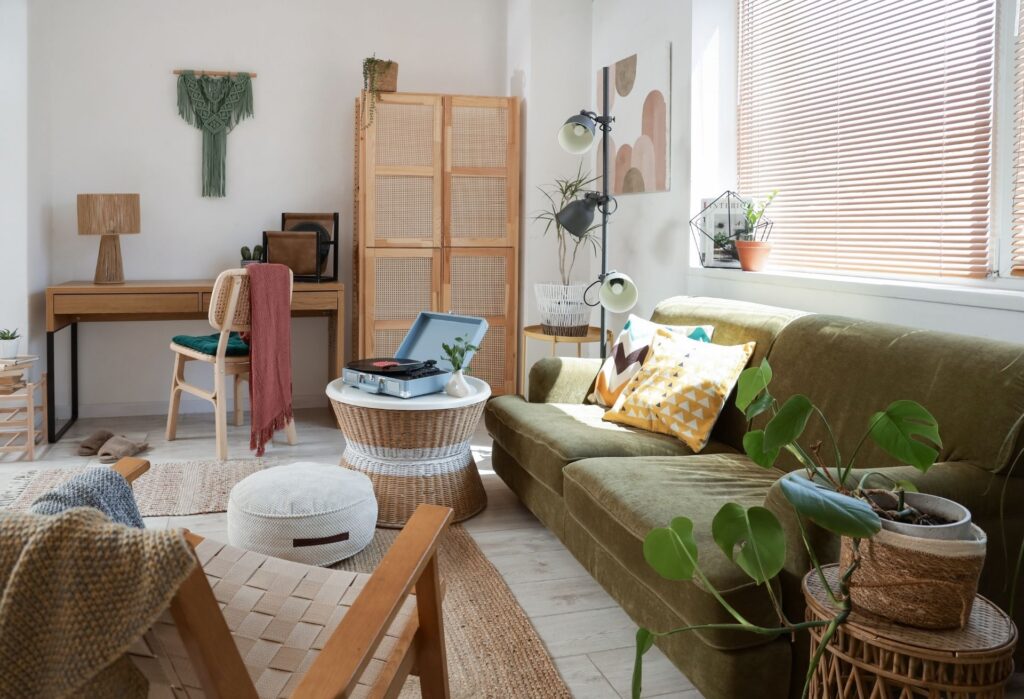
Well if you are living in Doncaster or the surrounding villages, you're not alone. Over the years we've been active we've seen families homes that once felt perfectly adequate begin to feel stretched and cluttered. What most people describe as clutter is often just the first stage of running out of space at home. We've boiled it down to four key reasons UK homes feel smaller today than they did even a decade ago.
- We Own More Than Previous Generations
Household consumption has grown significantly over the past twenty years. Online shopping, fast furniture cycles, home fitness equipment, gaming systems, seasonal décor and hobby related purchases have increased the volume of items entering homes. For example, hobbies that once lived outside the home, such as gym training or gaming, now take up permanent space inside it.
While national retail data varies by sector, long term consumer trend analysis consistently shows that UK households now own more physical goods per capita than in previous decades.
With that increase in volume of belongings, have house sizes actually increased?
- The Average UK Home Is Relatively Small
According to data published by the Office for National Statistics, the average UK home measures roughly 90 square metres. This varies by region and property type, but by European standards the UK sits towards the lower end of floor area averages.
Research comparing Western European housing sizes regularly shows that new build homes in the UK are among the smallest in comparable economies.
In Doncaster, you will find a mix of older terraced housing, mid century semis and newer estate developments. According to their developers, many of these properties offer "efficient layouts", but internal storage space is often limited.
With the data showing three bedroom homes built in the past 15 to 20 years can measure under 85 square metres, it's easy to see why homes are feeling more cramped than ever.
It's more common now to see only minimal built in cupboards, unboarded loft spaces and mini garages not big enough for cars or vehicles.
- Working From Home Has Permanently Altered Space Use
Before 2020, many spare bedrooms were genuinely spare but today, hybrid and remote working styles are embedded across multiple sectors in the UK workforce.
What was once a spare bedroom that actually had a bed and a few small furnishings now is a fully fledged office space with desks, monitors, chairs, filing cabinets and let's not forget all with a nice plain backdrop for virtual meetings.
For those without a space room, dining areas double as temporary workstations. Causing more clutter and office equipment left out in the place where the family is supposed to gather together for mealtimes. It's a lot harder to have a proper evening meal whilst peering around a printer!
With the rise of small businesses or side hustles in recent years, homes are also doubling up as stock storage or photo studios for Vinted sales or micro businesses.
The home was not originally designed to function as a workplace and that shift alone has made properties feel smaller.
- Life Transitions Create Temporary Pressure
Then, probably the most common reason we see that people run out of space quickly is within big life changes. Like having a new baby, a house renovation or extension and most commonly a house move.
These changes put a lot of pressure on having more in the home itself. Prams, cots, changing tables, more clothing all need a space to live and if you're doing building work then your belongings either have to live in other rooms or risk getting damaged.
Not only do all these factors create stress within the home, if you don't have a solution, it's a never-ending nightmare.

The Psychological Weight Of Clutter
When space starts to disappear, it is not just the physical layout that changes. The home feels different too.
When running out of space, you might notice you feel more irritated than usual. You avoid opening certain cupboards because you know something will fall out. You shift things from one surface to another rather than actually putting them away and your daily routine becomes a game of storage Tetris.
The truth is, clutter changes how we experience a room. A clear room feels bigger. A crowded room feels tighter, even if the dimensions are exactly the same. There are lots of interior design tactics to help avoid the crowded feeling like having more mirrors in the house, additional furniture or building smarter internal storage. However, it's still more stuff in your house, not to mention the price.
And this is where most people jump straight to the big question.
We Are Running Out Of Space At Home - Do We Need To Move?
When you feel like you're running out of space at home, moving home seems like the obvious answer. A bigger kitchen. An extra bedroom. More built in storage.
But before you start calculating how much your home is worth and browsing listings, it is worth looking at the numbers properly.
Let’s say you currently live in a three bedroom semi in Doncaster and feel you need more space. You start looking at four bedroom homes in the same area.
On top of the difference in property price, you will typically face:
- Estate agent fees
- Solicitor fees
- Survey costs
- Removal costs
- Potential stamp duty
- And in many cases, a larger mortgage commitment
Even a modest step up in property size can easily cost tens of thousands once everything is added together. That is before you factor in the stress of viewings, chains and moving timelines.
If your family genuinely needs an extra bedroom or you want to change area completely, moving may make sense.
But if what you are feeling is pressure from belongings rather than layout, there are other ways to solve the problem. Not everything that creates clutter should be thrown away. Take Christmas decorations for example, they're only used for about a month a year but you're not going to buy brand new ones every December. If you're running out of space at the same time every year it might be an easier fix than you think. So then it comes down to storage location.
Storage is the Solution
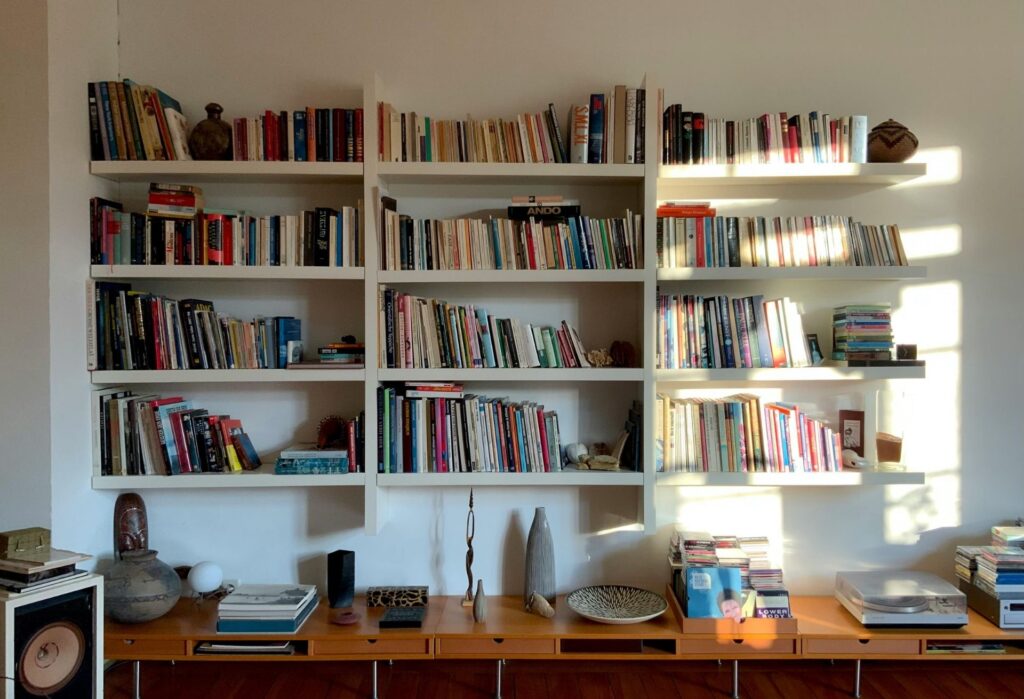
So your house is cluttered but you have questions. How do I solve it? What can I do when running out of space? Is it cheaper to move or just get a storage unit? What about if I'm moving or extending?
According to the Self Storage Association UK, the most common reasons people use storage in the UK are moving house, lack of space and renovation.
These are just some of the common concerns we see with customers when choosing to reclaim their space.
Is It Cheaper To Move House Or Use Storage?
Once a home starts to feel cramped, most people jump straight to the biggest solution first. A larger property. An extension. A conversion.
Container storage locally can start from around £90 per month. That works out at just over £1,000 per year.
Even if you used storage for two years while you figured out your next move, that is still a fraction of the transaction costs of moving house.
| Option | Typical Upfront Cost (Doncaster Example) | Ongoing Financial Impact | Time Disruption | Flexibility Level |
|---|---|---|---|---|
| Move Home | £15,000 – £40,000+ in fees and stamp duty | Higher mortgage payments | High | Low |
| Build Extension | £20,000 – £60,000+ | Possible borrowing or loan costs | High | Low |
| Rent Storage | From approx. £90 per month (£1,080/year) | Controlled monthly cost | Low | High |
Storage does not increase your square footage. What it does is give you breathing room. It gives you time. It allows you to test whether the house actually works once the excess volume is removed.
In many cases, once garages, spare rooms or cupboards are cleared of rarely used items, the house suddenly feels liveable again.
What About Extending Or Converting?
The next common thought is building work. Converting your loft, garage, kitchen or living spaces can provide lots of additional space and totally transform your home.
But it comes with cost and disruption.
Single storey extensions in South Yorkshire regularly range from £20,000 upwards depending on size and finish. Larger structural projects can climb far beyond that. Add architectural drawings, planning, building control and the practical reality of living in a building site for months.
And here is something most people underestimate. During the build itself, your house will feel even smaller.
Furniture moves into temporary corners with high traffic rooms being blocked off or tracking dust everywhere.
This is actually one of the most common points at which people who are running out of space, look for short term storage solutions.

Storage During A House Move
If you are moving house, storage is often used in a very practical way rather than as a long term solution.
Decluttering before listing a property makes rooms feel larger and brighter. Fewer visible belongings help buyers imagine themselves in the space. Removing excess furniture and boxed items before professional photographs are taken can change how a property presents online.
Storage also helps when completion dates do not align neatly. If you need to vacate before moving into your next home, having belongings securely stored reduces panic. It gives you flexibility.
For many families in Doncaster, storage during a move is not about hiding clutter. It is about controlling timing and reducing stress.
We find then that those who use storage solutions like our self-storage container units often keep their unit for future use because of the additional space it allows - keeping that clear, calm, uncluttered look for longer.
Running Out of Space During Renovation Or Extension
Renovation in the home compresses space quickly. Kitchens are stripped out. Living rooms become temporary storage zones. Bedrooms hold displaced furniture.
Leaving belongings in the property during building work increases the risk of damage and slows trades down. Moving furniture and personal items into storage for the duration of the project clears working areas completely.
It makes the house feel calmer. It protects your belongings. It often speeds up the work itself.
Once the renovation is finished, you can bring items back selectively rather than simply returning everything to the same crowded layout.
Small Businesses Filling Spare Rooms
Another trend we see across Doncaster is homes doubling as business premises as discussed earlier
Online selling, trades, tutoring, crafting and side projects all start small. But soon turn common areas into business functions: a spare bedroom holds stock, the garage holds tools and the dining table becomes a packing station.
Over time, that arrangement grows beyond what the house comfortably supports.
External storage allows you to separate work from home life again. It protects tools and stock, reduces clutter and restores rooms to their original purpose.
For trades in particular, secure storage can provide peace of mind compared with leaving tools in a van overnight.
Caravan And Motorhome Storage Pressure
Caravans and motorhomes are common across South Yorkshire, giving freedom and endless holidays for many families, but they also take up significant space on your driveway.
Driveways are not always designed to hold larger vehicles comfortably. We often hear that people are parking their caravans or motorhomes on their front garden or in front of their garage, making access awkward.
Not only that but security is a huge factor too.
Using a secure external storage provider gives you the benefit of hard standing bays and controlled access, protecting your vehicle while freeing up space at home.
For many households, simply reclaiming the driveway changes how the property feels day to day.

Condensation in Storage: A Common Concern
A frequent concern about storage is damp.
Condensation occurs when warm, moisture laden air meets cooler surfaces. It is something we see inside homes during winter on windows and walls.
In storage units, the key factors are preparation and airflow.
Make sure items are fully dry before storing them. Avoid wrapping furniture tightly in plastic. Leave gaps between boxes. Elevate items slightly off the floor where possible.
Well maintained, weatherproof units combined with sensible packing significantly reduce risk.
Most issues people worry about come down to how belongings are stored rather than the fact they are stored.
Choosing A Storage Provider In Doncaster
If you are considering storage locally, look at more than just price.
Ask about security measures such as gated access and monitored CCTV. Check that the site is well lit and maintained. Look for clear, straightforward pricing rather than complicated contracts.
You are not simply renting space. You are looking for reliability.
How To Decide Whether You Need More House Or More Breathing Room
By this point, you have probably recognised parts of your own home or common scenarios in what we have described.
The key now is not to rush into the biggest possible solution. It is to work out what kind of problem you are actually facing.
There is a big difference between a home that is fundamentally too small and a home that is temporarily overloaded.
Start With This Question: Is The Pressure Permanent Or Temporary?
If you are renovating, moving house, expecting a baby, growing a small business or clearing a relative’s property, your space pressure is likely temporary.
Temporary problems do not always need permanent solutions.
If, however, you genuinely need another bedroom, more bathrooms or a different layout long term, that is a structural issue. In that case, moving or extending may be justified.
The mistake many homeowners make is treating a temporary surge in belongings as a permanent housing failure.
Take Stock Of What You Actually Use
Walk through your house mentally and sort belongings into three groups:
- Used weekly
- Used occasionally
- Rarely used but still valuable
The first group needs to stay accessible.
The second group can often be stored smarter inside the home.
The third group is usually what is filling lofts, garages and spare rooms. These are often seasonal items, sentimental belongings, hobby equipment or stock.
If that third group left the house, how would it feel?
Visualise The Difference
Imagine opening your garage and being able to walk in properly.
Imagine the spare bedroom being clear enough to function as intended.
Imagine cupboards closing without forcing them.
Would the house still feel too small?
If the answer is no, then your issue was not square footage. It was volume.
The Financial Reality Check
Let’s bring the numbers back into it.
Moving house can involve five figure transaction costs before long term mortgage implications are even considered.
Extending can require tens of thousands upfront, plus months of disruption.
Storage at around £90 per month gives you flexibility at just over one thousand pounds per year.
Even if you used storage for three years while making a decision, the financial exposure would remain significantly lower than structural change.
This does not make storage the answer for everyone. It makes it a sensible first step when you are running out of space and unsure of what to do next.
When Storage Makes Strategic Sense
Storage is useful when:
- You are in transition
- You need flexibility
- You want to test whether your home works without overflow
- You need to protect valuable items
- You want to reduce daily stress without committing to major change
It is not a magic fix for a house that is genuinely the wrong size for your long term needs.
Secure and easily accessible storage is such an asset to so many homeowners and business owners and is more than just an empty unit.
Are you running out of space at home?
Running out of space at home is frustrating. It makes a property that once felt comfortable feel wrong.
Before committing to the cost and stress of moving or building, it is worth stepping back and evaluating what is actually causing the pressure.
Modern life has expanded inside homes that were never designed to hold this much. That does not automatically mean you bought the wrong property.
In many cases, creating breathing room changes everything.
And if you are in Doncaster and are running out of space, get in touch with our helpful team to discss the options available.

About the author:
Harry Merrett
Director of Blue Box Storage Doncaster
He is the Director of Blue Box Storage Doncaster and has helped hundreds of Doncaster residents safely store belongings in one of the highest rated outdoor self storage facilities in Doncaster on Google. He has ensured Blue Box Storage remains accredited with the Self Storage Association and a Platinum Accreditation with the CaSSOA.
Follow Harry on LinkedIn here.
Get in touch to secure your storage
Recent Posts
How To Organise Clothes In Your Wardrobe: Practical Tips For A Tidier Home
If you've ever stood in front of a wardrobe full of clothes and still felt like you had nothing to wear, you're certainly not alone. An overcrowded wardrobe can make getting dressed feel frustrating, waste valuable time each morning and even lead to buying clothes you already own because you simply can't find them. Learning […]
Vehicle Storage Solutions: How To Keep Your Vehicle Safe When It's Not In Use
Whether you're moving house, heading overseas for work, making room on the driveway or protecting a cherished classic car, finding the right vehicle storage solutions can make life much easier. Leaving a vehicle unused for weeks or months is rarely as simple as parking it up and walking away. Batteries lose charge, tyres can develop […]
How To Protect Furniture During A Home Renovation
Home renovations are exciting. New kitchens, larger living spaces, loft conversions and home extensions can dramatically improve how a property looks and functions. The problem is that most homeowners focus heavily on the finished result and underestimate the disruption that happens during the building process itself. Dust, debris, moisture, accidental knocks and constant foot traffic […]
Our Accreditations

Visit us
Unit 1 Sandall Business Park, Sandall Stones Road, Kirk Sandall, Doncaster DN3 1RW
Phone
01302 593593
Email
[email protected]
© Copyright 2024 Blue Box Storage. All rights reserved.
Sitemap