
A well-organised kitchen makes everyday life noticeably easier. Whether you're preparing family meals, grabbing breakfast before work or trying to keep on top of the washing up, knowing exactly where everything belongs saves time, reduces stress and makes the room far more enjoyable to use. Learning how to organise a kitchen isn't about buying expensive […]
What Cannot Be Stored in a Storage Unit? A Complete Guide to Restricted Items

I hope you enjoy reading this blog post. If you'd like to learn more about our storage solutions click here.
Author: Harry Merrett | Director of Blue Box Storage Doncaster
Published:
March 10, 2026
When people ask what cannot be stored in a storage unit, the simple answer is that certain items are restricted because they are dangerous, illegal or unsuitable for long term storage. While storage units are ideal for furniture, household belongings, business stock and seasonal items, there are clear rules about what can and cannot be stored in a storage unit.
These restrictions exist primarily for safety, legal and insurance reasons. Storage facilities must protect customers, staff and neighbouring units, which means certain items you cannot store in a storage unit are strictly prohibited.
Understanding these rules before renting a unit ensures your belongings remain safe and that you avoid accidentally storing things not allowed in storage units.
Table of Contents
Why Storage Units Have Restrictions
Self storage facilities are designed to store normal household and business belongings safely. Items such as furniture, boxes of personal belongings, tools and business inventory can remain in storage for months or even years without problems when packed properly.
However, storage units are enclosed environments shared by many different customers. A single dangerous or inappropriate item can affect neighbouring units or even the entire facility.
This is why most storage companies maintain clear policies about what cannot be stored in a storage unit.
The most important reason for these restrictions is safety. Many materials pose fire risks or produce dangerous fumes if stored incorrectly. Since storage units are often located close together, a fire or chemical reaction could quickly spread across multiple units.
Insurance is another key factor. Storage facilities operate under strict insurance policies that assume customers are storing normal household goods. If dangerous materials were allowed, those policies would become invalid and the facility would face serious financial risk.
Legal responsibility also plays a role. Storage companies must follow UK safety regulations and environmental laws. Allowing illegal or hazardous materials to be stored would place the facility in violation of those regulations.
There is also a responsibility to other customers. If one unit contains contaminated items or food that attracts pests, it could damage the belongings stored in neighbouring units.
For all these reasons, every reputable storage facility maintains clear storage unit restrictions in the UK that explain exactly what can and cannot be stored.
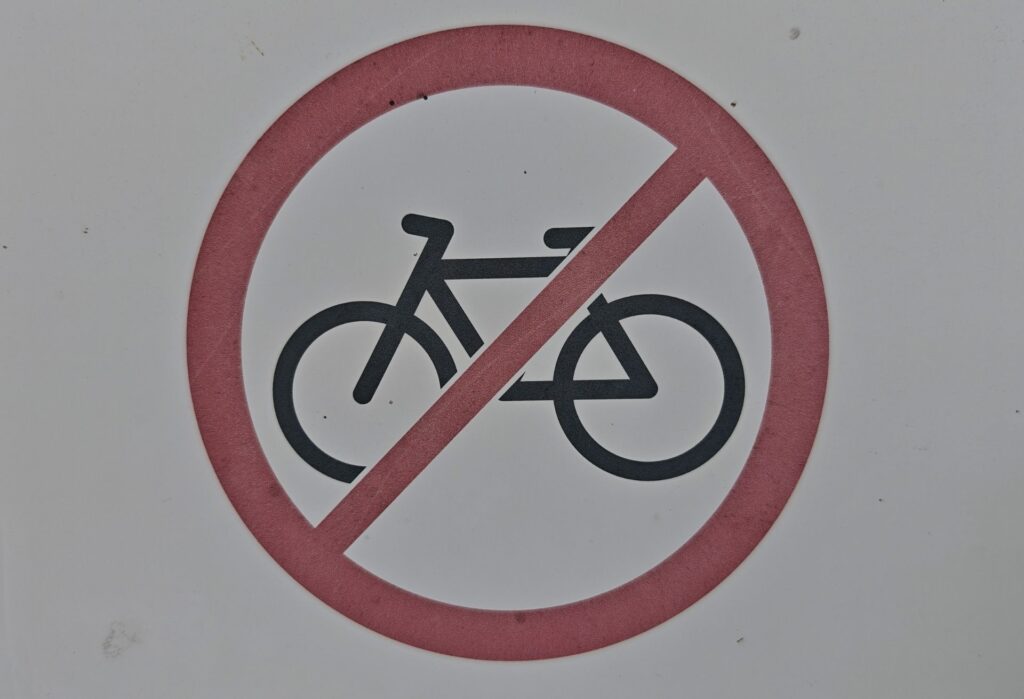
Hazardous and Flammable Materials
Hazardous and flammable materials are among the most common items you cannot store in a storage unit. These substances pose serious risks inside enclosed environments and are therefore prohibited by nearly all storage providers.
Flammable materials are particularly dangerous because they can ignite easily. In a storage facility, where multiple units may contain furniture, cardboard boxes and other combustible materials, even a small fire could spread quickly.
Petrol and diesel are prime examples. Fuel vapours are highly flammable and can ignite from something as simple as static electricity or a spark. Even sealed containers can leak fumes over time, creating dangerous conditions inside a storage unit.
Paint thinner and industrial solvents present similar risks. These chemicals release vapours that can accumulate inside enclosed spaces and may become explosive under certain conditions.
Gas cylinders are another category of prohibited items in self storage. Propane tanks used for barbecues or camping equipment are pressurised containers that can become unstable if exposed to heat or physical damage.
Certain household chemicals are also restricted. Pesticides, fertilisers and cleaning products containing strong chemicals may leak or react with other substances, creating hazardous conditions.
Storage facilities must eliminate these risks to protect both customers and staff. That is why hazardous materials are consistently listed among things not allowed in storage units.
Illegal Items
Another clear category of items you cannot store in a storage unit includes illegal goods. Storage facilities cannot legally allow customers to store items that violate national laws.
Even if the item is simply being stored and not used, the act of possessing illegal goods still breaks the law. Because of this, storage companies enforce strict policies against storing illegal items.
Stolen property is one example. Storage units are sometimes used to hide stolen goods, which can lead to police investigations and legal consequences for the individuals involved.
Controlled substances are another example. Illegal drugs cannot be stored in storage units under any circumstances.
Certain weapons may also fall into this category depending on local regulations. In the UK, many types of firearms and weapons are heavily restricted and cannot legally be stored in general self storage facilities.
Counterfeit products are another example. Businesses sometimes use storage units to keep inventory, but items that violate trademark or copyright laws may be considered illegal goods.
Because storage facilities operate as legitimate commercial businesses, they must cooperate with law enforcement if illegal items are discovered.
This makes illegal goods one of the most strictly enforced categories of prohibited items in self storage.

Perishable Food and Organic Materials
Food and organic materials are another category of things not allowed in storage units in many facilities. While this may seem surprising at first, there are several practical reasons behind this rule.
Perishable food eventually spoils when stored for long periods. This leads to unpleasant smells and potential contamination of nearby belongings.
More importantly, food attracts pests. Rodents, insects and other animals are naturally drawn to food sources. If pests enter a storage facility because of stored food, they may spread into neighbouring units and damage other customers’ belongings.
Even sealed food containers can deteriorate over time. Temperature changes inside storage units may cause packaging to weaken, allowing pests to access the contents.
Organic materials such as plants or soil create similar issues. These items may contain insects, bacteria or moisture that can affect the environment inside the storage unit.
For these reasons, food and organic waste are often included among items you cannot store in a storage unit.
Living Creatures
One of the most straightforward answers when discussing what cannot be stored in a storage unit involves living creatures.
Animals cannot be stored in storage units under any circumstances. Storage units are not designed to support life and do not provide the ventilation, temperature control or care required for animals.
Keeping animals inside a storage unit is dangerous and unethical. Without proper airflow, water and food, animals could quickly suffer severe harm.
This rule also applies to people. Storage units cannot legally be used as living spaces.
They lack the necessary safety features required for habitation, including ventilation, fire safety systems and sanitary facilities.
Using a storage unit as accommodation violates both storage agreements and housing regulations.
For these reasons, living creatures are always included in lists of things not allowed in storage units.
Dangerous or Explosive Items
Explosive materials are another group of items you cannot store in a storage unit. These items present serious risks to both property and human safety.
Fireworks are a common example. While they may be legal to purchase during certain times of the year, storing them inside a storage unit creates a fire hazard.
Ammunition is another item frequently restricted by storage companies. Ammunition is sensitive to heat and pressure and should only be stored in specialised environments.
Industrial explosives and chemical mixtures present even greater risks. If these materials were damaged or exposed to heat, they could cause severe accidents.
Storage facilities must eliminate any risk that could threaten the safety of customers or neighbouring units.
Because of this, explosive materials are firmly categorised as prohibited items in self storage.
Wet or Contaminated Items
Not all items you cannot store in a storage unit are dangerous or illegal. Some items are restricted because they can cause damage to the storage environment.
Wet belongings are a common example. If furniture, carpets or clothing are placed in storage while still damp, the moisture becomes trapped inside the unit.
This creates the perfect conditions for mould and mildew to grow. Once mould develops, it can spread to other items stored nearby.
Mould also produces unpleasant odours that can affect neighbouring units.
Contaminated materials create similar problems. Items that have been exposed to fuel, chemicals or hazardous substances should not be placed in storage until they have been thoroughly cleaned.
Residue from these materials can damage other belongings or create health risks for staff and customers.
For these reasons, damp or contaminated belongings are often included among things not allowed in storage units until they are properly cleaned and dried.
Fire Safety and Chemical Risks in Storage Facilities
One of the biggest reasons behind rules about what cannot be stored in a storage unit is fire safety. Storage facilities often contain hundreds of units positioned close together, filled with everyday items such as furniture, cardboard boxes, clothing and wooden objects. Many of these materials are highly combustible, meaning a small ignition source can quickly escalate into a large fire.
Because of this risk, storage operators must take strict precautions to prevent dangerous materials from entering the facility. Items that produce flammable vapours, generate heat or react chemically with other substances are typically included among items you cannot store in a storage unit.
Petrol and fuel are particularly dangerous because the vapours they release can ignite extremely easily. Even when stored inside sealed containers, fuel fumes can escape slowly and accumulate in enclosed spaces. In an environment such as a storage unit, where ventilation may be limited, this can create a serious fire hazard.
Certain solvents and industrial chemicals present similar dangers. Products such as paint thinner, acetone and strong cleaning agents can release vapours that are not only flammable but also harmful to breathe. If these substances were stored inside units, they could pose health risks to staff and customers entering nearby storage spaces.
Gas cylinders are another example frequently included in lists of things not allowed in storage units. These containers are pressurised and designed for short term use with equipment such as barbecues, heaters or camping stoves. If damaged or exposed to extreme temperatures, gas cylinders may leak or rupture, which could lead to fire or explosion.
Fireworks and explosives present even greater risks. Although they may be legal to purchase in certain situations, storing them inside enclosed facilities dramatically increases the likelihood of accidents. For this reason they are consistently categorised as prohibited items in self storage.
Storage operators must also consider the potential chain reaction that dangerous materials could cause. If one unit contained flammable liquids and a fire started nearby, the resulting flames could intensify rapidly and spread throughout the facility.
This is why the majority of storage unit restrictions in the UK focus heavily on removing fire hazards from storage environments. By preventing dangerous chemicals, fuels and explosives from entering the facility, storage companies dramatically reduce the likelihood of serious incidents.
For customers, understanding these risks makes it easier to see why certain items are restricted. Storage units are designed to keep everyday belongings safe, but they must remain free from materials that could threaten the safety of the entire site.
Container Storage vs Indoor Storage Unit Restrictions
Another question people often ask when researching what cannot be stored in a storage unit is whether the rules are different for container storage compared to indoor units. While the basic restrictions are usually very similar, there are a few practical differences between the two types of storage.
Indoor storage units are typically located within large buildings containing corridors and multiple floors of storage rooms. Because these facilities share ventilation systems and structural spaces, any hazardous material stored inside one unit could quickly affect the rest of the building.
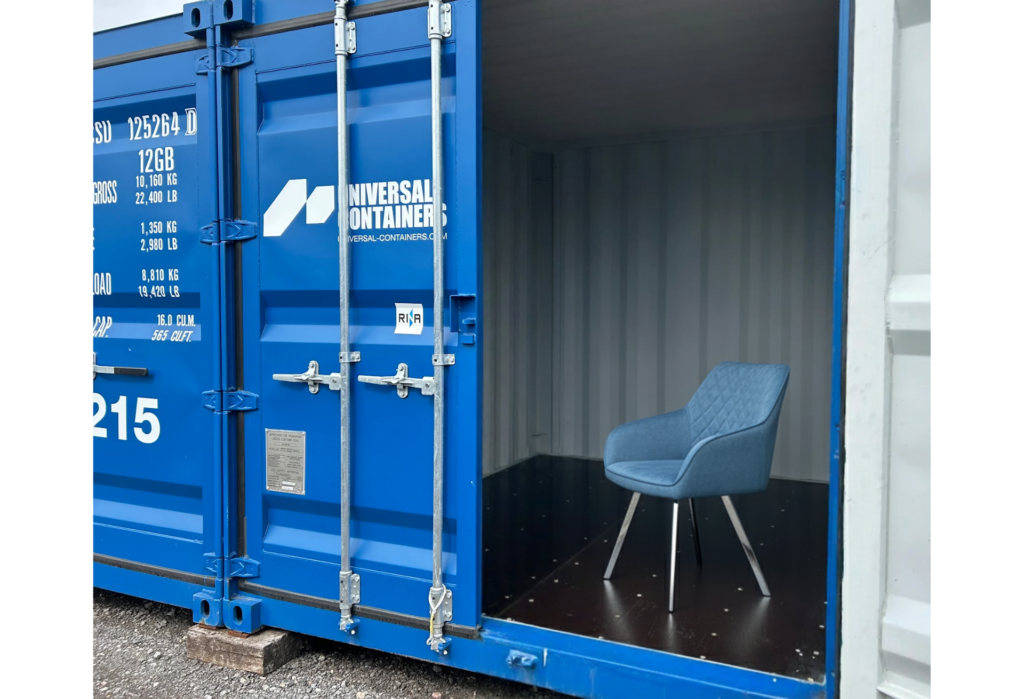
Container storage units, on the other hand, are usually individual steel containers located outdoors. Each container operates as a separate enclosed space with its own access doors. This design can reduce certain risks because the units are physically separated from one another.
Despite this structural difference, the same core rules still apply. Hazardous chemicals, flammable liquids, explosives and illegal goods remain firmly listed among items you cannot store in a storage unit, whether the unit is located indoors or outdoors.
Food and organic materials are also usually restricted in container storage units for the same reasons they are prohibited in indoor facilities. Spoiling food can attract pests, which may damage multiple units across the site.
Where container storage can offer advantages is in the storage of larger household items or business equipment. The ability to drive directly up to the container makes it easier to load furniture, machinery and tools safely.
This makes container storage particularly popular for house moves, home renovations and business inventory storage.
However, even with these benefits, customers must still follow the same fundamental guidelines about what can and cannot be stored in a storage unit.
Understanding these rules helps ensure your belongings remain safe while protecting the facility and other customers’ possessions.
By choosing a reputable storage provider and following their guidance, you can make full use of storage space while avoiding the risks associated with things not allowed in storage units.
UK Storage Unit Regulations and Insurance Policies
When people research what cannot be stored in a storage unit, they often assume the rules come only from individual storage companies. In reality, many restrictions are influenced by UK regulations and insurance requirements that apply to the entire self storage industry.
Storage facilities operate under strict health and safety guidelines designed to protect both the public and the businesses themselves. These regulations cover everything from fire prevention to environmental protection. Because storage sites often contain large numbers of units and valuable belongings, regulators require operators to maintain safe conditions at all times.
Insurance policies are another major factor shaping storage unit restrictions in the UK. Storage operators typically maintain commercial insurance policies that cover damage, theft and liability within the facility. However, those policies are written with the expectation that only standard household or business items will be stored.
If hazardous materials were permitted inside units, insurers would face far greater risks. For example, a fire caused by petrol or chemicals could destroy dozens of units at once. Because of this, most insurance policies specifically exclude dangerous substances.
This is why storage companies include detailed lists of prohibited items in self storage within their rental agreements. These rules are not simply suggestions. They are often legally binding conditions of the contract between the customer and the facility.
Customers who ignore these rules may risk losing their rental agreement, facing financial penalties or even being reported to authorities if illegal items are involved.
Understanding these industry rules helps customers appreciate why certain items you cannot store in a storage unit are consistently prohibited across the UK.

Common Mistakes People Make When Using Storage Units
Many people only discover what cannot be stored in a storage unit after they have already started packing their belongings. This can lead to mistakes that create safety risks or damage stored items.
One common mistake involves storing fuel powered equipment without proper preparation. For example, lawn mowers or petrol powered tools often contain small amounts of fuel inside the tank. If these machines are placed directly into storage without draining the fuel, they technically contain a flammable substance.
Another mistake is storing damp items after moving house. During a move, furniture or boxes may be exposed to rain or moisture. Placing these items directly into storage without allowing them to dry completely can lead to mould growth.
Some people also assume sealed containers make food safe to store long term. In reality, even sealed food packaging can eventually degrade or attract pests.
Improper packaging is another issue. Fragile items such as glassware or electronics may be placed in storage without protective materials, increasing the risk of damage.
These mistakes highlight why it is important to fully understand what can and cannot be stored in a storage unit before moving items into storage.
Valuable Items That May Require Special Storage
Some belongings are not necessarily prohibited but may still be unsuitable for standard storage units.
High value items such as jewellery, precious metals and large amounts of cash are examples. While storage facilities often provide strong security measures, they are not designed to function as bank vaults.
Important documents may also require special protection. Passports, legal contracts, property deeds and birth certificates are irreplaceable documents that many people prefer to keep in fireproof safes or secure document storage services.
Artwork and antiques can present similar challenges. These items may require climate controlled environments to prevent deterioration.
This does not mean such items are automatically banned. However, they are sometimes included in guidance about things not allowed in storage units because they may require more specialised protection.
Customers should always check with their storage provider if they plan to store particularly valuable or sensitive items.
What Can Be Stored in a Storage Unit
After learning about what cannot be stored in a storage unit, many people realise that most everyday belongings are perfectly suitable for storage.
Furniture is one of the most common categories. Sofas, wardrobes, dining tables and beds can be stored safely for long periods when protected with covers or wrapping materials.
Household belongings are another popular category. Boxes containing books, clothing, decorations and kitchen items are ideal for storage during house moves or renovations.
Seasonal items are also commonly stored. Garden furniture, bicycles, camping equipment and Christmas decorations often take up space at home but can easily be stored until needed.
Business storage has become increasingly common as well. Small businesses frequently use storage units for stock, marketing materials, tools and equipment.
Tradespeople sometimes store tools and machinery inside container units because they provide convenient drive up access.
Students and renters also use storage when moving between properties or travelling for extended periods.
When used correctly, storage units provide flexible and secure space for a wide variety of belongings.
How to Prepare Items Properly for Storage
Preparing items correctly before placing them into storage can make a significant difference to their condition over time.
The first step is cleaning. Furniture and appliances should be cleaned thoroughly to remove dust, dirt and food residue before being stored.
Drying is equally important. Any moisture trapped inside fabrics, wood or cardboard boxes can lead to mould or unpleasant odours.
Protective materials also help preserve belongings. Furniture covers, bubble wrap and strong cardboard boxes reduce the risk of damage during storage.
Organisation within the unit is another key factor. Heavier items should be placed at the bottom while lighter boxes can be stacked on top.
Leaving small walkways between boxes allows easier access to stored belongings and improves airflow within the unit.
Labelling boxes clearly also saves time when retrieving items later.
Following these preparation steps ensures belongings remain protected throughout the storage period.
Frequently Asked Questions
What cannot be stored in a storage unit?
Items that cannot be stored in a storage unit usually include hazardous chemicals, flammable materials, explosives, illegal goods, perishable food and living creatures. These restrictions exist to protect safety, comply with legal regulations and prevent damage to other customers’ belongings.
Can food be stored in a storage unit?
Food is generally not allowed in storage units because it can spoil and attract pests. Rodents and insects may enter the facility if food is present, which can affect multiple units.
Can petrol be stored in a storage unit?
Petrol cannot be stored in a storage unit because it is highly flammable. Fuel vapours can ignite easily and create serious fire risks inside enclosed spaces.
Can you store paint in a storage unit?
Some types of paint may be allowed if they are sealed and stored safely, but solvent based paints or paint thinner are usually prohibited because they can release flammable vapours.
What happens if you store prohibited items?
If prohibited items are discovered inside a storage unit, the storage company may require immediate removal and may terminate the rental agreement. In serious cases involving illegal goods or dangerous materials, authorities may become involved.
Are storage unit restrictions the same everywhere?
Storage rules can vary slightly between facilities, but most providers follow similar safety guidelines. Hazardous materials, illegal goods and perishable items are almost always included among items you cannot store in a storage unit.
Safe and Secure Storage in Doncaster
For residents and businesses in South Yorkshire looking for reliable storage space, choosing the right facility makes a significant difference. A professional storage provider will clearly explain what can and cannot be stored in a storage unit while offering safe space for everyday belongings.
Blue Box Storage provides secure container storage in Doncaster designed for household and business storage needs. The site allows convenient vehicle access so customers can load and unload belongings directly into their units.
Security is a priority. The facility includes secure gated access and CCTV monitoring to help protect stored items.
Container storage units are particularly useful for furniture storage, moving house, seasonal equipment or business inventory. Their weather resistant design makes them suitable for both short term and long term storage.
Customers who understand storage unit restrictions in the UK can use these units confidently, knowing their belongings are stored safely and responsibly.
Conclusion
Understanding what cannot be stored in a storage unit is essential before placing any belongings into storage. These rules exist to protect customers, staff and the storage facility itself.
Hazardous chemicals, flammable materials, illegal goods, explosives, perishable food and living creatures are among the most common items you cannot store in a storage unit. Restrictions on these items help maintain safe conditions across the facility.
Fortunately, the majority of household belongings, furniture and business equipment are perfectly suitable for storage when packed correctly.
If you are looking for secure and convenient storage in South Yorkshire, Blue Box Storage offers container storage in Doncaster designed to keep your belongings safe and accessible. Visit the Blue Box Storage website to learn more about available units and find the right storage solution for your needs.

About the author:
Harry Merrett
Director of Blue Box Storage Doncaster
He is the Director of Blue Box Storage Doncaster and has helped hundreds of Doncaster residents safely store belongings in one of the highest rated outdoor self storage facilities in Doncaster on Google. He has ensured Blue Box Storage remains accredited with the Self Storage Association and a Platinum Accreditation with the CaSSOA.
Follow Harry on LinkedIn here.
Get in touch to secure your storage
Recent Posts
How To Organise Clothes In Your Wardrobe: Practical Tips For A Tidier Home
If you've ever stood in front of a wardrobe full of clothes and still felt like you had nothing to wear, you're certainly not alone. An overcrowded wardrobe can make getting dressed feel frustrating, waste valuable time each morning and even lead to buying clothes you already own because you simply can't find them. Learning […]
Vehicle Storage Solutions: How To Keep Your Vehicle Safe When It's Not In Use
Whether you're moving house, heading overseas for work, making room on the driveway or protecting a cherished classic car, finding the right vehicle storage solutions can make life much easier. Leaving a vehicle unused for weeks or months is rarely as simple as parking it up and walking away. Batteries lose charge, tyres can develop […]
How To Protect Furniture During A Home Renovation
Home renovations are exciting. New kitchens, larger living spaces, loft conversions and home extensions can dramatically improve how a property looks and functions. The problem is that most homeowners focus heavily on the finished result and underestimate the disruption that happens during the building process itself. Dust, debris, moisture, accidental knocks and constant foot traffic […]
Our Accreditations

Visit us
Unit 1 Sandall Business Park, Sandall Stones Road, Kirk Sandall, Doncaster DN3 1RW
Phone
01302 593593
Email
[email protected]
© Copyright 2024 Blue Box Storage. All rights reserved.
Sitemap