
A well-organised kitchen makes everyday life noticeably easier. Whether you're preparing family meals, grabbing breakfast before work or trying to keep on top of the washing up, knowing exactly where everything belongs saves time, reduces stress and makes the room far more enjoyable to use. Learning how to organise a kitchen isn't about buying expensive […]
How Long Can You Keep Furniture in Storage?

I hope you enjoy reading this blog post. If you'd like to learn more about our storage solutions click here.
Author: Harry Merrett | Director of Blue Box Storage Doncaster
Published:
November 4, 2024
Storing furniture can be incredibly helpful during moves, home renovations, or periods of downsizing. However, many people wonder how long furniture can last in storage without damage. The good news is that with the right preparation, you can keep furniture in storage for extended periods, sometimes even indefinitely. This blog answers the question how long can you keep furniture in storage and explores the factors that affect the longevity of stored furniture, tips for proper preparation, and what to consider based on the type of furniture you’re storing.
Table of Contents
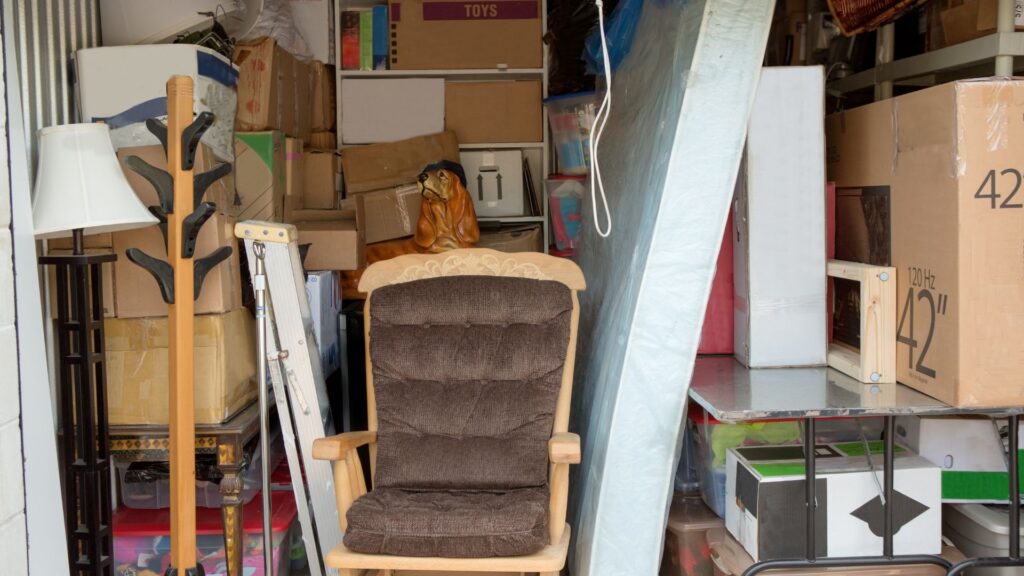
Types of Furniture and How They Fare in Storage
Different materials require different storage methods to maintain their quality. Here’s a look at how various types of furniture hold up over time in storage:
1. Wooden Furniture
- Longevity: Wooden furniture can last for years in storage if properly protected.
- Storage Tips: Wood is sensitive to moisture, which can lead to warping or cracking over time. It’s essential to ensure wood is kept in a dry environment. Wrapping wood in fabric or using furniture covers can prevent dust build-up and scratches.
- What to Avoid: Don’t wrap wood directly in plastic, as it can trap moisture and cause mould. Instead, use breathable materials to allow airflow.
2. Upholstered Furniture
- Longevity: Upholstered furniture, like sofas and armchairs, can hold up well for months to a few years in storage if stored correctly.
- Storage Tips: Upholstered items are prone to dust and dirt accumulation, so they should be fully covered. Use protective coverings like furniture blankets or sheets to shield the fabric from dust while allowing some airflow.
- What to Avoid: Avoid leaving upholstery unprotected, as it can attract dust and pests, potentially damaging the fabric over time.
3. Metal Furniture
- Longevity: Metal furniture can last a long time in storage as long as it’s kept dry.
- Storage Tips: Metal is durable but can rust if exposed to moisture. Applying a light coat of oil to metal surfaces can help protect against rust. Covering the furniture with fabric or a protective sheet also helps to keep dust off.
- What to Avoid: Direct contact with moisture, which can lead to rust. Avoid plastic wraps, as they can trap moisture against metal surfaces.
4. Leather Furniture
- Longevity: Leather can last in storage for several months to a few years with the right preparation.
- Storage Tips: Leather requires conditioning to keep it from drying out and cracking over time. Before storing leather items, clean and apply a leather conditioner to protect the material. Cover the furniture with a breathable fabric to keep dust off while allowing some airflow.
- What to Avoid: Avoid storing leather in plastic, as it can trap moisture and cause mould. Also, avoid placing leather near items that could scratch or damage it.
5. Antiques and Heirloom Furniture
- Longevity: Antique or heirloom pieces can be stored for years if carefully prepared.
- Storage Tips: Antiques require extra care due to their age and value. Wrap delicate or intricate parts with padding, and ensure they are stored away from items that could bump or damage them.
- What to Avoid: Avoid storing antique furniture in direct contact with hard surfaces to prevent scratches or dents.
Factors Affecting How Long You Can Keep Furniture in Storage
The longevity of furniture in storage and how long can you keep furniture in storage largely depends on a few key factors. Proper preparation and storage conditions can make a significant difference in how well furniture holds up over time.
1. Storage Environment
- It’s crucial to keep furniture in a clean, dry environment. Dust and dirt can accumulate over time, while moisture and temperature fluctuations can cause warping or mould growth. Ensuring the area is dry and dust-free will help maintain furniture quality for longer periods.
2. Preparation and Packing
- Preparing furniture for storage is essential to maximise its lifespan. Cleaning, treating, and carefully packing each piece can help prevent damage. For example, wooden furniture should be cleaned and treated with wood polish before being stored, and fabric should be covered to keep it clean and fresh.
3. Furniture Material
- The type of material also affects how long furniture can last in storage. Wood, leather, metal, and upholstery each require different care techniques to ensure they remain in good condition. Generally, natural materials like wood and leather need more attention than synthetic materials.
Tips for Preparing Furniture for Long-Term Storage
Properly preparing your furniture for storage can help it last for years without damage. Here’s a guide to getting your items storage-ready:
- Clean and Treat
- Clean each piece thoroughly. For upholstered furniture, vacuum to remove dust and dirt. For wood, dust and polish, and for leather, apply a conditioner to keep it from drying out.
- Disassemble Large Pieces
- Taking apart large furniture like beds, tables, and cabinets can save space and reduce the risk of structural damage. Keep screws and small parts in labelled bags to make reassembly easy.
- Use Breathable Covers
- Cover each item with a breathable material like a furniture cover, blanket, or sheet. Avoid plastic covers, which can trap moisture and lead to mould or mildew. Breathable covers keep dust off while allowing air to circulate.
- Wrap Fragile or Delicate Items
- Wrap glass surfaces, mirrors, or delicate wood finishes with padding or bubble wrap to prevent scratches or damage. Consider placing a layer of protective cardboard over fragile areas before covering them.
- Elevate Items Off the Floor
- Keep furniture off the ground if possible by using pallets or placing items on blocks. This helps prevent damage from potential moisture on the floor and deters pests.
Potential Issues with Long-Term Furniture Storage and How to Avoid Them
While most furniture can last well in storage with proper preparation, certain issues can arise if precautions aren’t taken. Here are a few common problems and tips on how to prevent them:
- Pests: Wood and upholstered furniture can attract pests. Keeping furniture clean and in a pest-free storage area helps prevent this.
- Dust and Dirt Accumulation: Dust can damage fabric and wood surfaces over time. Covering items with dust-proof material prevents dust build-up and helps keep items clean.
- Wear and Tear: Prolonged storage can sometimes lead to minor wear, such as fading colours or loosening joints. Checking stored items periodically can help you identify and address any early signs of wear.
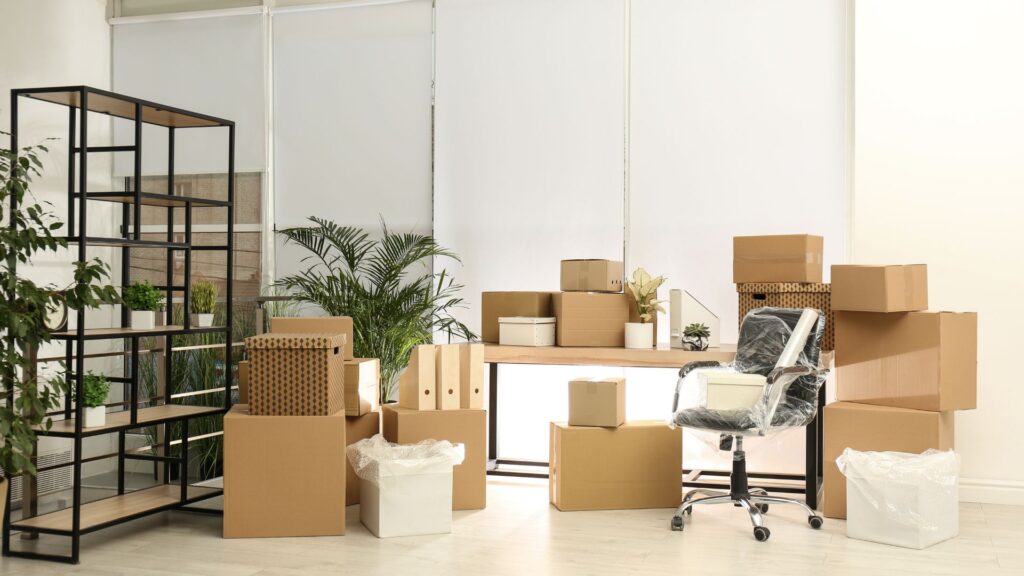
How Long Can You Keep Furniture in Storage?
The answer to how long can you keep furniture in storage varies based on the type of furniture, preparation, and storage environment. Here’s a general guideline:
- Wooden Furniture: With proper care, wood can remain in storage for years.
- Upholstered Furniture: Can last months to years if covered and protected.
- Metal Furniture: Long-lasting if protected from moisture.
- Leather Furniture: Safe for several months to years if conditioned.
- Antiques and Heirlooms: With extra care, these can last indefinitely.
Looking To Store Your Furniture?
With the right preparation and protection, you can safely keep furniture in storage for extended periods. Whether you’re storing pieces temporarily or for the long term, taking time to clean, cover, and organise your items will help them stay in excellent condition.
If you’re considering secure, container, self-storage, reach out today for expert advice on preparing and protecting your furniture, so you can store with confidence knowing your belongings are safe and sound.

About the author:
Harry Merrett
Director of Blue Box Storage Doncaster
He is the Director of Blue Box Storage Doncaster and has helped hundreds of Doncaster residents safely store belongings in one of the highest rated outdoor self storage facilities in Doncaster on Google. He has ensured Blue Box Storage remains accredited with the Self Storage Association and a Platinum Accreditation with the CaSSOA.
Follow Harry on LinkedIn here.
Get in touch to secure your storage
Recent Posts
How To Organise Clothes In Your Wardrobe: Practical Tips For A Tidier Home
If you've ever stood in front of a wardrobe full of clothes and still felt like you had nothing to wear, you're certainly not alone. An overcrowded wardrobe can make getting dressed feel frustrating, waste valuable time each morning and even lead to buying clothes you already own because you simply can't find them. Learning […]
Vehicle Storage Solutions: How To Keep Your Vehicle Safe When It's Not In Use
Whether you're moving house, heading overseas for work, making room on the driveway or protecting a cherished classic car, finding the right vehicle storage solutions can make life much easier. Leaving a vehicle unused for weeks or months is rarely as simple as parking it up and walking away. Batteries lose charge, tyres can develop […]
How To Protect Furniture During A Home Renovation
Home renovations are exciting. New kitchens, larger living spaces, loft conversions and home extensions can dramatically improve how a property looks and functions. The problem is that most homeowners focus heavily on the finished result and underestimate the disruption that happens during the building process itself. Dust, debris, moisture, accidental knocks and constant foot traffic […]
Our Accreditations

Visit us
Unit 1 Sandall Business Park, Sandall Stones Road, Kirk Sandall, Doncaster DN3 1RW
Phone
01302 593593
Email
[email protected]
© Copyright 2024 Blue Box Storage. All rights reserved.
Sitemap